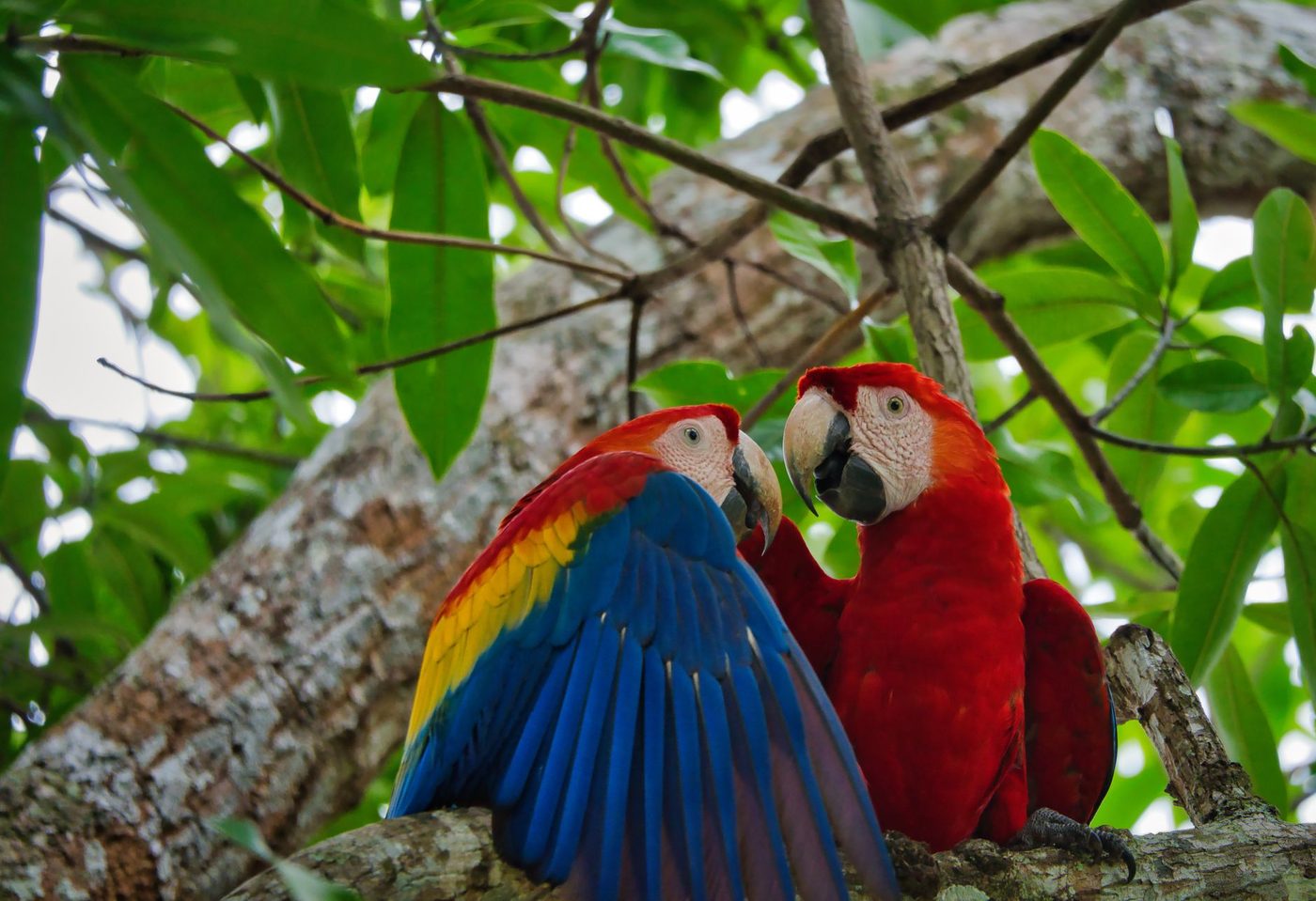
Understanding the Market: Costa Rica Real Estate Trends in 2026
A grounded look at demand, prices, and buying smart on the Guanacaste coast.
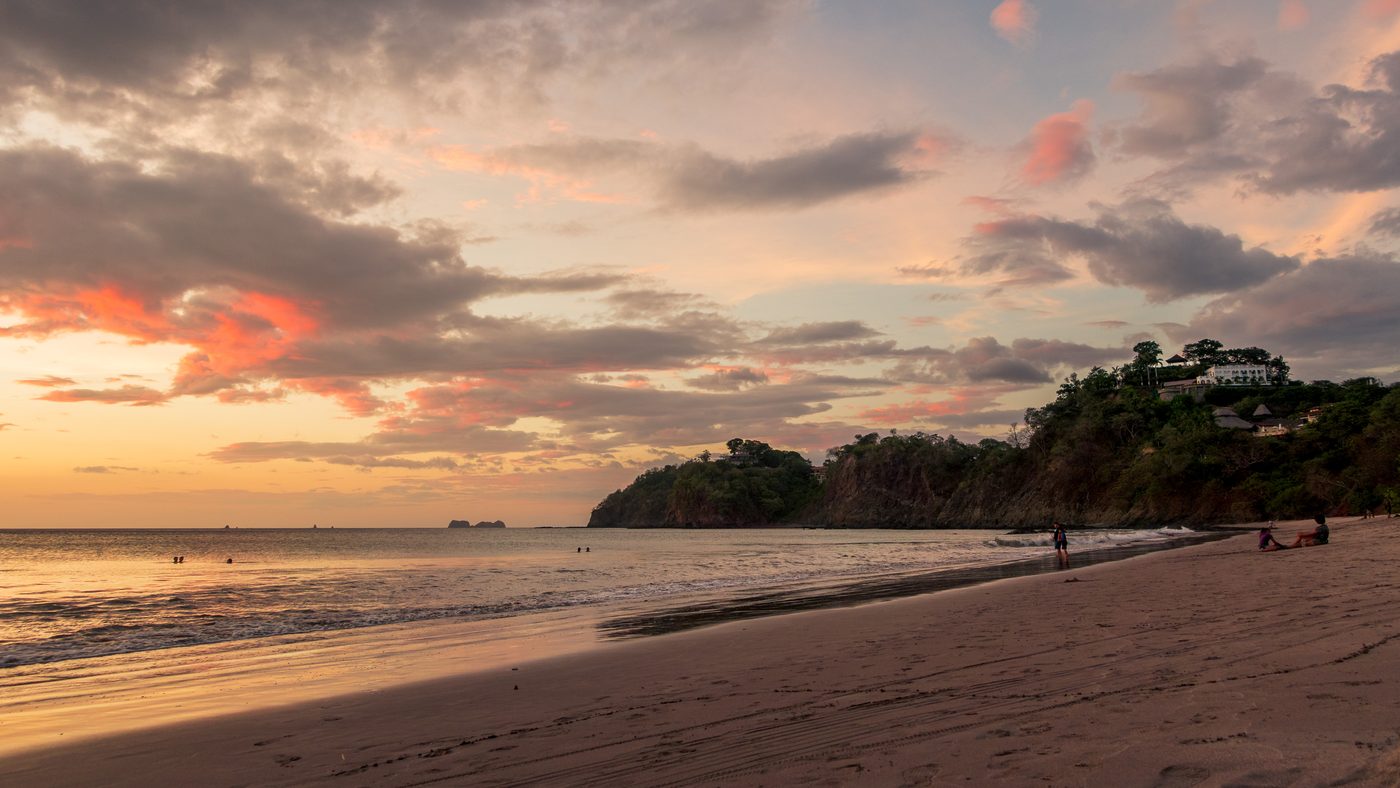
The Costa Rica real estate market in 2026 is steady rather than frantic. Demand still concentrates on the Guanacaste coast, supported by record tourism and the airport in Liberia, while buyers have regained some negotiating room. Foreigners keep the same ownership rights as locals on titled property, so the fundamentals that drew investors here have not changed.
We first published this post in 2024, and enough has changed that it deserved a full rewrite. We sell homes and manage 60+ vacation rentals in Playas del Coco and Ocotal, so what follows is what we see on the ground, not a forecast copied from a press release. Where a number matters, we point to a source. Where nobody has a reliable number (and in Costa Rica that happens more than you might think), we say so.
What is driving demand on the Guanacaste coast?
Tourism is the engine. Costa Rica recorded roughly 2.9 million international tourist arrivals in 2024, its strongest year on record, and the Costa Rican Tourism Institute (ICT) publishes the arrival statistics if you want to dig into the details. A large share of those visitors lands in Liberia and heads straight for the beaches of Guanacaste. Every full flight feeds two markets at once: vacation rental demand today, and future buyers who fall in love with the area on a holiday.
Two other drivers matter. Remote work is now a permanent feature, and tourists from most countries can stay up to 180 days per entry, which we covered in our post on Costa Rica's 180-day tourist stay. That lets people test-drive life here for a full season before committing to Costa Rica real estate. And the buyer pool has broadened: alongside the traditional retirees from the US and Canada, we now see younger families and working professionals shopping for homes that double as rental assets.
Are prices still rising in 2026?
Here is the honest answer about Costa Rica real estate prices: the country has no national MLS and no official residential price index, so any headline like "prices up X percent this year" is marketing, not measurement. Our own 2024 version of this post predicted 5 to 7 percent appreciation. We are removing that kind of claim, because nobody can verify it.
What we can tell you is what we watch every week in Coco and Ocotal:
- Well-priced, turnkey condos with a documented rental history still sell quickly. This is the most liquid segment of the market.
- Ambitious asking prices sit. The frenzy of 2021 and 2022 is over, and buyers negotiate again. Realistic sellers close; optimistic ones wait.
- Ocean-view homes and buildable lots close to town remain genuinely scarce. Scarcity, not hype, is what supports values in those segments.
- New construction keeps arriving, mostly small condo projects and custom homes, which gives buyers more choice than they had three years ago.
If you want to know what a specific property is worth, comparable sales and rental performance beat any national trend line. That is exactly what a proper valuation looks at.

What do foreign buyers need to know about ownership?
For titled (fee simple) property, foreigners have the same ownership rights as Costa Rican citizens. You do not need residency, a local partner, or citizenship to hold title. Most homes and condos in Playas del Coco and Ocotal are titled property.
The big exception is beachfront land. Most of the strip closest to the high-tide line falls under the maritime zone, where you generally hold a government concession rather than full title, with different rules for foreigners. Before you fall for a lot near the sand, read our explainer on concession vs. titled properties.
The buying process itself is notary-driven and runs on due diligence: title search, survey check, water availability, and a clean transfer through escrow. None of it is complicated with the right team, but corners cut here are expensive later. We wrote about why a good lawyer is essential, and we stand by every word.
How do residency rules affect the market?
You do not need residency to buy property, and plenty of our clients own here for years on tourist entries. But residency programs still shape demand. Costa Rica offers an investor (inversionista) category that current guides such as CRIE list at a minimum investment of US$150,000, which can include real estate. Pensionado and rentista categories serve retirees and people with steady outside income.
One caution: the law that lowered the investor threshold was written with time limits, and immigration rules in Costa Rica change more often than the marketing pages that quote them. Confirm the current thresholds and requirements with a licensed immigration attorney before you build a plan around them. We are happy to refer you to attorneys our clients have used; we do not give legal advice ourselves.
Where do we see value right now?
Our market is Playas del Coco and Ocotal, so that is what we will speak to. Coco is a working beach town with a real main street, real neighbors, and real infrastructure, which is exactly why rentals perform here year-round rather than only in peak weeks. It is not a manicured resort enclave, and if that is what you want, this is not your town.
Segments we think deserve a close look in 2026:
- Condos in established communities with proven rental operations. They are easy to own remotely, and the homeowners association handles the heavy maintenance.
- Homes within walking distance of town. The pool of guests and future buyers who do not want to rent a car keeps growing.
- Ocotal hillside properties with ocean views. Quieter than Coco, five minutes away, and view inventory is limited by geography.
Tradeoffs, because there are always tradeoffs: the dry season turns Guanacaste brown and hot from February through April, high season brings traffic to the beach road, and for raw land you must verify water availability before anything else. In our portfolio, high season books up months in advance while green season needs sharper pricing. Ask us for current numbers on any property you are considering; we would rather show you real data than quote an average.
How should you approach buying in this market?
Start with your use case for Costa Rica real estate: personal home, pure rental investment, or the hybrid most of our buyers want. That decision drives location, property type, and how much rental history should matter to you. Then insist on grounded numbers. If someone quotes you projected rental income, ask what comparable properties actually earned, and be suspicious of anyone who will not show you.
Finally, build your team before you fall in love with a listing: a broker who lives in the market, an independent attorney, and an escrow company. We are SUGEF registered, we live in Coco, and we manage the kind of rentals many of our buyers end up owning, so we see both sides of the transaction.
If you are ready to look, browse our current properties for sale, or send us a message on WhatsApp and tell us what you are trying to do. We will give you a straight answer, even when the straight answer is "wait".
Frequently asked questions
Is Costa Rica real estate a good investment in 2026?
It can be, if you buy realistically. Tourism set a record with roughly 2.9 million arrivals in 2024, rental demand in Guanacaste is genuine, and foreigners hold full title. But there is no official price index, so ignore appreciation promises and judge each property on comparable sales and documented rental history.
Can foreigners own property in Costa Rica?
Yes. Foreigners have the same ownership rights as Costa Rican citizens for titled property, with no residency requirement. The main exception is beachfront land in the maritime zone, which is usually held under government concession with extra rules. Always run a full title search with an independent attorney before closing.
Do I need residency to buy a home in Costa Rica?
No. You can buy, own, and sell property as a tourist. Many owners simply visit on tourist entries of up to 180 days. If you want residency, an investor category exists with a minimum investment that guides currently list at US$150,000; confirm the exact rules with a licensed immigration attorney.
Cover photo: Shiva Shenoy from Flower Mound, United States, CC BY 2.0, via Openverse · Photo: kitmasterbloke, CC BY 2.0, via Openverse