Walkability in Playas del Coco: Living Without a Car
What daily life on foot looks like in Coco, and what skipping a car really saves you.
Yes, Playas del Coco is walkable. It is one of the few Guanacaste beach towns where living without a car actually works: a flat, compact center, one main street lined with supermarkets, banks, and pharmacies, and a beachfront boardwalk. Most daily errands happen on foot. A car helps for regional trips, but it is optional.
How walkable is Playas del Coco, really?
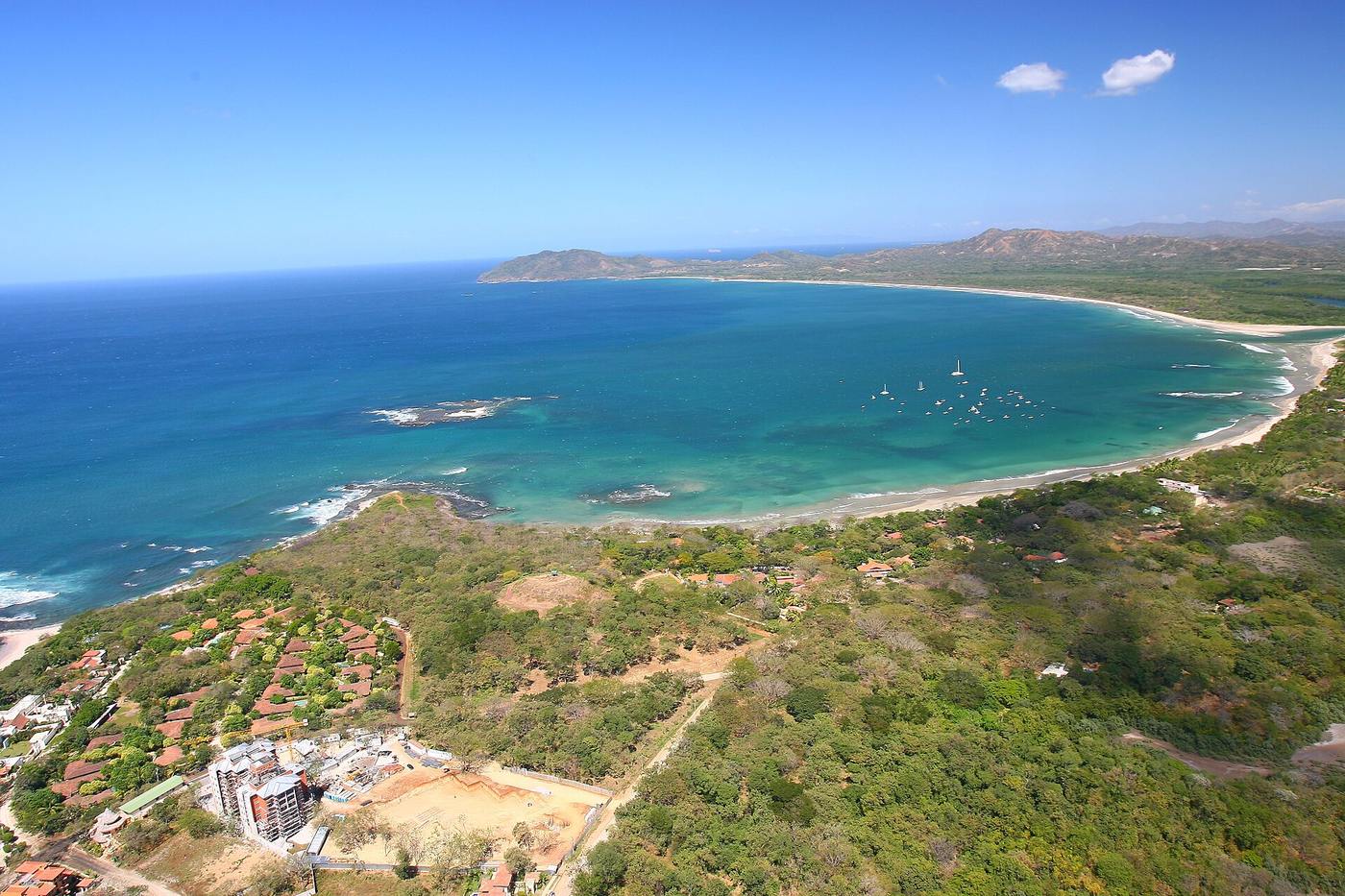
The town has a simple, linear layout. Route 151 comes down from Sardinal, turns into the main street, and ends near the beach and the little park at the center of town. Almost everything commercial sits along that street or within a block or two of it, and the whole core is flat. No hills, no highway to cross, no long gaps between the things you need.
That layout matters more than it sounds. Plenty of Costa Rican beach towns are strung out along a road for several kilometers, so "in town" can still mean a 40 minute walk in the sun. Coco is dense by comparison. We manage around 40 vacation rentals here and in neighboring Ocotal, and a meaningful share of our guests never rent a car at all. Some of our long term owners went years before buying one. That is rare on this coast, and it is one of the quiet reasons people choose Coco over prettier but more spread out beaches. We wrote more about that tradeoff in what makes Playas del Coco different from other Guanacaste beach towns.
What can you reach on foot in town?
More than most first time visitors expect. Within the walkable core you have:
- Groceries: Auto Mercado (the high end supermarket at the Pacifico plaza near the town entrance), plus Maxi Pali and Super Compro for everyday prices.
- Money and paperwork: bank branches with ATMs, pharmacies, and hardware stores along the main street.
- Health care: the public Ebais clinic plus private options in town, with full hospitals in Liberia about half an hour away.
- Food and social life: dozens of restaurants, sodas, and bars, most of them on or just off the main street, plus a Sunday farmers market.
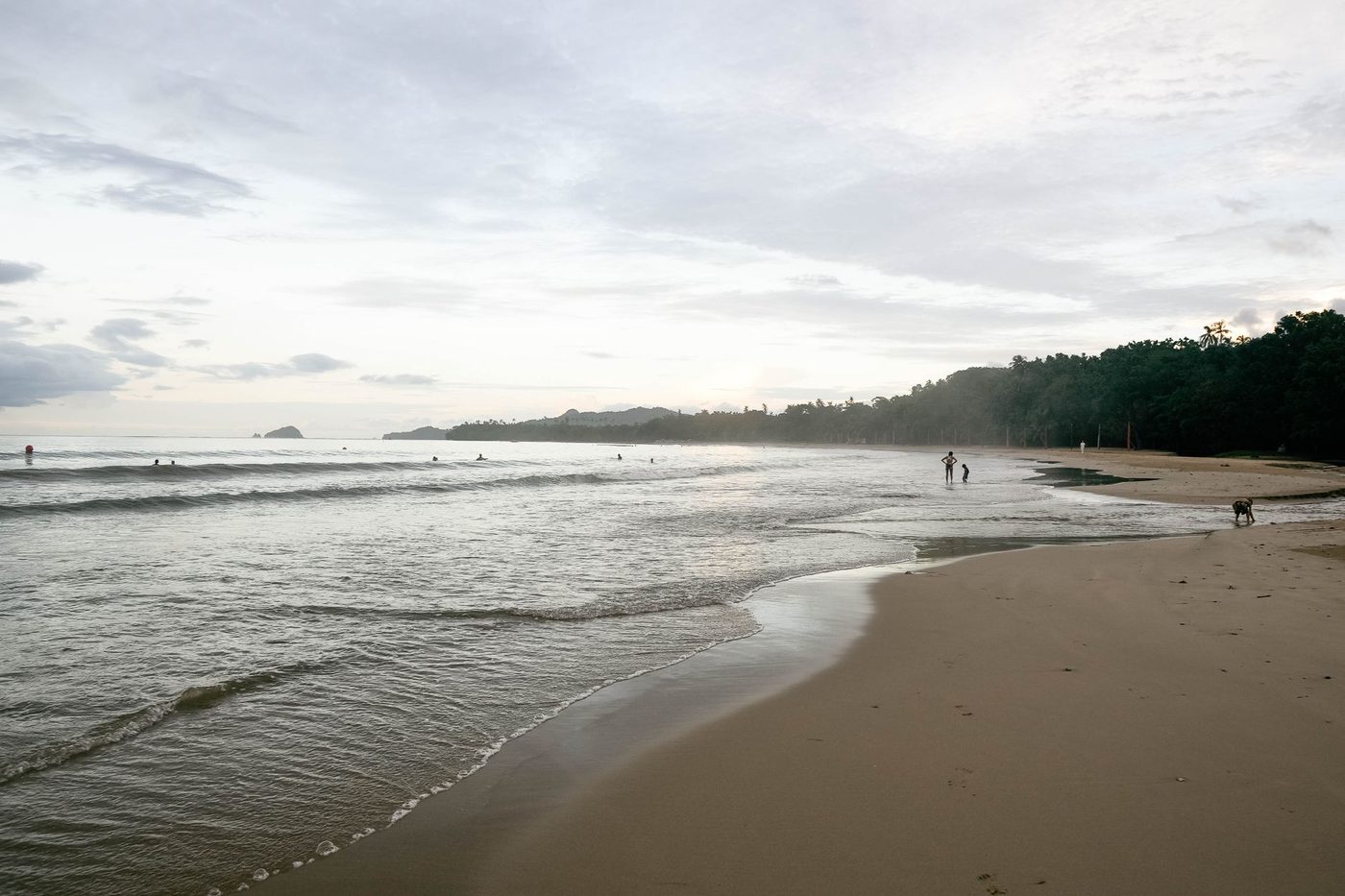
- The beach itself: a long boardwalk with small parks, playgrounds, and basketball courts, where locals walk dogs and gather for sunset.
That last point deserves emphasis. The boardwalk is the social spine of the town. If you live near the center, an evening walk along the water replaces the car errand culture many North Americans arrive with, and it costs nothing.
Where should you live if you want to walk everywhere?
Location inside Coco matters more than in a car town. Our honest map, from most to least walkable:
- Downtown condos: communities like Tucanes, Sweet Dreams, and other developments near the main street put the beach, restaurants, and groceries within an easy flat walk.
- Las Palmas: a gated community a short, flat walk from both the main street and the beach. It is one of the most requested walk-to-town options we manage.
- Pacifico: resort style amenities next to the Auto Mercado plaza at the town entrance. Shopping is at your doorstep; the walk to the beach is longer but still doable.
- The hillsides and Ocotal: Coco Bay Estates and the Ocotal ridge deliver the ocean views, but they are not walking neighborhoods. If you buy up there, plan on wheels of some kind.
This is a case where we would rather lose a quick sale than put a no-car buyer in a hillside home. Tell us how you actually plan to live and we will point you at the right zone. You can browse the areas we cover on our Playas del Coco location guide.
What are the honest downsides of walking in Coco?
A few, and they are real. First, heat. Guanacaste is the hottest, driest province in the country, and the sun between roughly 10 a.m. and 3 p.m. is intense most of the year. Locals walk early and late for a reason, and you will learn to do the same. Second, rain timing. In green season (roughly May through November) afternoon downpours can be heavy, so errands shift to mornings. Third, infrastructure. Sidewalks are decent along the renovated main street but patchy on the side streets, and street lighting fades quickly once you leave the center. None of this makes the town unwalkable. It does mean walking here is a rhythm you adapt to, not a copy of a North American suburb with palm trees.
How do you get around without driving?
For everything beyond your feet, Coco has more options than most towns its size:
- Uber and taxis: Uber works in town, and official red taxis line up near the park.
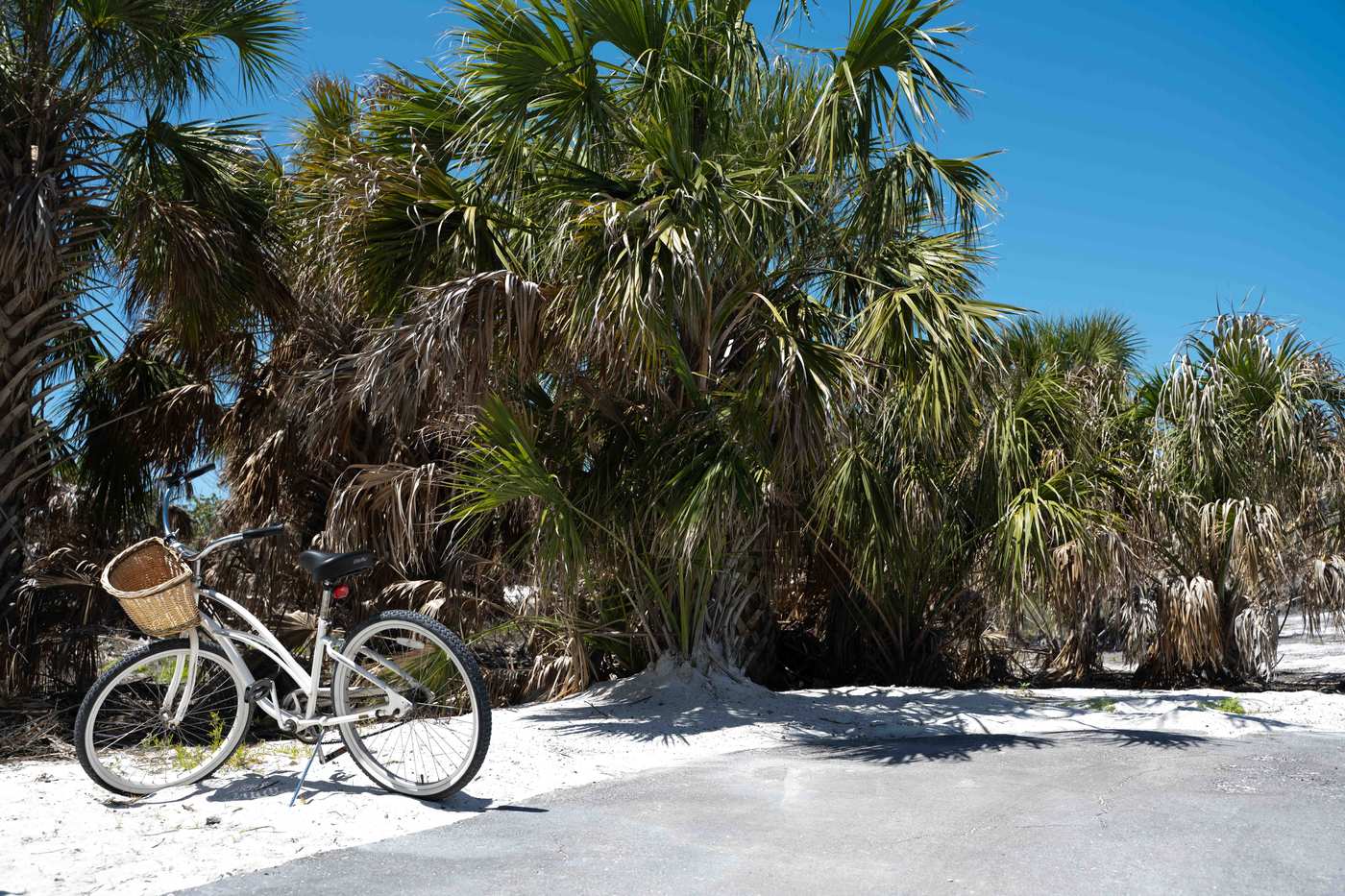
- Rentals by the day: golf carts, e-bikes, and scooters are all available in town and cover Ocotal or Hermosa runs nicely.
- The bus: the Pulmitan bus connects Coco with Liberia throughout the day, roughly every 45 minutes from early morning to evening. The ride takes about an hour and the fare is pocket change; check the current schedule locally.
- Airport runs: Guanacaste Airport (LIR) is only about 23 kilometers away, around a 30 minute drive. Shuttles and pre-booked drivers make it a painless trip, as this independent guide to the Liberia airport route lays out.
The realistic pattern for car-free residents: walk for daily life, Uber for the odd night out in Hermosa, bus or shuttle to Liberia for big shopping and flights, and a rental car for the occasional road trip.
What does skipping the car actually save you?
In Costa Rica, a lot. Cars here cost far more than the same models in the US or Canada because of import taxes. Import duties run 52.29% of the vehicle's assessed value for cars under three years old, 63.91% for cars four to five years old, and 79.03% for cars six years and older, as explained by CostaRicaLaw.com. Those taxes are baked into local used car prices too, which is why a ten year old SUV here can cost what a three year old one costs back home. On top of the purchase price come the annual marchamo (circulation fee), the periodic vehicle inspection, insurance, fuel, and maintenance on roads that are hard on suspensions. We break down the driving picture in our guide to driving in Costa Rica.
Skip all of that and rent a car only for the weeks you actually road trip, and the savings are one of the biggest line items in your budget. For the full picture of monthly expenses here, see our post on the cost of living in Costa Rica.
So do you need a car in Playas del Coco?
If you live in or near the center: no. Daily life on foot is not just possible here, it is pleasant, and it is how a good number of our owners and guests actually live. If you choose a hillside home or plan frequent trips around Guanacaste, you will want a vehicle, and it is worth budgeting honestly for what one costs in this country.
We live and work in this town, and we know which streets, condos, and communities make a car-free life easy. If walkability is on your must-have list, tell us. Browse our current homes and condos for sale, or send us an inquiry and we will shortlist the walk-to-everything options for you. Expat Properties | CR is on the main street too; come say hello on foot.
Frequently asked questions
Can you live in Playas del Coco without a car?
Yes, if you live in or near the town center. The core of Coco is flat and compact, with supermarkets, banks, pharmacies, a public clinic, restaurants, and the beach all within walking distance. Many residents and long stay guests go car-free, using Uber, taxis, or the Liberia bus for trips beyond town and renting a car only for road trips.
Is there Uber in Playas del Coco?
Yes. Uber operates within Playas del Coco, and official red taxis wait near the central park. For short hops around town and to nearby beaches like Ocotal or Hermosa, rides are quick and inexpensive. Golf carts, e-bikes, and scooters are also available to rent in town if you want your own wheels without owning a car.
How do you get from Liberia airport to Playas del Coco without renting a car?
Guanacaste Airport (LIR) is about 23 kilometers from Coco, roughly a 30 minute drive. The easiest car-free options are a pre-booked private shuttle or driver straight to your door. On a budget, the Pulmitan public bus passes near the airport on its Liberia to Coco route, though you must walk out to the main road to catch it.
Cover photo: Jane Foster, Pexels · Photo: Graham Roy, Pexels