
Driving in Costa Rica
How long your foreign license is valid, what the 2024 law change means, and what the roads are really like in Guanacaste.
Most visitors can drive in Costa Rica on their home country driver's license for the full length of their legal stay, up to 180 days for many tourists. You must carry your passport with its entry stamp plus your valid license. Residents, and anyone with a residency application on file, can convert a foreign license without taking a driving test.
We drive these roads every day, moving between rental homes in Playas del Coco and Ocotal, so this guide mixes the current law with daily experience. The rules on driving in Costa Rica changed in a big way in 2024, and much of what older articles said (including the first version of this post) about 90-day limits and border runs is now out of date. Here is where things stand in 2026.
How long can you drive on a foreign license in Costa Rica?
For years the answer was 90 days, full stop. Article 91 of the traffic law (Law 9078) let foreigners drive on a home country license for three months, even when immigration had granted a longer stay. That mismatch became a real problem once Costa Rica started stamping tourists in for up to 180 days: you could legally be in the country but not legally behind the wheel.
That gap closed on May 7, 2024, when a reform to Article 91 took effect. Your foreign license is now valid for the same period immigration authorized when you entered. If the officer stamped you in for 180 days, you can drive for 180 days. If you received 90 days, you can drive for 90. The law firm Lexincorp published a clear summary of the reform if you want the legal detail.
Two things still matter. First, the stamp controls everything: 180 days is the maximum, not a guarantee, and the officer at the airport decides what you get. Second, your home license has to stay valid the whole time. If it expires mid-trip, your right to drive expires with it.
Do you still need border runs to keep driving?
Not for driving. Under the old rule, long-stay visitors crossed into Nicaragua or Panama every 90 days partly to refresh their driving privilege. Today your permission to drive simply matches your immigration stay, so the only reason to exit and re-enter is to reset the stay itself. We covered the stay rules in detail in our post on Costa Rica's 180-day tourist visa.
One honest caution: re-entry after a quick border trip is always at the officer's discretion, and some travelers come back with a shorter stamp than they hoped for. If your plans depend on living here and driving here long term, a residency application is the more reliable path than perpetual tourism. Once your application is filed, your foreign license keeps working while the file is in process, which removes most of the old pressure.
What documents do you need in the car?
Keep it simple and keep it with you:
- Your passport, with the entry stamp showing you are inside your authorized stay. Officials can ask for the original, so many long-term visitors carry the passport when driving and leave a copy at home, not the other way around.
- Your valid driver's license from your home country. For US and Canadian licenses, no international driving permit is required, though carrying one does no harm.
- The vehicle's paperwork. In a rental this comes in the glovebox. In a private vehicle, that means the registration and proof of the current circulation permit and inspection. If you buy a car here, your attorney or the seller will walk you through those documents.
Take the rules seriously. The US State Department's Costa Rica information page notes that fines for routine traffic violations can run over 500 US dollars, and rental agencies will happily pass unpaid tickets on to your credit card.
What are the roads actually like in Guanacaste?
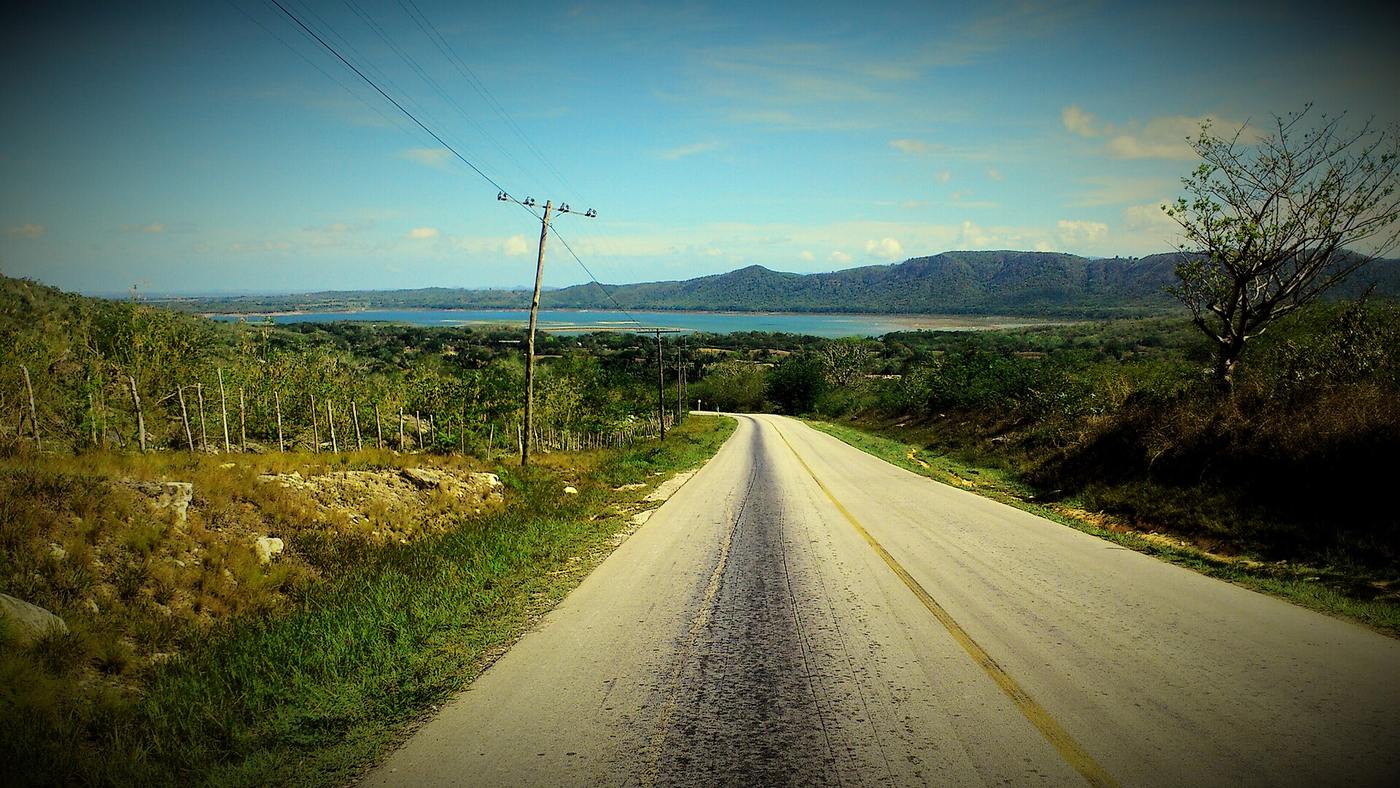
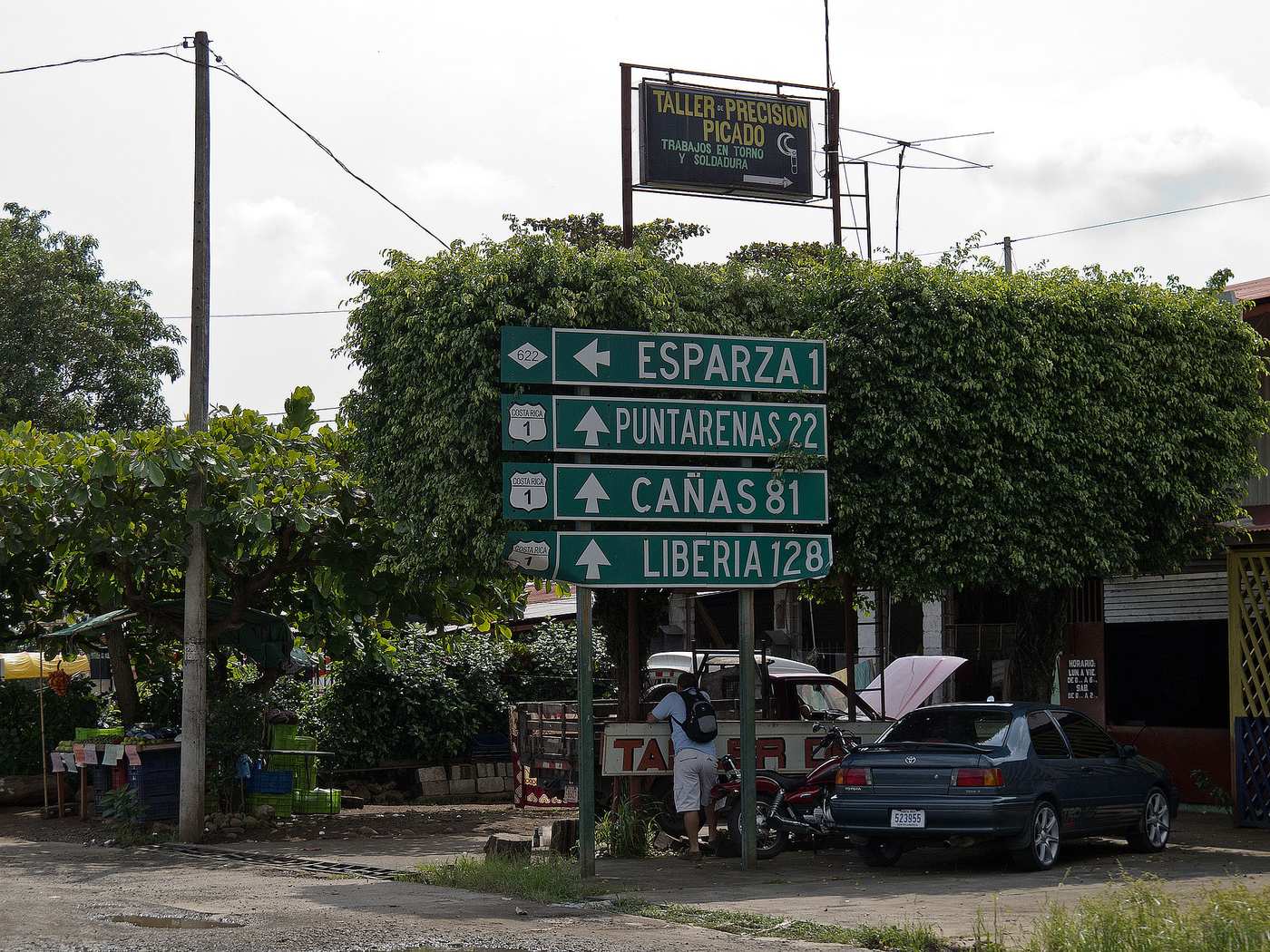
Better than the horror stories, worse than home. The run from Liberia's international airport to Playas del Coco is paved highway the whole way, and the roads through Coco, Ocotal, and Hermosa are in decent shape most of the year. This corner of the country is one of the easier places in Costa Rica to drive.
Leave the main routes and things change fast. Expect potholes after heavy rain, narrow or missing shoulders, single-lane bridges on roads you would not expect them, and motorcycles passing on both sides. Pedestrians, dogs, and the occasional horse share the road in every beach town. We wrote a full post on the roads of Costa Rica if you want the country-wide picture.
Our standing advice after years here: do not drive rural roads at night if you can avoid it. Street lighting is scarce, lane markings fade, and a pothole you would see at noon becomes an axle-bender at 9 p.m. Plan drives so you arrive before dark, especially in green season.
Do you need a 4x4 in Playas del Coco?
For daily life in town, no. Coco's core is paved, and a normal sedan handles the supermarket, the beach, and the highway to Liberia without complaint. Plenty of full-time residents here drive small cars and never miss the extra clearance.
You will want a 4x4, or at least a high-clearance SUV, in three situations: if you live in one of the hillside communities above town, where driveways and access roads get steep; if you plan to explore smaller beaches down unpaved tracks; or if you are here in green season (May through November) and want the freedom to take any road on the map. When guests ask us what to rent for a scouting trip, we usually say a mid-size SUV: the daily cost difference is small and it keeps every option open.
How do you get a Costa Rican driver's license?
If you become a resident, you do not start from zero. Costa Rica converts (the official term is homologation) a valid foreign license into a local one through COSEVI, the national road safety council. Under the current rules you need three things: a foreign license that is still valid, proof of legal immigration status or a residency application in process, and a basic medical exam from an authorized doctor. There is no written test and no road test to convert an existing license.
The 2024 reform also removed an old trap: applicants no longer wait out a holding period after receiving their residency card before they can homologate, and people with a pending application can begin the process rather than waiting for final approval. Requirements and appointment systems change, so confirm the current checklist with your attorney or directly with COSEVI before you go. We say this from experience: paperwork here rewards patience and punishes assumptions.
What should you do after an accident?
Do not move the vehicles, even if you are blocking traffic. In Costa Rica, both cars must stay in place until the traffic police and the insurance investigator arrive and complete their reports. Call 911, then call your rental agency or insurer, take photos, and wait. Moving the car first can void your coverage and complicate the report. It feels wrong the first time, and it is still the rule.
Our take after years of driving here
Driving in Costa Rica is not scary; it just asks more attention than driving at home. The law now works in visitors' favor, the roads around Coco are among the country's easiest, and a little planning (daylight arrivals, the right vehicle, papers in the glovebox) removes most of the stress.
If you are planning a scouting trip to Guanacaste, we are happy to help you make the most of the drive: which communities to see, what the access roads are really like, and which homes fit your plans. Browse our current listings, read up on Playas del Coco, or send us a message and we will point you in the right direction.
Frequently asked questions
Can I drive in Costa Rica with a US driver's license?
Yes. Since a May 2024 reform to Costa Rica's traffic law, your valid US (or other foreign) license works for the full period immigration authorized at entry, up to 180 days for many tourists. Carry your passport with the entry stamp and your license whenever you drive, and make sure the license itself does not expire during your stay.
Do I need an international driving permit in Costa Rica?
No. A valid driver's license from your home country is enough for tourists, and US State Department guidance lists a US license or an international driving permit as acceptable. An IDP can be handy as a Spanish-language backup document, but it is optional, and rental agencies in Guanacaste routinely accept ordinary US and Canadian licenses.
Do I have to take a driving test to get a Costa Rican license?
Not if you already hold a valid foreign license. Costa Rica converts it through a process called homologation at COSEVI: you show your valid license, proof of residency or a pending residency application, and a medical exam from an authorized doctor. No written or road test is required. Confirm the current checklist with your attorney, since procedures change.
Cover photo: Morris21, CC BY-SA 4.0, via Openverse · Photo: Ll1324, CC0 1.0, via Openverse