Water Letters and Well Permits: The Document That Makes or Breaks a Land Deal
One page from AyA or the local ASADA decides whether a Guanacaste lot is buildable, so verify it before you close.
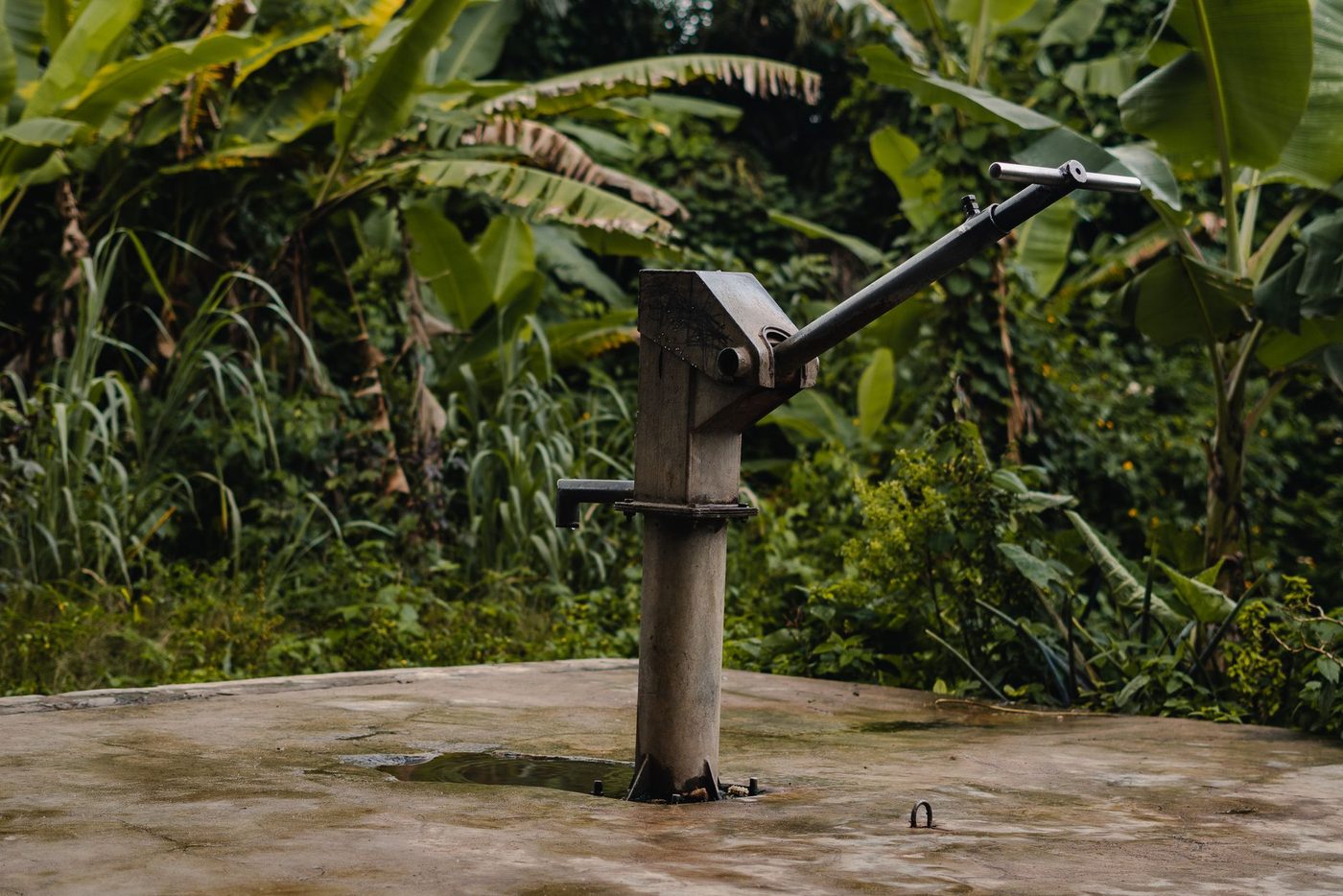
A water letter (carta de disponibilidad de agua) is written proof that a water provider can serve a specific property. In Costa Rica, municipalities will not approve a building permit without proof of potable water, so a lot with no water letter and no registered well may be land you cannot build on. Verify water before you sign anything.
What is a water letter, and who issues one?
The letter comes from whoever runs the aqueduct that serves the property. That can be AyA (Instituto Costarricense de Acueductos y Alcantarillados), the national water utility, or an ASADA, a community association that operates a rural aqueduct under delegation from AyA. In a few cantons the municipality itself runs the system. Around Playas del Coco and Ocotal, many properties connect to the AyA network, while nearby communities and outlying land often depend on ASADAs or wells.
The letter matters because of the building permit. Guanacaste municipalities list proof of potable water among their construction permit requirements: a water availability letter, a current water bill from AyA or the local ASADA, or, for properties fed by a well, documentation for the well itself. No proof of water, no permit. The rule applies to a large villa and to a small casita alike.
Why is water the make-or-break issue in Guanacaste?
Guanacaste is dry for months at a time. The hills turn gold, the rivers drop, and every aqueduct runs on whatever the aquifers and storage tanks hold. In a region growing this fast, the limiting factor for development is rarely land. It is water infrastructure.
Coco learned this the hard way. The Sardinal-El Coco-Ocotal aqueduct, the pipeline built to carry more water from the Sardinal aquifer to the coast, was fought over for the better part of a decade. Community opposition and a 2009 Constitutional Court ruling halted the project, and construction only resumed after a 2017 ruling found the studies were sufficient to move forward. The expanded system was designed to draw 70 liters per second from an aquifer with an estimated capacity of 440 liters per second, according to reporting by La Voz de Guanacaste.
The lesson for buyers is simple. Whether you get a water letter depends on the infrastructure and the paperwork of the specific system serving that specific lot. It does not depend on how much rain falls in October or how green the property looks in the photos.
Are all water letters the same?
No, and this is where land deals go sideways. Providers issue several different documents, and they are not interchangeable:
- Availability letter (disponibilidad). Confirms the system has real, current capacity to serve your property. This is the document that supports a building permit application, and it is the one you want.
- Capacity letters (capacidad hidrica). Confirm that water exists in the system, but do not commit a connection for your lot. Useful context, not a green light.
- Hydraulic capacity letters. Confirm that pipes pass near the property. Pipes are not water. On their own, these prove very little.
- Proof of existing service. A current bill and a meter already connected to the property. For a lot with service in place, this is strong evidence.
Two habits protect you here. First, check the date: letters expire, each issuer sets its own validity period, and a stale letter can be rejected when the permit application is filed. Second, have your attorney confirm the letter directly with the office that issued it rather than relying on the seller's copy.
What about wells? How do well permits work?
Under Costa Rica's Water Law (Ley de Aguas, No. 276 of 1942), water is public property, including the water under your land. Using groundwater legally requires paperwork from the Direccion de Agua, the water directorate within the environment ministry (MINAE).
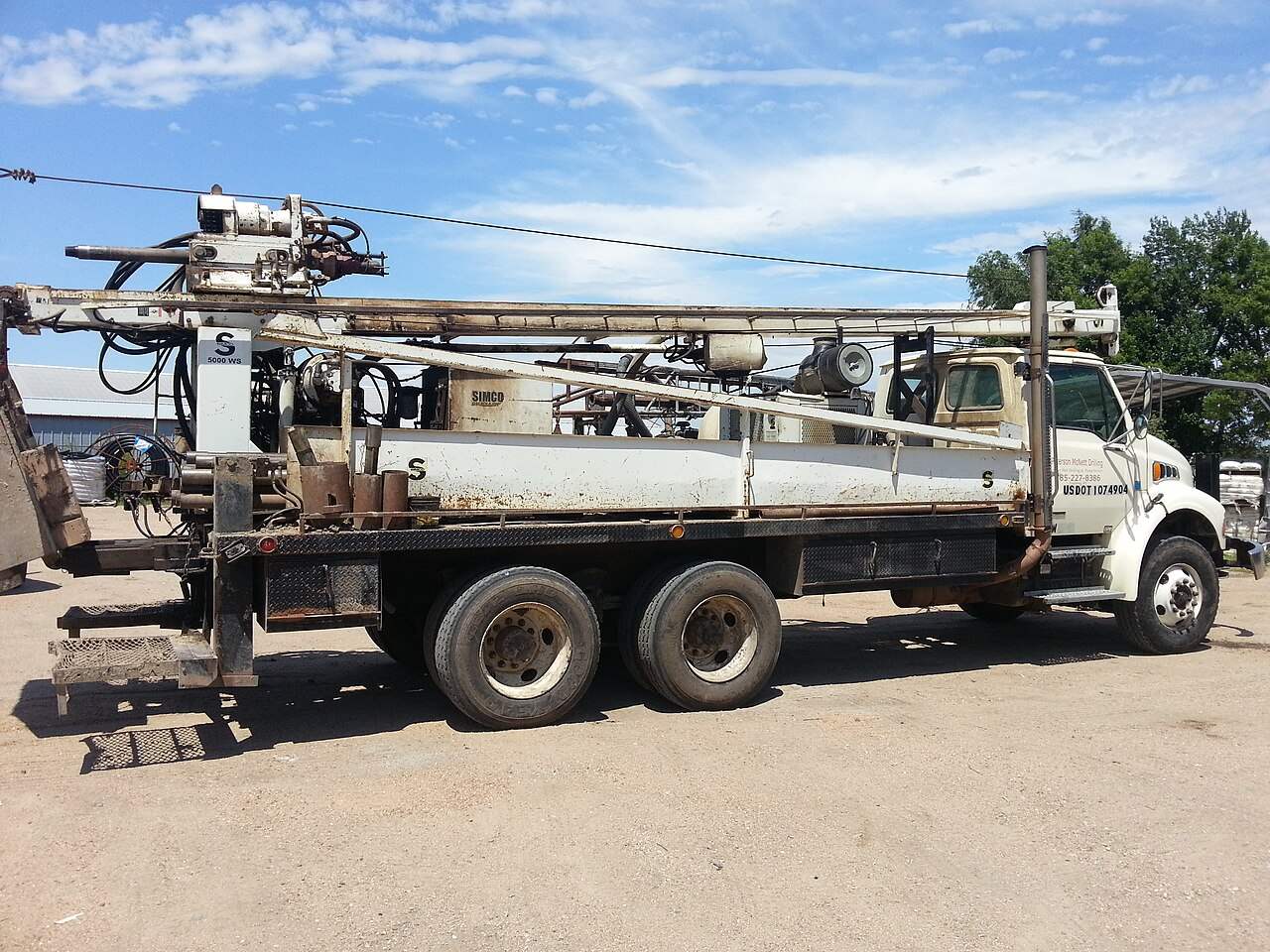
For a machine-drilled well, you need both a drilling permit and a water concession. The application is signed by the property owner, the drilling company, and a responsible geologist, and it moves through three phases: the request is published in La Gaceta, the official gazette, with a 30 day window for public objections; the directorate then inspects the site; and finally the legal department drafts the resolution. Budget real time for this process, and never let anyone talk you into drilling first and asking permission later.
Hand-dug artisanal wells are treated differently. A well dug for domestic use on your own property does not need a concession, but it must be registered with the Direccion de Agua, and it cannot sit within 40 meters of any wastewater treatment system. Domestic use is defined narrowly in the law: it covers household needs, not a boutique hotel or a rental compound.
Buying land that already has a well? Run three checks. Confirm the well is registered, confirm any concession is current and in good standing, and make sure the concession is formally transferred to you at closing. The Direccion de Agua has a specific procedure for transfers, and skipping it leaves you drawing water under someone else's name.
How do we handle water in due diligence?
Water verification sits near the top of our land checklist, alongside title, survey, and zoning. Here is the sequence we recommend:
- Ask for the document up front. A seller who cannot produce a water letter or a well file is telling you something important about the lot.
- Verify it independently. Your attorney should confirm the letter with AyA, the ASADA, or the Direccion de Agua. This is one more reason hiring a good lawyer in Costa Rica is not optional.
- Match the letter to your plans. A letter covering one residential connection does not cover a four-unit rental build. If you plan to subdivide or develop, ask exactly how many services the letter allocates.
- Make the contract contingent on water. If the letter cannot be confirmed or renewed, you should be able to walk away with your deposit.
- Check the rest of the file too. Water is one item on a longer list. Our guide on how to buy a home in Costa Rica covers the full process, and if the land sits near the beach, read our post on concession versus titled properties, because the maritime zone adds a separate layer of rules.
What does this mean for your land purchase?
It means a lot in Guanacaste is only worth what its paperwork says it is. Two neighboring lots can look identical, and one is buildable next year while the other waits indefinitely for a connection. That difference should shape the price you offer, the conditions your attorney writes into the contract, and the questions you ask before you fall in love with a view.
We live and work in Playas del Coco, and we walk land buyers through water verification on every deal, including the deals where our honest answer is "not this lot." Browse our current land and home listings, see what other buyers ask in our most asked questions post, or send us an inquiry and Expat Properties | CR will tell you what we know about water in the exact area you are considering.
Frequently asked questions
What is a carta de agua in Costa Rica?
A carta de agua, or water availability letter, is a document from AyA, an ASADA, or a municipality confirming that the local water system can serve a specific property. Municipalities require proof of potable water before they approve building permits, so without this letter or a registered well, a lot generally cannot be developed legally.
Do I need a permit to drill a well in Guanacaste?
Yes. A machine-drilled well requires both a drilling permit and a water concession from the Direccion de Agua under MINAE, and the application is published in La Gaceta with a 30 day objection period. Hand-dug artisanal wells for domestic use on your own property must be registered instead, at least 40 meters from any wastewater treatment system.
How long is a water letter valid?
Each issuer sets its own validity period and prints an expiration date on the letter, so there is no single answer. Treat an old letter as stale. Request a fresh one during due diligence, confirm it will still be valid when your building permit is filed, and have your attorney verify it directly with AyA or the local ASADA.
Cover photo: Carbell Sarfo, Pexels · Photo: Mcfly05, CC BY-SA 4.0, via Wikimedia Commons