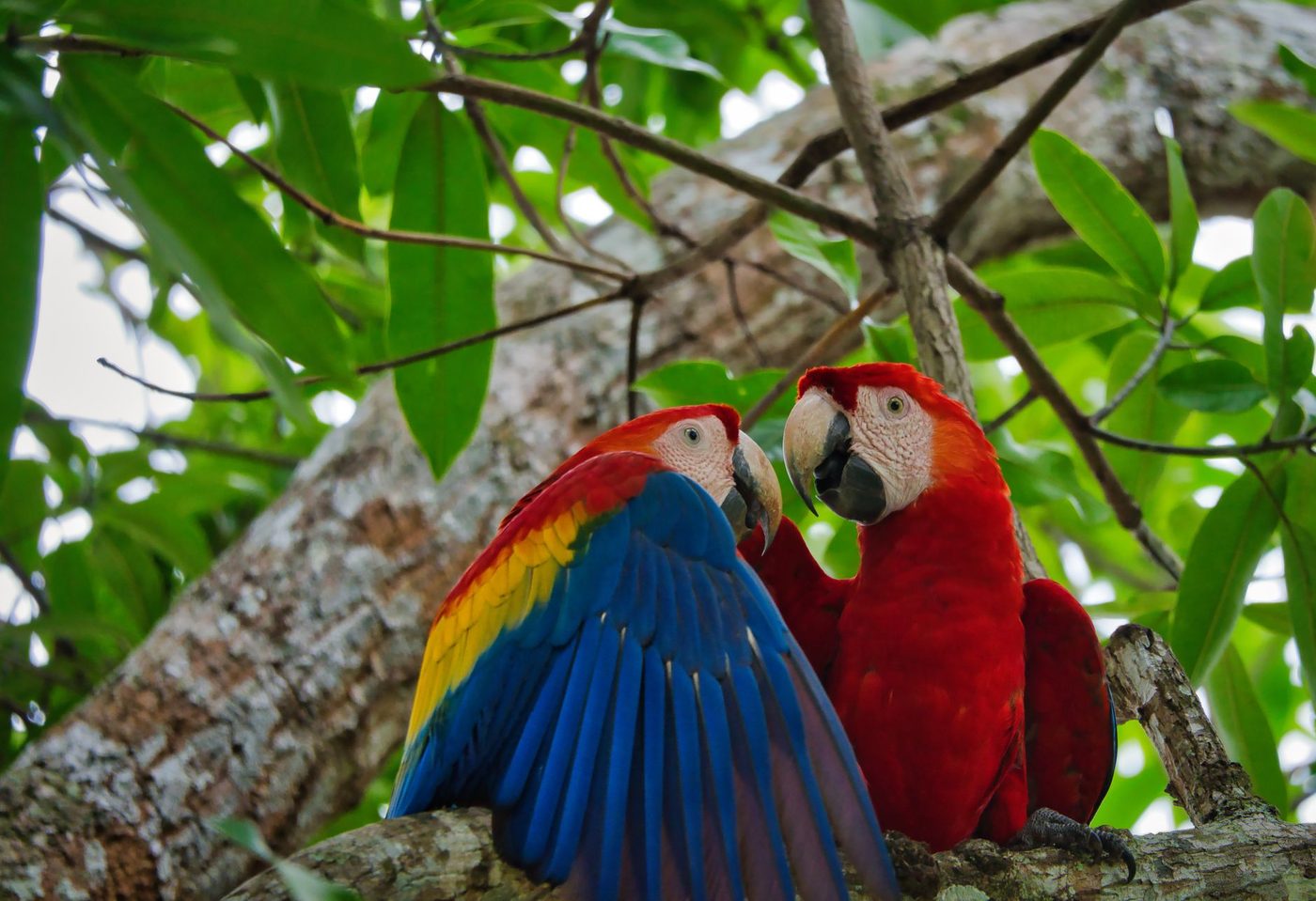
10 Best Reasons to Move to Costa Rica as an American
We refreshed our most-read relocation post with verified 2026 facts, from visa rules to residency income numbers.
Americans move to Costa Rica for a short list of practical reasons: 180-day tourist stays, residency programs with clear income thresholds, affordable healthcare, a stable democracy with no army, and warm weather all year. Add a large expat community and strong property rights, and the move is easier than most people expect.
We first published this post in 2023, and a lot has changed since then, so we have rewritten it with facts we verified in 2026. We are Expat Properties | CR, and we live and work in Playas del Coco, Guanacaste. Most of our owners and many of our neighbors made this exact move, so this list comes from watching it happen, not from a travel brochure. Here are the ten best reasons to move to Costa Rica as an American, with the numbers behind each one.
1. You can stay up to 180 days as a tourist
Costa Rica lets US citizens visit without a visa, and immigration can grant a stay of up to 180 days per entry, per the US State Department. The exact number of days is at the officer's discretion, and you need proof of onward travel, but in practice this means you can test a full six months of life here before committing to anything. We always tell buyers to rent first, and the 180-day window makes that easy. We covered the details in our post on Costa Rica's 180-day tourist stay.
2. Residency paths have clear, published requirements
Costa Rica publishes exactly what it takes to become a legal resident. The pensionado category requires 1,000 US dollars per month in pension or Social Security income. Rentista requires 2,500 dollars per month in stable income for two years, or a 60,000 dollar deposit in a Costa Rican bank. Investors qualify at 150,000 dollars under Law 9996, which can include real estate. There is also a digital nomad visa at 3,000 dollars per month for individuals. These thresholds do change, so confirm current figures with a licensed immigration attorney before you file. Our guide to retiring in Costa Rica walks through the pensionado route in more detail.
3. The weather is warm all year
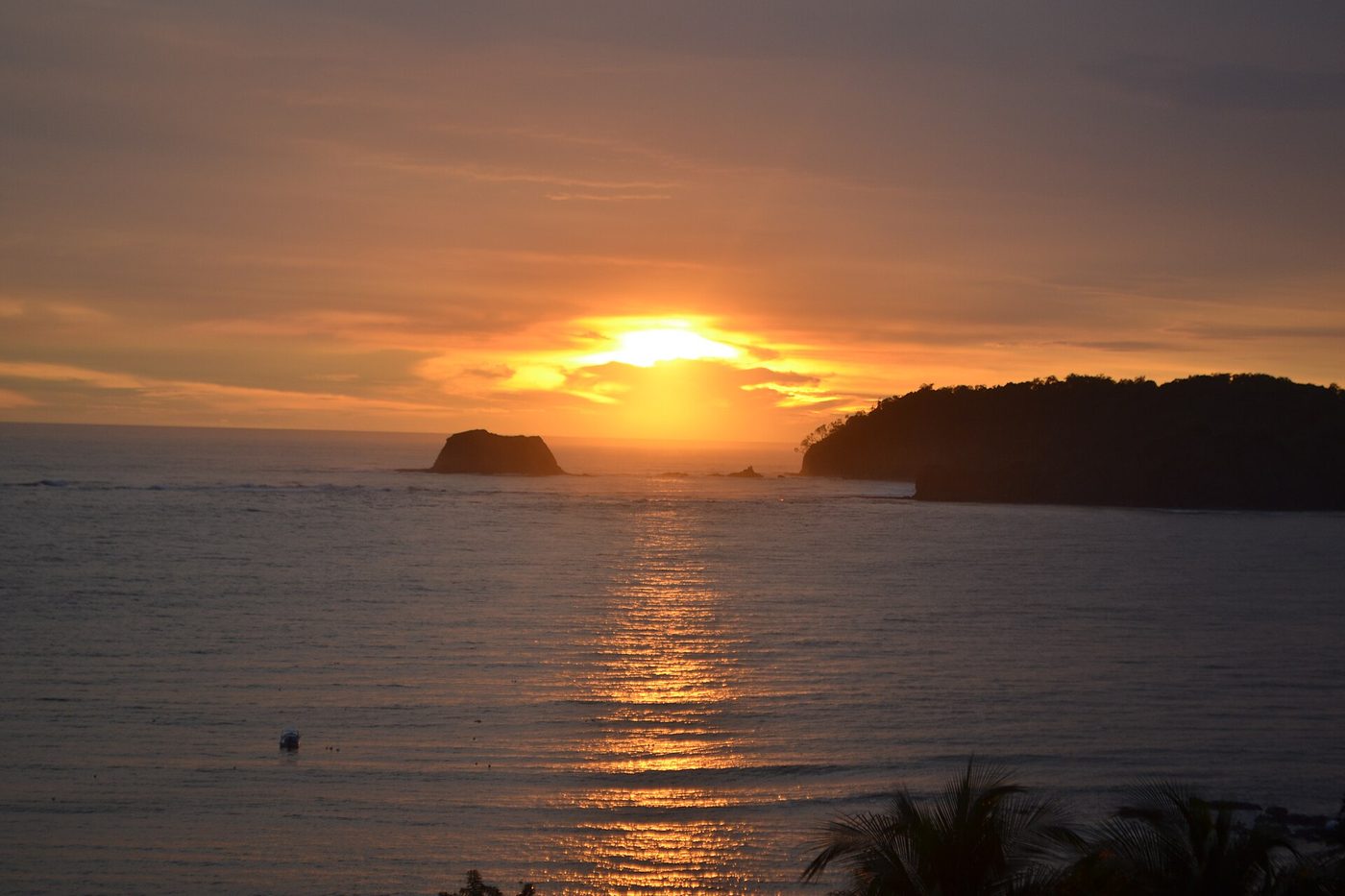
Guanacaste, our corner of the country, is the driest and sunniest province. From roughly late November through April you get day after day of sun. May through November is the green season, with sunny mornings and afternoon rain that turns the hills green. Nobody here owns a snow shovel or a heavy coat. To be honest, April in Coco is hot, and October is wet. But if your goal is to swim, surf, fish, or sit on a beach twelve months a year, this climate delivers.
4. Healthcare is good and costs less
Costa Rica runs a universal public healthcare system, the Caja, which legal residents join by paying a monthly contribution based on income. Alongside it sits a private system of hospitals and clinics where consultations, dental work, and surgery typically cost a fraction of US prices, which is why so many Americans already fly here for treatment. In our area, private clinics operate in Coco and full hospitals are in Liberia, about half an hour away. Costs overall are one of the big draws, and we break them down in our post on the cost of living in Costa Rica.
5. It is a stable democracy that abolished its army in 1948
Costa Rica has held peaceful, continuous democratic elections for over seven decades, which makes it an outlier in the region. In 1948 the country abolished its military entirely and redirected that budget toward education and health, a decision Costa Ricans still celebrate every December 1. That history shows up in daily life as political calm and institutional stability, things you notice most when you own property here. We wrote about the holiday and its meaning in our post on Military Abolition Day in Costa Rica. No country is crime free, and normal precautions apply here as anywhere, but the foundation is unusually solid.
6. Nature is protected, and it is everywhere
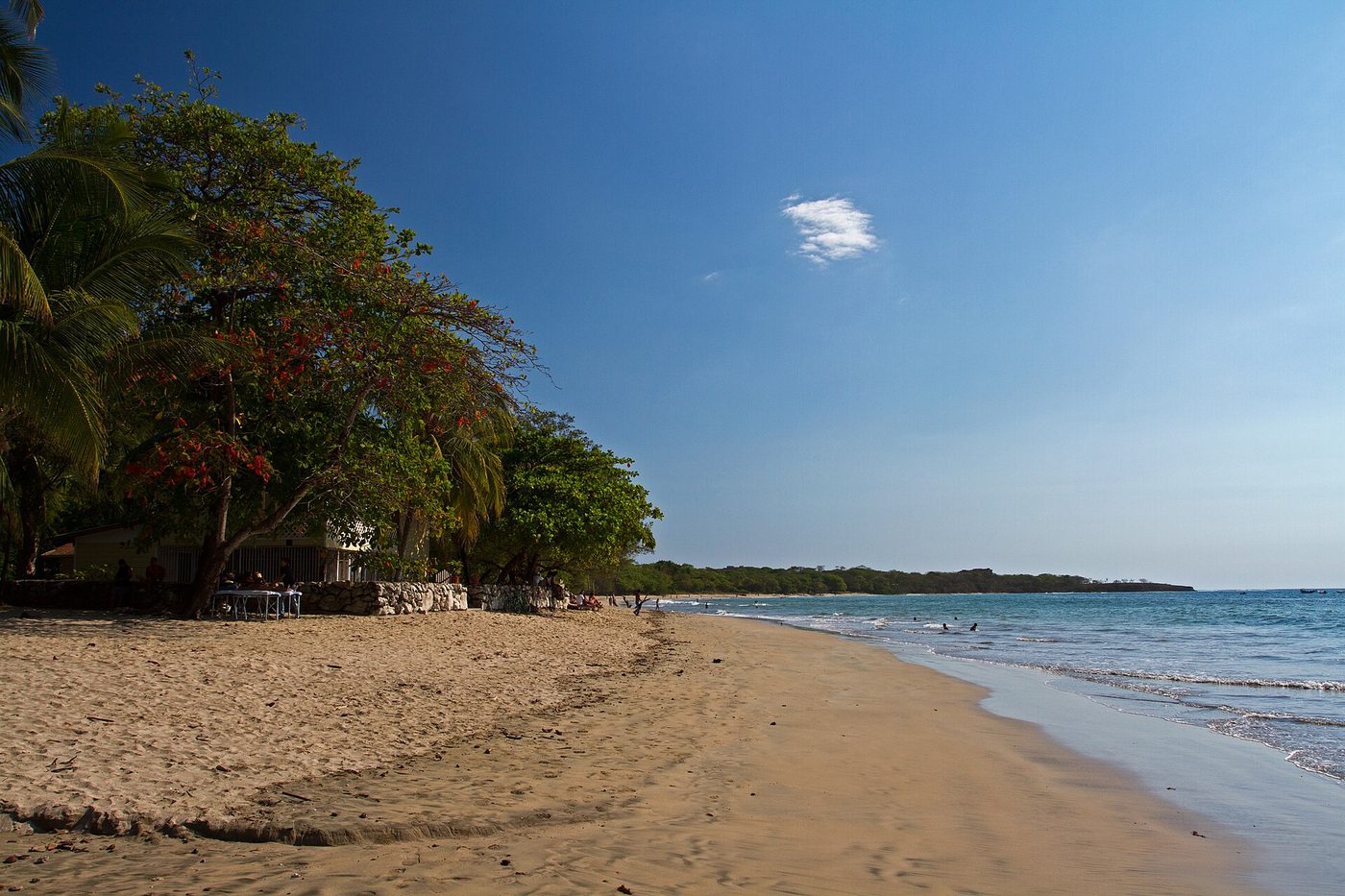
Costa Rica holds close to 6 percent of the world's biodiversity in a country smaller than West Virginia, and roughly a quarter or more of its territory sits inside national parks, reserves, and other protected areas, according to the Costa Rica Tourism Board. In Guanacaste that means howler monkeys in the trees behind your house, parrots at breakfast, and Rincón de la Vieja volcano an hour from the beach. This is not something you visit on vacation. It becomes the backdrop of ordinary life.
7. The American expat community is large and established
Estimates of the number of Americans living in Costa Rica range from about 70,000 to 120,000, one of the largest US communities anywhere in Latin America. For a newcomer this matters in practical ways: English-speaking attorneys, accountants, and doctors are easy to find, and towns like Playas del Coco have decades of experience welcoming foreigners. You will not be a pioneer here. The trails are well marked, and most of the mistakes have already been made by someone happy to tell you about them over coffee.
8. The pace of life is genuinely slower
Pura vida is a real thing, not a slogan. Life here runs on relationships, sunlight, and a calendar with fewer deadlines. The Nicoya Peninsula, just south of us in Guanacaste, is one of the world's five Blue Zones, regions where people live measurably longer than average. Researchers credit strong social ties, outdoor activity, and lower stress. We will not promise you will live to 100, but we can say the daily rhythm here is a genuine change from most American cities, and most people who move here name it as the thing they would miss most if they left.
9. The country runs on renewable energy
Costa Rica generated 98.6 percent of its electricity from renewable sources in 2025, mostly hydro, geothermal, and wind, according to figures reported by the state power institute. The national decarbonization plan targets net zero emissions by 2050. If living somewhere that takes conservation seriously matters to you, few countries anywhere match this record, and none in the Americas.
10. Americans can own property outright
Foreigners have the same titled property ownership rights as Costa Rican citizens, with no residency required to buy. You can hold fee simple title in your own name, and the annual property tax is 0.25 percent of the registered value, a fraction of what most US states charge. Beachfront concession land follows different rules, so good legal advice matters. We explain the full process in our guide to whether Americans can buy property in Costa Rica.
Is moving to Costa Rica right for you?
We will be straight with you: Costa Rica is not for everyone. Bureaucracy is slow, imported goods and cars cost more than in the US, and beach town prices have risen. We wrote a companion post on reasons to reconsider moving to Costa Rica because we would rather you arrive with clear eyes. But for thousands of Americans every year, the math and the lifestyle both work. If you want to see what your budget buys in Guanacaste, browse our current listings or send us a message. We are happy to share what daily life in Playas del Coco actually looks like.
Frequently asked questions
How long can Americans stay in Costa Rica without residency?
US citizens do not need a visa and can be granted up to 180 days per entry as tourists. The exact stay is set by the immigration officer at the border, and you must show proof of onward travel. Many people spend six months here before applying for residency, but repeated back-to-back entries are never guaranteed.
How much income do I need to retire in Costa Rica?
The pensionado residency category requires 1,000 US dollars per month in pension or Social Security income. That is the legal minimum, not a realistic budget: most retirees in Guanacaste beach towns spend well above it, especially with a car and private health insurance. Confirm current requirements with a licensed Costa Rican immigration attorney.
Is Costa Rica cheaper than the United States?
It depends on how you live. Healthcare, property tax (0.25 percent per year), labor, and local produce cost far less than in the US. Imported cars, electronics, and many packaged groceries cost the same or more. Popular beach towns like Playas del Coco run higher than inland towns, so budgets vary widely.
Cover photo: Federico Mata, CC BY 3.0, via Wikimedia Commons · Photo: Jarle Naustvik, CC BY 2.0, via Wikimedia Commons