10 Interesting Facts About Costa Rica
The country behind the beaches, and why so many visitors decide to stay.
Costa Rica abolished its army in 1948, protects about 26 percent of its land, generated 98.6 percent of its electricity from renewable sources in 2025, and ranked fourth in the 2026 World Happiness Report. Those are just a few of the interesting facts about Costa Rica that explain why so many visitors end up staying for good.
We live and work in Playas del Coco, on the Guanacaste coast, and almost every guest and buyer asks us some version of the same question: what makes this country so different? Here are ten interesting facts about Costa Rica, each one checked against current sources in 2026. A few may surprise you even if you have visited before.
1. Costa Rica has had no army since 1948
On December 1, 1948, President José Figueres Ferrer abolished the national military, and the 1949 Constitution made the decision permanent. The documents recording that choice are now inscribed in UNESCO's Memory of the World register. Money that would have funded a military went to schools and hospitals instead, and the country has been one of the most stable democracies in Latin America ever since.
December 1 is now a national holiday. We wrote more about how it is celebrated in our post on Military Abolition Day in Costa Rica.
2. Pura vida is a philosophy, not a slogan
You will hear "pura vida" (pure life) a dozen times a day here. It works as hello, goodbye, thank you, no problem, and a general statement that things are fine. It is not marketing invented for tourists. Ticos (as Costa Ricans call themselves) use it with each other constantly, and after a few months it starts shaping how you react to a late delivery or a rainy afternoon. That is the point. Visitors often notice the attitude before they can name it: less hurry, more patience, and a genuine assumption that things will work out.
3. It holds 5 to 6 percent of the world's known species
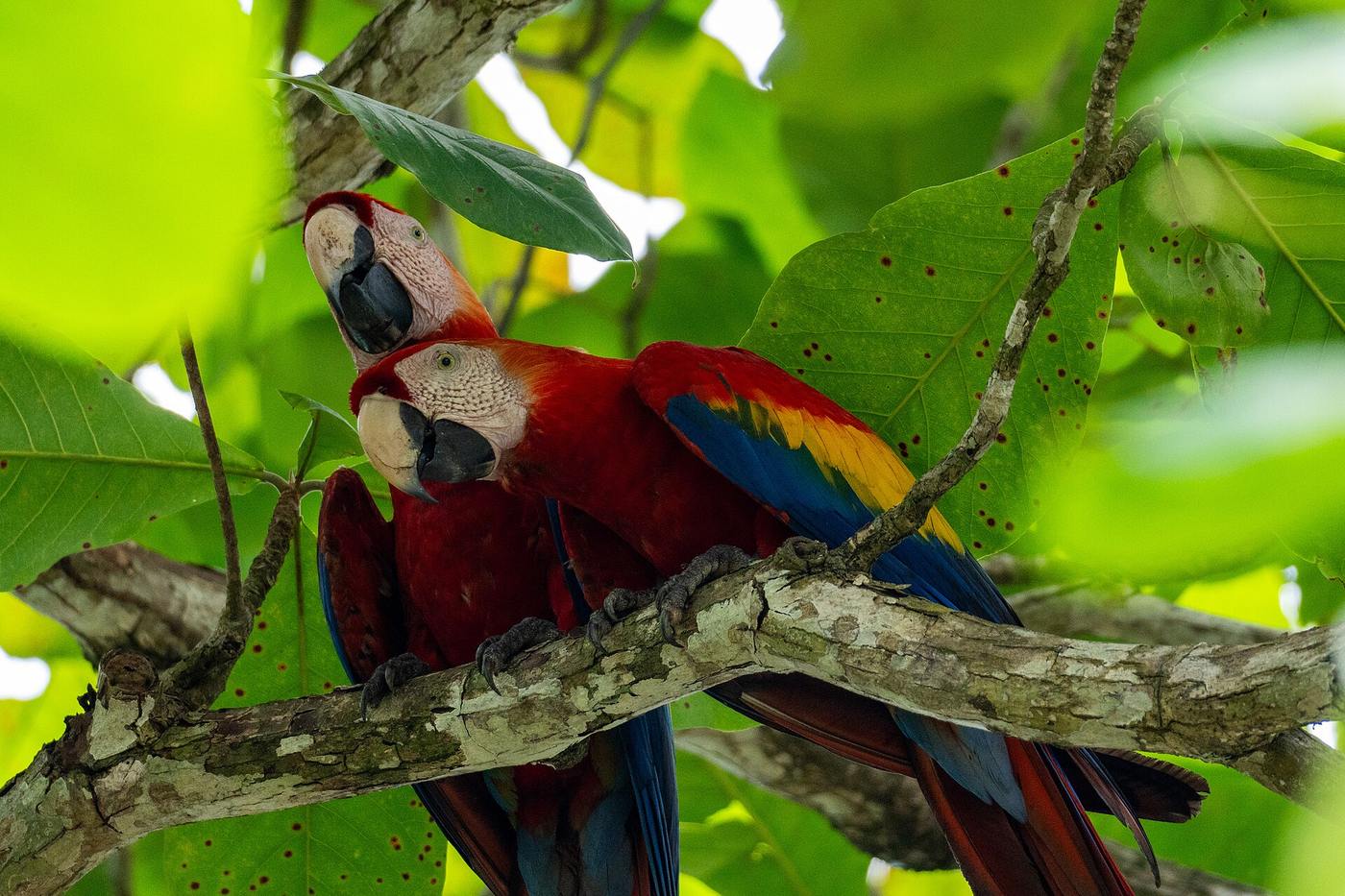
Costa Rica covers only about 0.03 percent of the planet's surface, yet it shelters an estimated 5 to 6 percent of the world's known species, according to the UN Development Programme's biodiversity finance initiative. In practical terms, that means howler monkeys in the trees behind your house, parrots at breakfast, and iguanas sunning on the pool deck. We covered the animals you will actually see on this coast in our guide to the wildlife of Guanacaste.
4. About 26 percent of the country is protected land
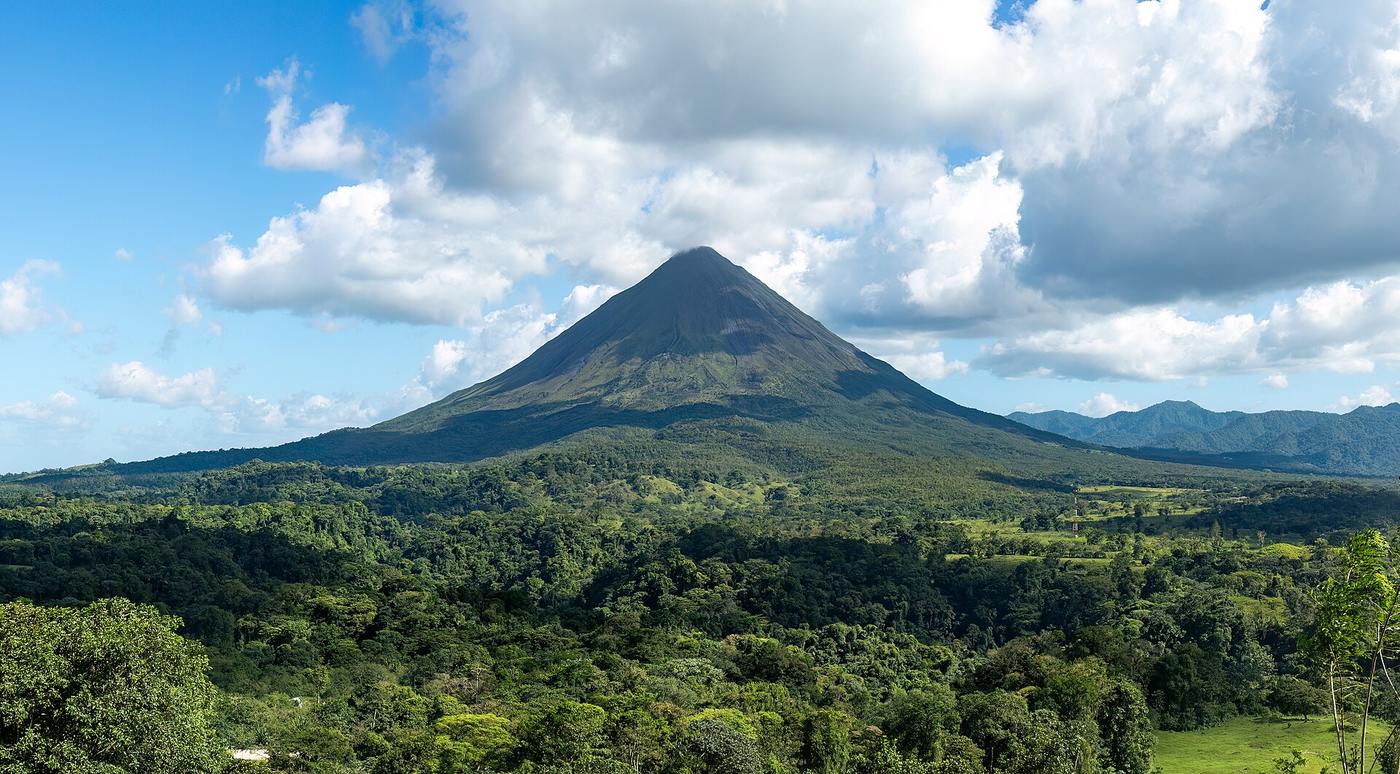
Roughly 26 percent of Costa Rica's terrestrial area sits inside national parks, reserves, and other protected areas managed through the national conservation system, one of the highest shares in the world. From Playas del Coco you can day-trip to Rincón de la Vieja's volcano trails, the tropical dry forest of Santa Rosa, or the wetlands of Palo Verde, and still be home for sunset. The protection is not just on paper. Costa Rica reversed decades of deforestation in the late twentieth century and built an economy where standing forest earns money through tourism, which is part of why the parks feel so alive.
5. You can watch the sun rise over one ocean and set over another
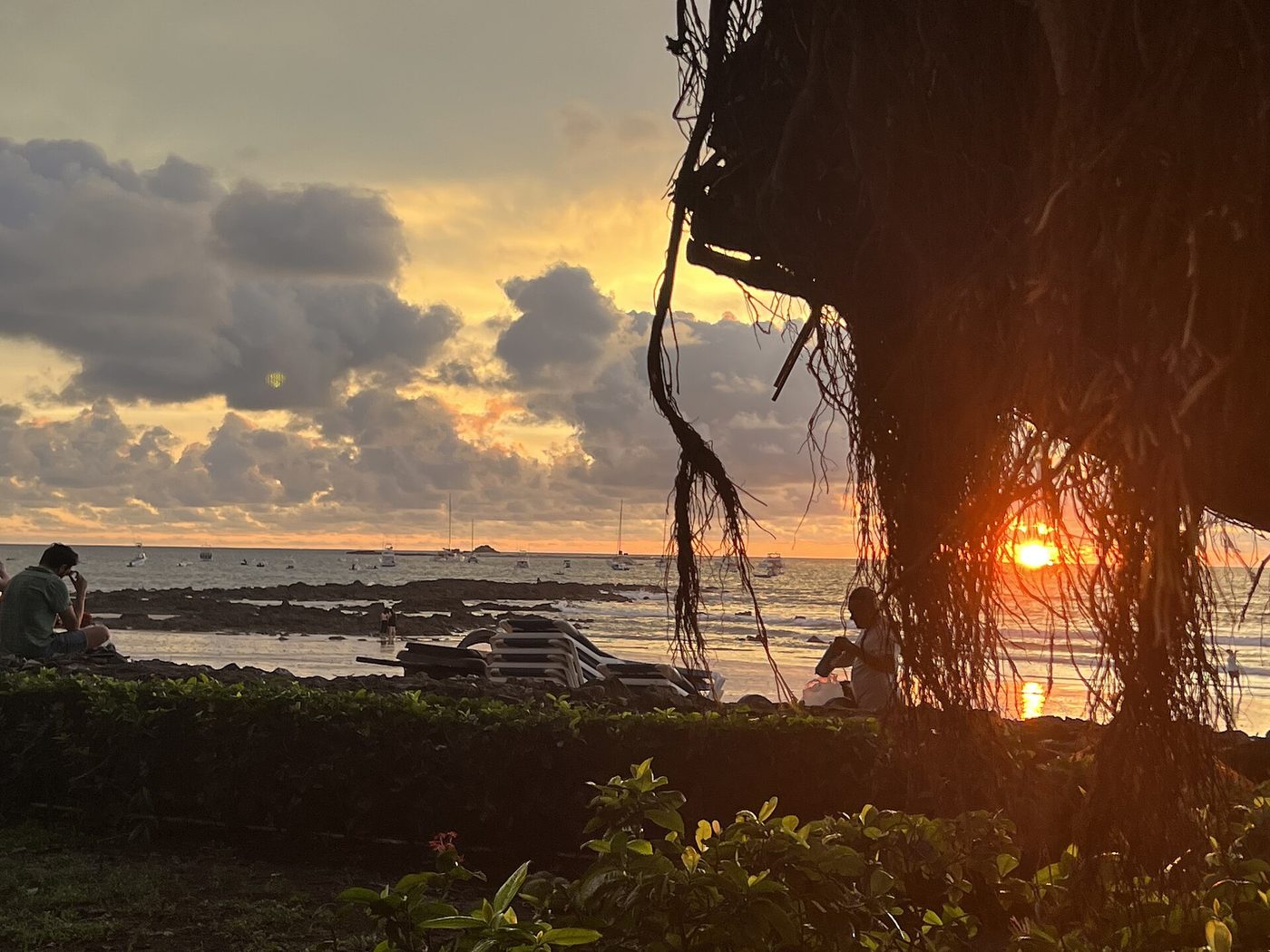
Costa Rica sits between the Caribbean Sea and the Pacific Ocean, and at its narrowest the country is only a few hours' drive across. In theory you can catch sunrise on the Caribbean and sunset on the Pacific in a single day. In practice the mountain roads are slow, so most people pick a coast. We are biased toward the Pacific side, where the sun sets over the water every evening.
6. It ranked fourth in the 2026 World Happiness Report
Costa Rica placed fourth in the 2026 World Happiness Report, its highest position ever and the highest ranking any Latin American country has achieved. It was the only non-Nordic country in the top four, ahead of Sweden and just behind Finland, Iceland, and Denmark. Researchers point to strong social ties, family networks, and trust. Of all the interesting facts about Costa Rica on this list, this is the one our clients feel fastest after moving here.
7. Nicoya is one of the world's five Blue Zones
The Nicoya Peninsula, here in Guanacaste, is one of only five regions in the world identified by Blue Zones researchers as having unusual concentrations of people who live past 100. Diet, daily movement, sunshine, and tight community all get credit. The peninsula starts about two hours south of Playas del Coco, and plenty of that lifestyle (fresh food, outdoor living, low stress) carries over to this stretch of coast.
8. Nearly all of its electricity is renewable
Costa Rica closed 2025 with 98.6 percent of its electricity generated from renewable sources: hydro, geothermal, wind, biomass, and solar, according to the state utility ICE. We will be honest about the fine print, though. The grid leans heavily on rainfall, and the 2024 El Niño drought pushed the renewable share down to roughly 86 to 91 percent before it recovered. Short outages still happen in beach towns, which is why many homes here have backup water tanks and some have generators.
9. Healthcare runs on two parallel systems
Costa Rica operates a universal public system, the Caja, alongside a large private sector, and both are used by locals and foreigners. Legal residents are required to contribute to the Caja, and many expats combine it with private insurance for faster appointments. Quality is well regarded across Latin America, and private care in Liberia, about 30 to 40 minutes from Coco by car, handles most routine and emergency needs without a trip to the capital. Confirm current contribution rules with an attorney or the Caja itself, since requirements change.
10. You can get by in English here, but Spanish opens doors
Spanish is the official language, and in beach towns like Playas del Coco, Tamarindo, and Playa Hermosa you will find doctors, agents, and restaurant staff who speak solid English. Banks, government offices, and most paperwork still run in Spanish, so budget for a translator or a bilingual attorney at first. Even basic Spanish changes daily life here. Ticos are patient with learners, and the effort is repaid many times over.
What do these facts mean if you are thinking of moving?
Taken together, these interesting facts about Costa Rica describe a small, stable, green country that measures success in something other than square footage. It is not perfect: roads are rough, bureaucracy is slow, and imported goods cost more than you expect. We covered the budget side in our post on the cost of living in Costa Rica.
If the tradeoffs sound worth it, we can help you see the place for yourself. Browse our current listings in Playas del Coco and around Guanacaste, or send us a message and we will answer your questions honestly. We live here, and we are glad to share what we know.
Frequently asked questions
Does Costa Rica really have no military?
Yes. Costa Rica abolished its army on December 1, 1948, and the 1949 Constitution made the abolition permanent. The country relies on civilian police forces for security and has remained one of the most stable democracies in Latin America. December 1 is celebrated each year as a national holiday marking the decision.
Is Costa Rica an expensive place to live?
It depends on where and how you live. Beach towns popular with expats, like Playas del Coco or Tamarindo, cost more than inland towns, and imported goods carry high duties. Local produce, healthcare, and property taxes are reasonably priced. Most expats find it cheaper than coastal US living but not the bargain it was 20 years ago.
Do I need to speak Spanish to live in Costa Rica?
Not at first. In expat-heavy beach towns, English is widely spoken by doctors, real estate agents, and business owners. However, banks, government offices, and legal paperwork operate in Spanish, so you will want a bilingual attorney early on. Learning basic Spanish makes daily life easier and is genuinely appreciated by Costa Ricans.
Cover photo: Rhododendrites, CC BY-SA 4.0, via Wikimedia Commons · Photo: Julio-César Chávez, CC BY 4.0, via Wikimedia Commons