
5 Ways Expats Overspend in Their First Year in Costa Rica
The same five budget leaks catch newcomers every year, and every one of them is avoidable.

The most common expat mistakes in Costa Rica are money mistakes: shipping a container of things the country taxes heavily, buying a car too soon, committing to housing before you know the town, shopping like a tourist all year, and paying for everything in dollars. Avoid those five and your first-year budget will look very different.
We are Expat Properties | CR, and we live in Playas del Coco. Between property sales, the vacation rentals we manage, and the newcomers who walk into our office every month, we watch the same five budget leaks repeat every single year. None of them come from bad luck. They come from making North American assumptions in a country with its own price logic. Here is where the money goes, and how to keep it.
1. Shipping a container of things you could buy here
The container decision is usually emotional, not financial. People pay to ship a houseful of furniture, appliances, and boxes they have not opened in years, then pay again at customs. Costa Rica charges import duties of roughly 1 to 15 percent on most goods, adds a 13 percent value added tax on most purchases, and hits certain items much harder: according to the U.S. Commercial Guide for Costa Rica, domestic refrigerators alone carry excise taxes of 30 to 40 percent.
There is a practical problem too. Furniture built for a dry climate can warp, rust, or grow mold in coastal Guanacaste. Local furniture makers build for this humidity, and everything from beds to appliances is available in Liberia, about 35 minutes from Coco. We wrote a whole post on what to leave behind when you move, and the short version is: sell most of it, arrive with suitcases, and budget for buying locally. If you do ship, get a written quote from a customs broker first, and confirm the current duty treatment of each big item before it leaves port.
2. Buying or importing a car in your first month
Cars are one of the true sticker shocks here, and we will not pretend otherwise. The same U.S. Commercial Guide notes that excise taxes on new and used vehicles range from 30 to 50 percent depending on the model, with a partial exemption for electric vehicles, and that is before the 13 percent VAT. Importing your own car means shipping fees, those taxes, and paperwork that can drag on for weeks. The result is that vehicles cost far more than in the United States or Canada, and they hold their value accordingly.
The overspending happens when people panic-buy in week one. They pay asking price for the first SUV they see, or ship a vehicle from home without pricing the taxes, then discover a locally bought car would have cost about the same with none of the hassle. Our advice: rent for the first month or two. You will learn which roads you actually drive, whether you truly need four wheel drive (in much of Guanacaste, you do in green season), and what fair local prices look like. Our post on driving in Costa Rica covers what daily life behind the wheel is really like.
3. Committing to housing before you know the town
Of all the expat mistakes in Costa Rica, this is the most expensive, and the one we see most often. Newcomers buy a home in their first weeks, or sign a year-long lease on a place they toured once in dry season, and then discover the reality: a street that floods in October, a bar that plays music until 2 a.m., an ocean view that comes with a steep unpaved road. Costa Rica looks different in March than it does in September, and so does every neighborhood.
Renting first is not wasted money. It is the cheapest research you will ever do. We tell almost everyone the same thing: rent for three to six months, ideally across both seasons, before you buy anything. We compared the numbers in renting vs. buying property in Costa Rica, and the pattern holds: the people who rent first almost always buy better, because they know exactly which street, which breeze, and which commute they are paying for.
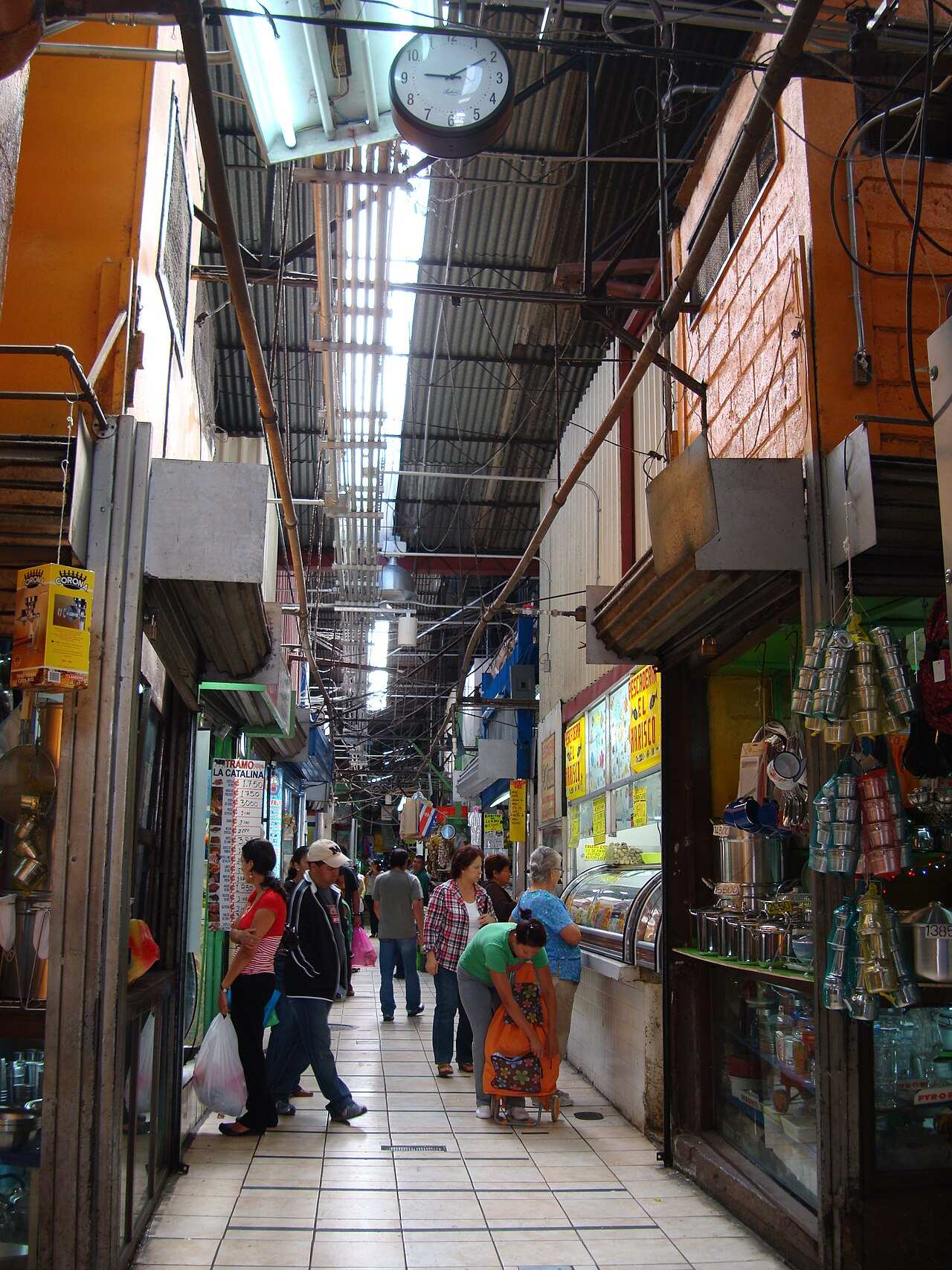
4. Shopping and eating like a tourist all year
Costa Rica can be affordable or expensive depending on which version of it you buy. Fill your cart with imported cereal, American peanut butter, and imported beer at about 1,500 colones a bottle, and your grocery bill will rival a US city. Buy local brands, shop the weekly feria (farmers market), and eat casados at the soda down the street, and the same week costs a fraction of that. Crowd-sourced data from Numbeo (updated August 2026) puts a mid-range three course meal for two at around 25,000 colones, roughly 55 US dollars, while a plate of the day at a local soda is a few thousand colones.
Utilities follow the same logic. Numbeo's reported range for basic monthly utilities runs from about 26,000 colones to 100,000 colones, and in our experience the difference is almost always air conditioning. Guanacaste is hot, and running AC in every room all day pushes electricity bills toward the top of that range fast. Ceiling fans, cross-breeze, and cooling only the bedroom at night keep most of our owners and long-term guests comfortable for far less. For a fuller breakdown, see our guide to the cost of living in Costa Rica.
5. Paying for everything in dollars
Dollars are widely accepted around Coco, which is convenient and quietly expensive. Pay cash in dollars and many businesses convert at their own round number, not the market rate. Pay by card and some terminals offer to charge you in dollars instead of colones; that convenience, called dynamic currency conversion, usually comes with a worse rate. As of August 13, 2026, the official reference rate published by Costa Rica's Ministry of Finance was about 452 colones per dollar. Every transaction that quietly uses 420 or 430 instead is a small tax you volunteered to pay.
The fix is boring and effective: know the current rate, choose colones when a card terminal asks, and use colones cash for small purchases. Once you are settled, a local bank account makes life simpler for utilities and transfers. None of this is exotic financial planning. It is just refusing to lose 3 to 5 percent on everything, every day, for a year. For the tax and banking side of a move, talk to a licensed accountant; we are happy to recommend the ones our clients use.
What is the cheapest way to learn all of this?
Borrow someone else's first year instead of paying for your own. Most expat mistakes in Costa Rica are imported assumptions, so build your moving budget around local prices, not the prices you left behind. Rent before you buy, price the big purchases before you commit, and ask people who already live here what things should cost. That is genuinely most of it.
We are glad to be that resource. Browse our current listings for sale, ask us about a rental to test out life in Coco for a season, or send us a message on WhatsApp with your budget questions. We would rather help you spend well in year one than help you fix an expensive mistake in year two.
Frequently asked questions
How much does it cost to import a car into Costa Rica?
Plan on paying a large share of the vehicle's value in taxes. The U.S. Commercial Guide reports excise taxes of 30 to 50 percent on new and used vehicles depending on the model, plus 13 percent VAT, along with shipping and broker fees. Many expats find buying locally simpler. Confirm current rates with a customs broker before shipping anything.
Is it cheaper to ship furniture to Costa Rica or buy it there?
For most people, buying locally wins. Shipping costs plus import duties and 13 percent VAT often approach the price of new furniture, and pieces built for dry climates can warp or mold in coastal humidity. Local makers build for the climate. Ship the few items that truly matter to you and replace the rest after you arrive.
Should I rent before buying a house in Costa Rica?
Yes. We recommend renting for three to six months, ideally covering both dry and green season, before buying. Neighborhoods change with the seasons: roads, noise, flooding, and heat all show up differently in September than in March. Renting first is the cheapest way to learn exactly which street and which type of home fit your life here.
Cover photo: Gustavo Fring, Pexels · Photo: Eric T Gunther, CC BY-SA 3.0, via Wikimedia Commons