Why Expats Love Celebrating Guanacaste Day in Costa Rica
The story behind July 25, the Dia de la Anexion, and what the holiday looks like from Playas del Coco.
Guanacaste Day falls every July 25 and marks the day in 1824 when the people of the Partido de Nicoya voted to join Costa Rica rather than Nicaragua. It is a national holiday across the country, and here in Guanacaste it is the proudest day of the year: horse parades, marimba music, folk dances, and tables full of corn-based food.
What is Guanacaste Day, and what actually happened in 1824?
The official name of the holiday is Dia de la Anexion del Partido de Nicoya. The Partido de Nicoya was a colonial district that covered most of what is now Guanacaste province. After Central America broke from Spain in 1821, the region's status was unsettled. It sat between two new countries, with trade and family ties running in both directions.
On July 25, 1824, residents gathered in an open town meeting in Nicoya and voted to join Costa Rica. According to the records summarized in the Wikipedia entry on the annexation, about 77 percent voted in favor. Santa Cruz held its own vote days later with the same result. The town then called Guanacaste, today's Liberia, initially stayed out because of its close ties to Rivas in Nicaragua, and was incorporated by congressional decision in March 1825.
No war. No conquest. A ballot. That is why the province's motto is "De la patria por nuestra voluntad," which translates roughly as "part of the homeland by our own will." In 2026 the province celebrated 202 years since that vote, and the story still gets told in every school in the country each July.
How is Guanacaste Day celebrated?
If you have only seen Costa Rican holidays from a resort pool, July 25 is the one worth leaving the pool for. The biggest celebrations happen in the towns that cast those original votes: Nicoya, Santa Cruz, and Liberia. Expect some combination of the following, depending on the town:
- Topes and civic parades. Riders bring their best horses through the center of town, followed by school bands and dance groups in traditional dress.
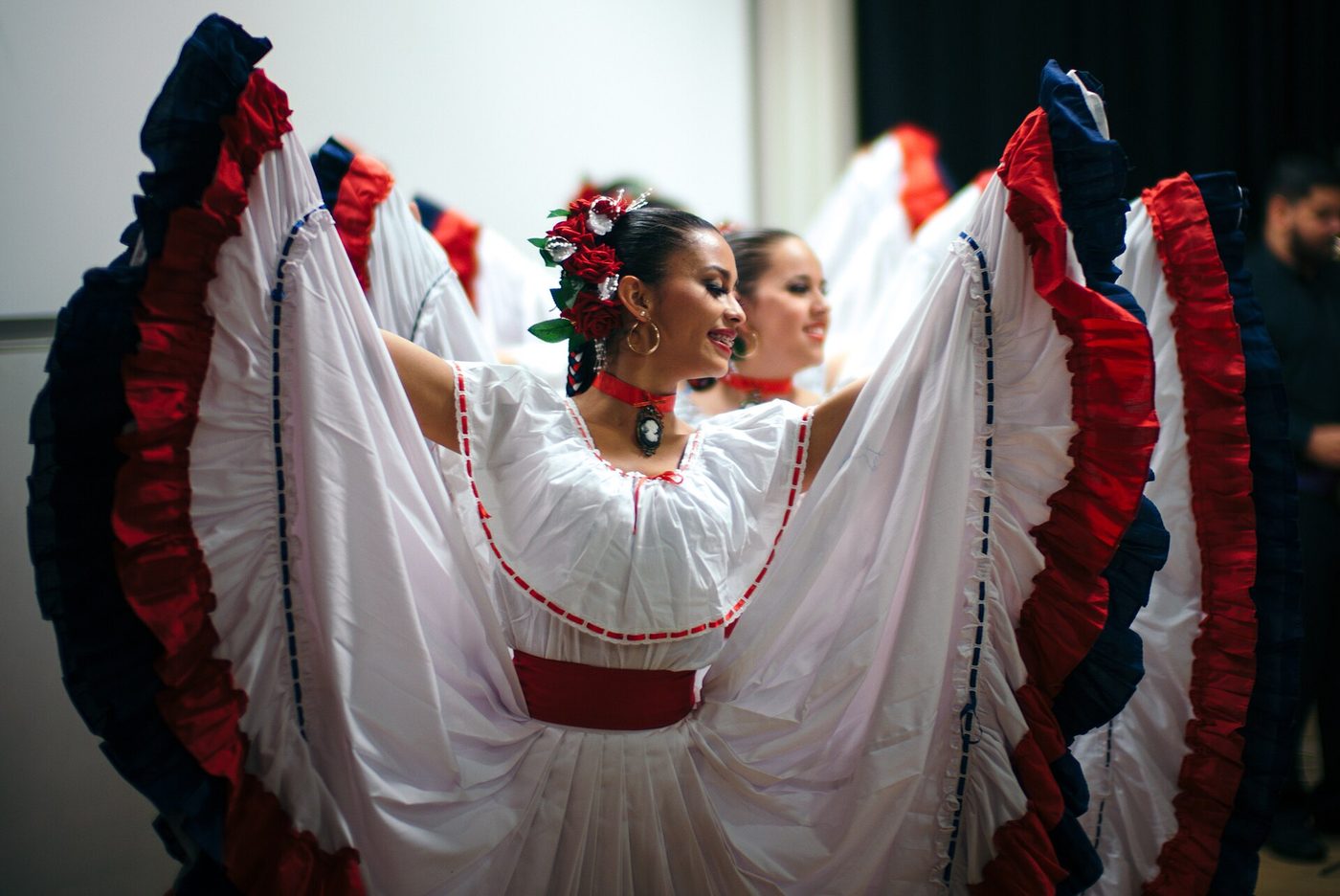
- Marimba and the Punto Guanacasteco. The marimba is the sound of the province, and the Punto Guanacasteco is Costa Rica's signature folk dance: swirling skirts, white shirts, red sashes.
- Bombas. Mid-dance, the music stops and someone shouts a short rhyming verse, usually cheeky, sometimes at the expense of a neighbor. The crowd answers, the music resumes.
- Food, most of it built on corn. Tamal asado, rosquillas, hand-pressed tortillas, and chicheme, a corn drink, all show up on July 25. Family recipes come out once a year and are judged accordingly.
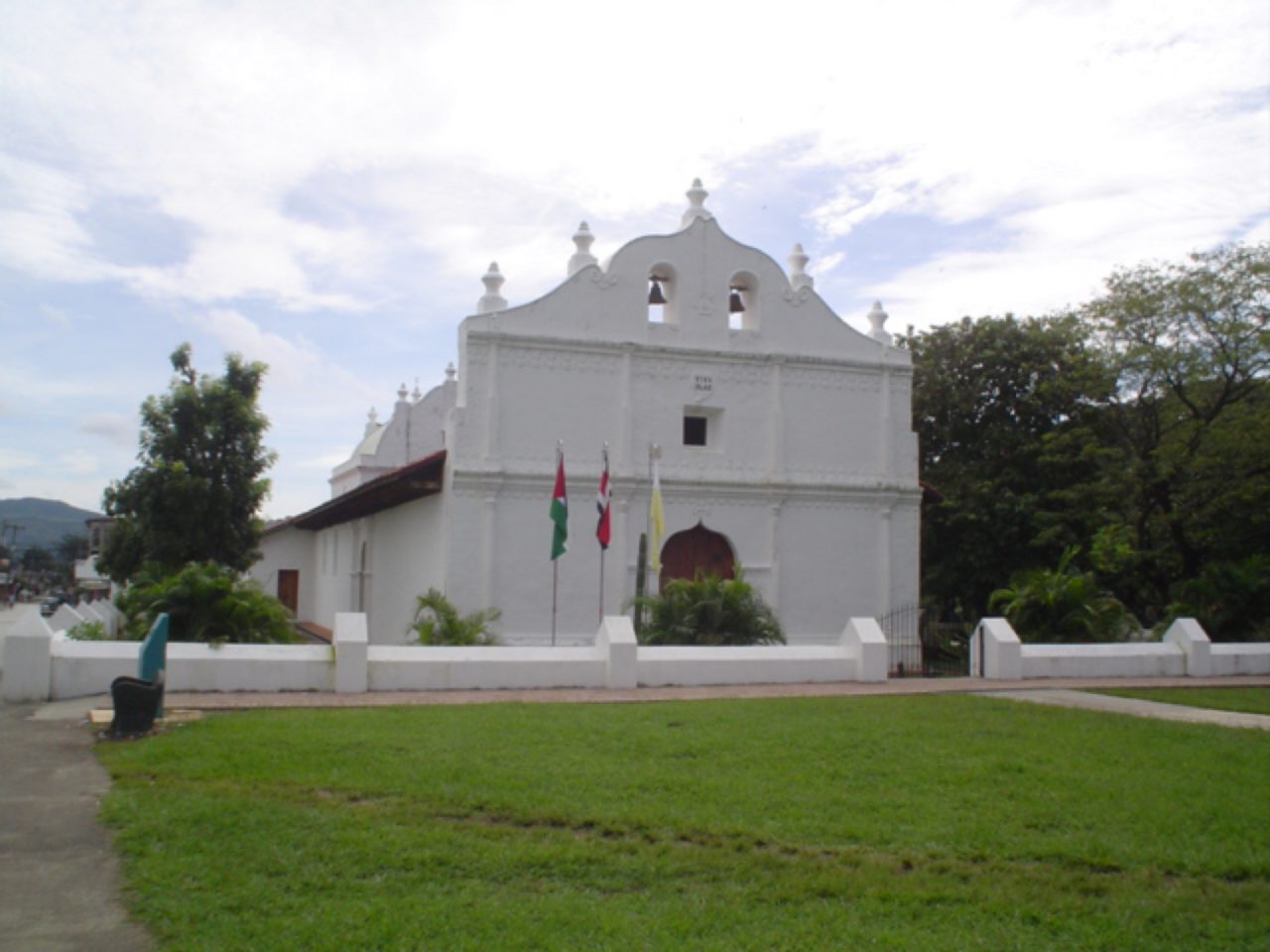
Nicoya's whitewashed colonial church, one of the oldest in the country, anchors the most historic version of the celebration. If you want the full civic ceremony, speeches and all, Nicoya is the place.
The traditions run deeper than the annexation itself. Guanacaste's food, music, and dance draw on Chorotega, Spanish, and Afro-descendant roots, and the marimba tradition in particular is widely credited to the African-descended communities who made up a large share of the province's colonial population. Matambu, near Nicoya, is still a Chorotega indigenous territory today. July 25 celebrates a vote, but the culture on display that day is centuries older than the republic it joined.
What does July 25 look like in Playas del Coco?
We will be honest: Coco is a beach town, not a folklore capital. The July 25 celebrations in Playas del Coco are smaller than what you will find in Nicoya or Liberia. Schools hold civic acts in the days around the holiday, businesses hang the white, blue, and red, and in some years a local tope comes through. Many of our Tico neighbors spend the day with family in Sardinal, Liberia, or further inland, because that is where the grandmothers and the recipes are.
For expats living here, that is not a downside. It is an invitation. Liberia and Nicoya are both easy day trips from Coco, and going to the source is half the fun. We wrote more about how Coco compares to its neighbors in what makes Playas del Coco different from other Guanacaste beach towns.
Is Guanacaste Day a national holiday in Costa Rica?
Yes, and it is one of the mandatory-pay holidays under Costa Rica's Labor Code. It is also one of the holidays that stays put: July 25 is observed on the date itself and does not get moved to a Monday. In 2026 it fell on a Saturday, and employees who worked that day were owed double pay, as Costa Rican outlets like Delfino.cr reported ahead of the holiday.
Practical version for residents: banks, public offices, and many businesses close when the 25th lands on a weekday. If you employ housekeepers, gardeners, or property staff, holiday pay rules apply to them too, so confirm the current requirements with your accountant or attorney. We are not labor lawyers, and the rules have details worth getting right.
Why do expats love Guanacaste Day?
Three reasons, based on what we see year after year.
It is the easiest door into local culture. Nobody checks your passport at a tope. Show up, buy rosquillas from the señora with the cooler, clap for the dancers, and you are participating. Neighbors notice which foreigners show up for the town's day, and it changes how you are received the other 364 days.
The story resonates. Most of us moved here, at least in part, because Costa Rica chose a different path: a country that settled its biggest border question with a vote in 1824 and abolished its army in 1948. Celebrating that history feels less like watching someone else's holiday and more like celebrating the reasons you came.
It kicks off the best stretch of the cultural calendar. July 25 is followed by Mother's Day on August 15 and Independence Day on September 15, so the marching bands barely get a rest. If you are testing whether you could live here, this stretch of the year shows you the community at its warmest.
Thinking about a late-July visit?
July 25 lands in the green season, and it is one of the nicest windows in the year: the hills around Coco turn green, mornings are usually clear, showers come in the afternoon, and the town is calmer than in the December to April high season. It is a good moment to see Guanacaste as residents see it, holidays, rain, and all, rather than at peak-season polish. If you head to a tope or a food fair, bring cash in small bills for the stalls, arrive before the parade route fills, and expect things to start later than posted. Nobody is in a hurry on July 25, which is rather the point.
If your plans go beyond one holiday, we are happy to help. Expat Properties | CR is based in Playas del Coco, we manage vacation rentals here and in Ocotal, and we have walked plenty of future neighbors through their first July 25. Browse our current listings, or send us a message and tell us what you are looking for. And if you are here on the 25th: the rosquillas go fast. Get there early.
Frequently asked questions
What does Guanacaste Day celebrate in Costa Rica?
It commemorates July 25, 1824, when the Partido de Nicoya voted in an open town meeting to join Costa Rica instead of Nicaragua. Santa Cruz voted the same way days later, and Liberia was incorporated in 1825. The province's motto, De la patria por nuestra voluntad, means part of the homeland by our own will.
Is Guanacaste Day a public holiday, and is anything open?
Yes. July 25 is a mandatory-pay national holiday under Costa Rica's Labor Code, and it is observed on the date itself rather than being moved to a Monday. Banks and public offices close when it falls on a weekday. Restaurants, supermarkets, and tourist businesses in beach towns like Playas del Coco generally stay open.
Where are the biggest Guanacaste Day celebrations?
Nicoya hosts the most historic ceremony, centered on its whitewashed colonial church, with Liberia and Santa Cruz close behind. Expect topes (horse parades), marimba music, folkloric dance, and traditional corn-based food. Celebrations in Playas del Coco are smaller, but Nicoya and Liberia are easy day trips if you want the full event.
Cover photo: Arnaldo Rodriguez Espinoza, CC BY-SA 4.0, via Wikimedia Commons · Photo: Simon King, CC BY-SA 4.0, via Wikimedia Commons