Celebrating Children's Day in Costa Rica
Why Ticos celebrate Día del Niño on September 9 and what the day looks like in a Guanacaste beach town.
Children's Day in Costa Rica, called Día del Niño, is celebrated every year on September 9. It began in 1946, decades before the United Nations named a world day, and it is not a public holiday: schools stay open and throw the party, with games, costumes, treats, and community events across the country.
We live and work in Playas del Coco, and September is one of our favorite months to be here. The crowds of high season are gone, the hills turn green, and the calendar fills up with civic celebrations. Día del Niño kicks off that stretch, and if you are thinking about moving here with a family, it is a good window into how this country treats its kids. Here is the story behind the day, how it is celebrated, and what it looks like in our corner of Guanacaste.
How did Children's Day in Costa Rica begin?
The tradition is older than most people assume. In 1946, the board of the Patronato Nacional de la Infancia (PANI), Costa Rica's national child welfare agency, proposed a day dedicated to children, and the government of President Teodoro Picado formalized September 9 by decree. PANI itself dates back to 1930, so the country had already spent a generation building institutions around childhood before the day existed.
The United Nations arrived later. In 1954, the UN General Assembly passed Resolution 836(IX), recommending that every country set aside a Universal Children's Day and letting each nation pick its own date. Costa Rica simply kept the September 9 tradition it already had. Today the UN marks World Children's Day on November 20, the anniversary of the 1989 Convention on the Rights of the Child, which is why you will see two different "children's days" on international calendars. In Costa Rica, September 9 is the one that matters.
Is Children's Day a day off in Costa Rica?
No, and that is by design. Día del Niño is an observance, not a public holiday. Banks, offices, and shops keep normal hours, and schools stay open, because school is where the celebration happens. In 2026, September 9 falls on a Wednesday, so most schools will celebrate that day or spread activities across the week.
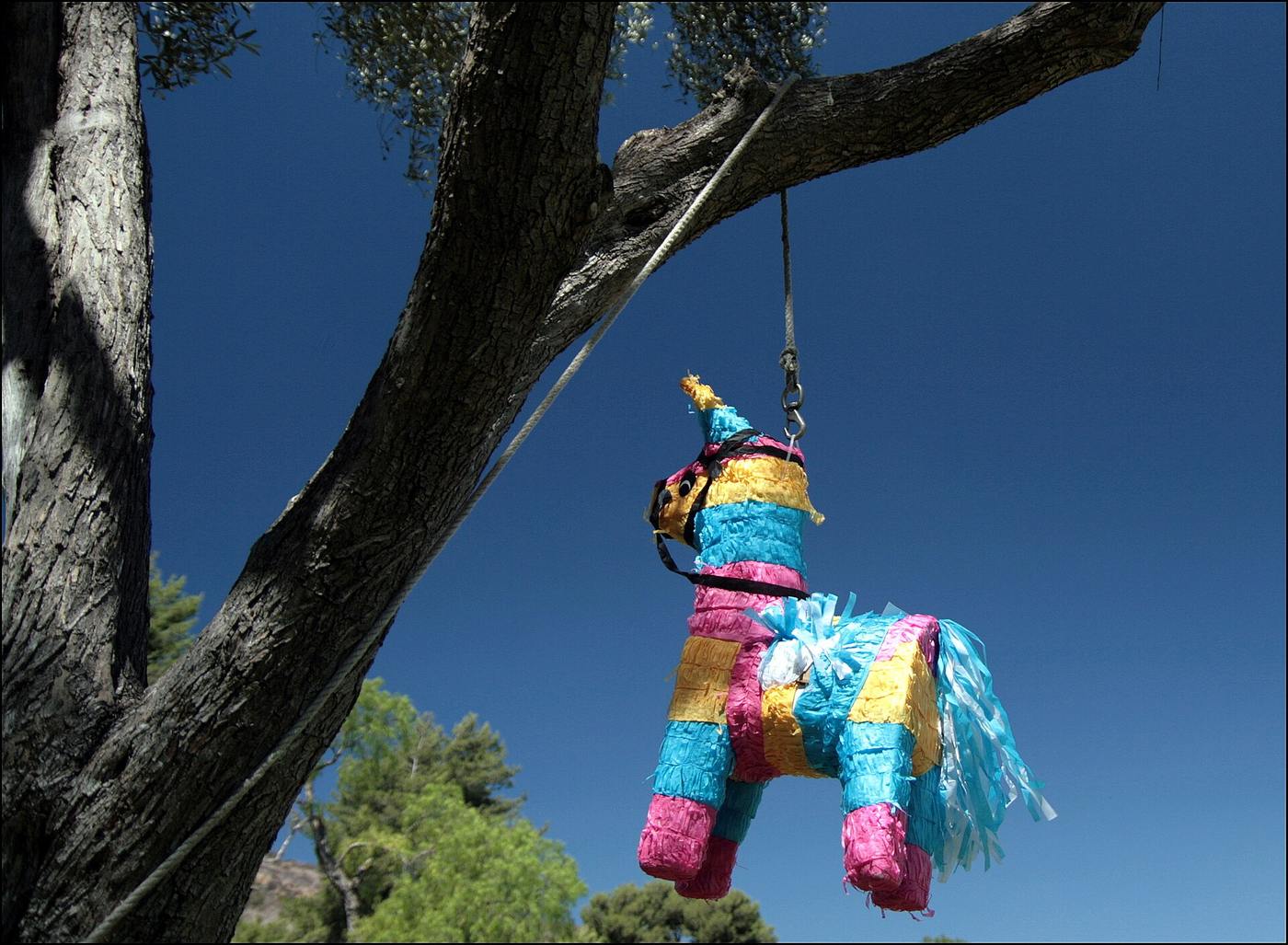
A typical school celebration looks like this: uniforms are set aside for costumes or regular clothes, classes are replaced with games, teachers organize piñatas, face painting, music, and treats, and parents send snacks or small gifts. Municipalities and community associations add public events, and cultural institutions in San José often run free activities for families. The point is simple: for one day, the entire adult world organizes itself around making children feel valued.
At home, the day stays low key. Most Tico families mark it with a favorite meal, a small gift, or an outing to a park or the beach rather than anything expensive. Stores run toy promotions in the first week of September, but the emphasis is closer to a second birthday hug than a second Christmas. Grandparents, aunts, and uncles often get involved, because extended family is the default unit here, not the exception. If your image of a children's holiday involves a mountain of wrapped boxes, this one will recalibrate it: the gift is attention, and Costa Rican adults give it generously.
What does the day say about Costa Rican values?
Quite a lot, in our experience. Costa Rica abolished its army in 1948 and redirected spending toward education and health, and children sit at the center of that national story. The legal framework is real, not just symbolic: the Código de la Niñez y la Adolescencia (Law 7739 of 1998) spells out the rights of everyone under 18, and PANI exists to enforce them.
We will be honest about the other side too. Costa Rica is not a perfect place to be a child. Rural schools can be under-resourced, and child poverty remains a stubborn problem here as it does across Latin America. But the cultural instinct is strong: children are greeted, included, and fussed over in a way that surprises many newcomers from the US and Canada. Take a toddler into a soda (a small local restaurant) and watch the staff compete for their attention.
What does Children's Day look like around Playas del Coco?
Coco is a real town, not just a resort strip, and that shows on September 9. The public schools in Coco and the wider Sardinal district run their own parties, local businesses donate treats and prizes, and community groups organize games for kids whose families cannot afford much. If you are in town that week, you will hear the music from the school before you see it.
The timing also matters. Día del Niño opens Costa Rica's civic month: the independence torch relay and the nighttime faroles (lantern) parade follow the next week, and then Independence Day on September 15 brings school drum bands and traditional dress into the streets. For two weeks, kids are the stars of every public event in town. September is also deep green season here, which means afternoon rain, lush hills, and a quieter, more local feel than the December to April high season. If you want to see what Playas del Coco is like for the people who actually live here, this is the month to visit.
Why should expat families care about Día del Niño?
Because holidays like this one are a preview of daily life. If you move here with kids, your children will be celebrated on September 9 at school like everyone else's, whether they attend a public school or one of the private and bilingual options in Guanacaste. Joining in is easy: ask the school what to send, show up for the community events, and let your kids be part of it. It is one of the fastest ways a new family gets woven into a Costa Rican town.
We manage 60+ vacation rentals in Coco and Ocotal and help families buy homes here, and we see the same pattern every year: the families who settle in fastest are the ones who lean into the local calendar instead of recreating their old one. We wrote more about the practical side in our guide to raising kids in Costa Rica, and if you are curious how other family holidays work here, our post on Mother's Day in Costa Rica covers another big one (it is a national holiday, unlike Children's Day).
Thinking about making Costa Rica home for your family?
Learning the traditions is the fun part. Finding the right house, school run, and neighborhood takes local knowledge, and that is where we can help. Browse our current property listings in Playas del Coco, Ocotal, and the wider Guanacaste coast, or send us a message and ask us anything about family life here. We are happy to share what we know, no pressure and no sales script.
Frequently asked questions
Is Children's Day a public holiday in Costa Rica?
No. Día del Niño on September 9 is an observance, not a paid public holiday. Banks, offices, and stores keep normal hours, and schools stay open on purpose, because schools host the celebrations. Kids swap uniforms for costumes and spend the day on games, piñatas, music, and treats organized by teachers and parents.
Why does Costa Rica celebrate Children's Day on September 9 instead of November 20?
Costa Rica created its own Children's Day in 1946, when the PANI child welfare agency proposed it and President Teodoro Picado's government set September 9 by decree. The UN's 1954 resolution let each country pick its own date, and the UN's World Children's Day on November 20 marks the 1989 Convention on the Rights of the Child.
How can expat families in Playas del Coco join Children's Day celebrations?
Ask your child's school what the plan is; most schools request snacks, small prizes, or a costume instead of the uniform. Local schools in Coco and Sardinal also welcome donations of treats and toys from residents and businesses. Community events are open to everyone, so showing up is genuinely all it takes to participate.
Cover photo: Paul Sapiano, CC BY 2.0, via Wikimedia Commons · Photo: Armando Olivo Martín del Campo, CC BY-SA 4.0, via Wikimedia Commons