Raising Kids in Costa Rica
What expat families should know about schools, safety, healthcare, and everyday life in Guanacaste.
Raising kids in Costa Rica works well for most expat families. Schooling ranges from free public schools to US-accredited and IB international schools, the country ranks among the most peaceful in the Americas, and daily life leans heavily outdoors. The tradeoffs are real too: commutes to some schools, hot dry seasons, and specialists concentrated in San José.
We are Expat Properties | CR, and we live and work in Playas del Coco. Plenty of the families we help are moving with children, so the same questions come up in almost every conversation. Here is what we tell them, updated for 2026 with sources you can check yourself.
What school options do expat kids have in Costa Rica?
There are three broad paths: public school, private bilingual school, and international school. Which one fits depends on your kids' ages, your budget, and how long you plan to stay.
Public schools
Public education is free and taught in Spanish. For younger children this can be the fastest route to fluency and real local friendships. Class sizes are larger and resources thinner than in private schools, and the calendar follows the Costa Rican Ministry of Education. The 2026 public school year runs from February 23 to December 9, split into two terms with a mid-year break in July. That southern-style calendar surprises many North American families, so plan your move dates around it.
Private and international schools near Playas del Coco
Guanacaste has a solid and growing cluster of private options. The ones families around Coco ask us about most:
- Lakeside International School in Sardinal, the closest to Coco, serves pre-kindergarten through 12th grade with a bilingual program.
- CRIA (Costa Rica International Academy) near Brasilito is US-accredited, has operated for 25 years, and offers Advanced Placement courses and college counseling. It is a real commute from Coco, and the school runs bus routes, so ask them directly about coverage.
- La Paz Community School near Flamingo is an IB World School with a bilingual, community-focused program.
- Journey School of Costa Rica in Tamarindo is also IB-accredited, with a project-based approach.
Tuition varies widely and changes year to year, so request current fee schedules straight from each school rather than trusting blog numbers. Visit campuses in person. The drive that looks short on a map can feel very different in rainy season traffic, something we cover in our guide on what to know before moving to Costa Rica.
Is Costa Rica safe for raising a family?
By regional standards, yes. Costa Rica abolished its army in 1948 and has redirected public money toward education and health ever since. In the 2025 Global Peace Index, the country ranked 54th in the world and 4th in the Americas, behind only Canada, Argentina, and Uruguay.
That said, we will not pretend it is a theme park. Petty theft happens in beach towns, including Coco, so families learn quickly not to leave bags on the sand or valuables visible in cars. The two risks we actually worry about with kids are the ocean and the roads: rip currents are common on Pacific beaches and lifeguards are rare, and rural roads have potholes, motorbikes, and limited lighting. Swim lessons, ocean awareness, and a decent car matter more here than an alarm system.
What about healthcare for children?
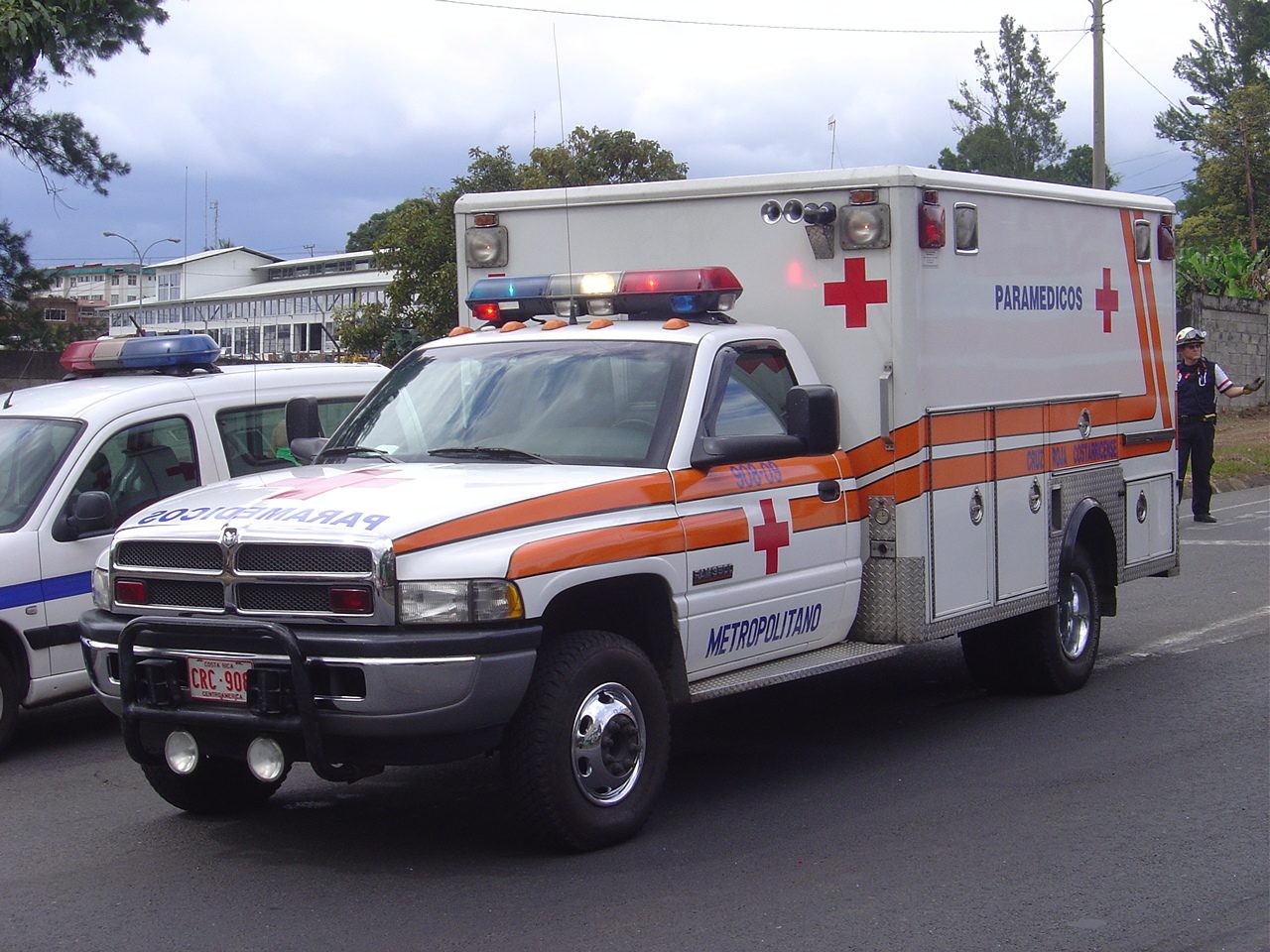
Costa Rica runs a universal public system, the Caja, which legal residents pay into and use, including for pediatric care. Playas del Coco has a local public clinic for routine needs, and and the public hospital for our region is in Liberia, the provincial capital, a straightforward drive inland. On the private side, Hospital San Rafael Arcángel in Liberia handles consultations, imaging, and emergencies, and many expat families carry private insurance to use it. Complex specialty care is still concentrated in San José's large private hospitals.
Routine pediatric visits, dental work, and pharmacies are affordable compared with the United States. For anything involving residency status and Caja enrollment, confirm the current rules with a licensed attorney, since requirements change and we do not give legal advice.
What is daily life actually like for kids here?
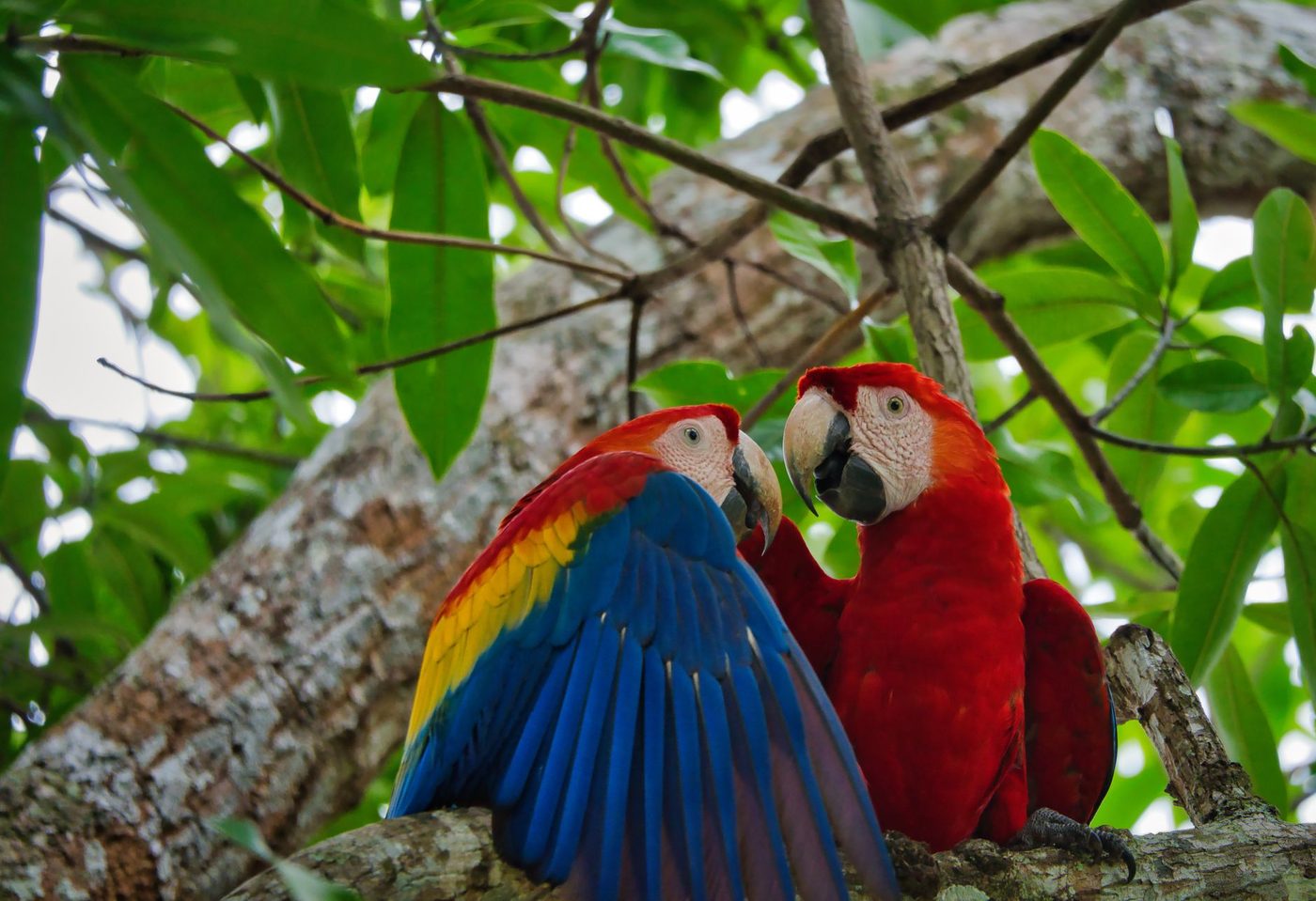
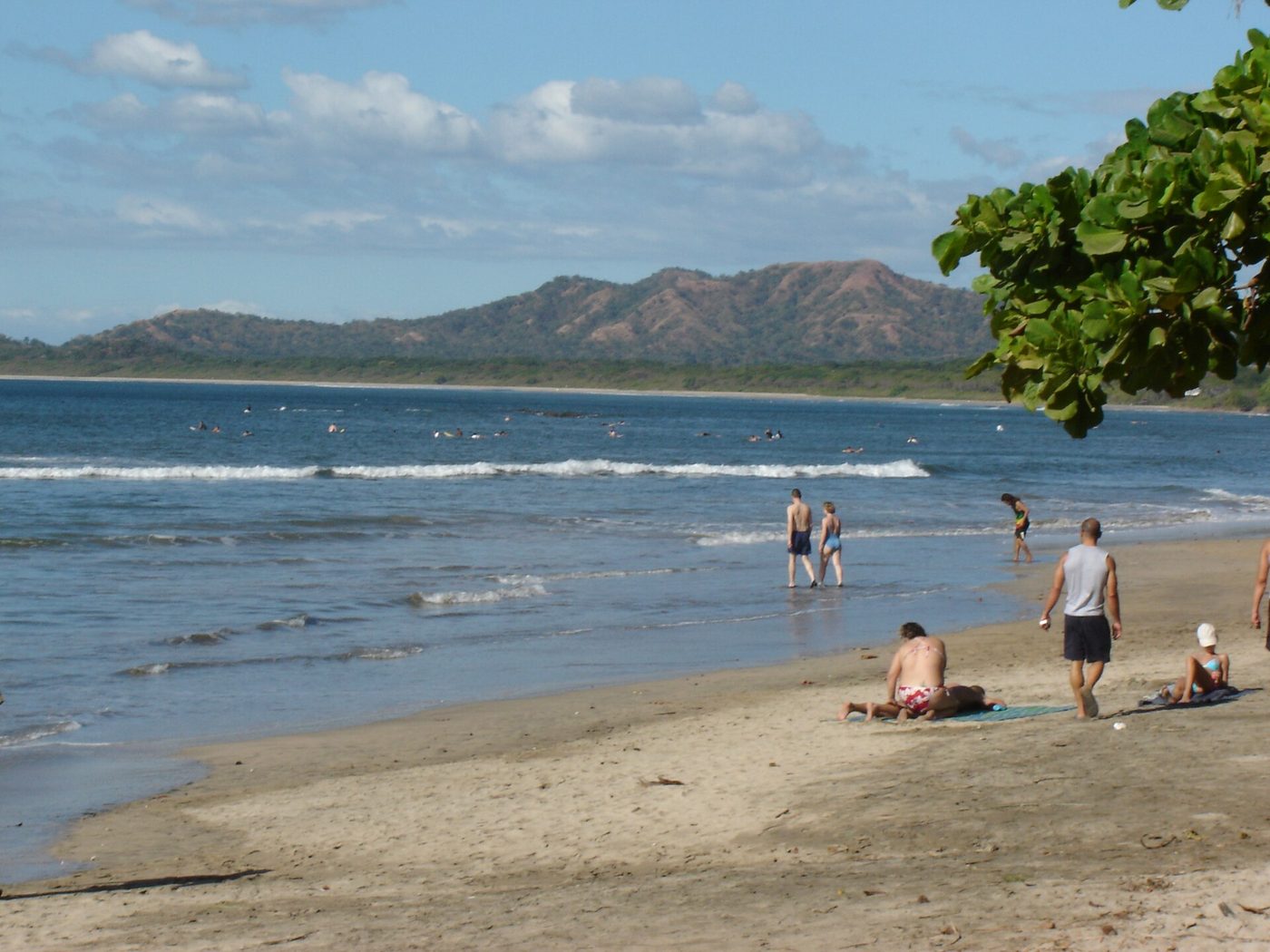
This is the part that sells families, and honestly it sold us. Childhood in Coco happens outside. Kids surf before school, chase hermit crabs at low tide, and grow up seeing howler monkeys, parrots, and iguanas as ordinary neighbors. Many schools build swimming and surfing into physical education. Weekends mean volcanoes, waterfalls, and national parks within a couple of hours' drive. Screen time still exists, of course, but it competes with a beach at the end of the street, and the beach usually wins.
The culture helps as much as the geography. Costa Ricans are openly affectionate toward children, and family shows up everywhere in public life. The country even celebrates a national Children's Day (Día del Niño) every September, complete with school parties and community events. Expat kids in Coco tend to end up bilingual and bicultural, with friend groups that mix Tico and international families. For a lot of parents we work with, that mix is the whole point of raising kids in Costa Rica.
What are the honest tradeoffs?
Raising kids in Costa Rica is not all surf lessons and sunsets, and we win trust by telling you what this place is not. So here it is:
- School commutes. Only Lakeside is genuinely close to Coco. CRIA, La Paz, and Journey all mean serious daily driving or bus time.
- Cost. International school tuition plus private insurance can rival a mortgage payment. Budget for it before you fall in love with a listing. Our post on the cost of living in Costa Rica is a good starting point.
- Teen life. Coco is a small beach town. Little kids thrive; teenagers sometimes find it quiet, and most university-bound students eventually study in San José or abroad.
- Heat and seasons. Guanacaste's dry season is hot and dusty, and the green season brings heavy afternoon rain. Kids adapt fast. Some parents take longer.
- Paperwork patience. School enrollment, residency, and Caja registration all involve documents, apostilles, and waiting. Start early and use professionals.
How do families usually make the move work?
The pattern we see succeed: visit during both seasons, shortlist schools before you shortlist houses, rent for six months to a year in a neighborhood near your school of choice, and then buy once the routine is proven. Coco and Ocotal work well for families because the towns are compact, the expat community is established, and Liberia's international airport is close for visits from grandparents. You can read more about the area in our Playas del Coco guide.
If you are thinking about moving here with kids, we are happy to talk through neighborhoods, school runs, and which homes actually work for family life, since we manage 60+ rentals here and know these streets. Browse our current properties or send us a message on WhatsApp through our contact page, and we will give you straight answers.
Frequently asked questions
Are there international schools near Playas del Coco?
Yes. Lakeside International School in nearby Sardinal serves pre-K through 12th grade, and CRIA, a US-accredited school with Advanced Placement courses, operates near Brasilito. La Paz Community School near Flamingo and Journey School in Tamarindo are both IB World Schools. Commute times vary a lot, so visit campuses and drive the route before you commit.
Can expat kids attend public school in Costa Rica?
Yes. Public school is free and taught in Spanish, which helps younger children become fluent quickly. The 2026 school year runs from February 23 to December 9, with a mid-year break in July. Bring school and vaccination records from home, and confirm enrollment requirements with the local school and a licensed attorney if your residency is still in process.
Is Playas del Coco a good place to raise a family?
We think so, and we live here. Kids grow up outdoors, the town is compact, and Costa Rica ranked 54th worldwide and 4th in the Americas in the 2025 Global Peace Index. It is still a small beach town: teenagers have fewer options than in a city, and most international schools involve a daily commute.
Cover photo: Mariordo Mario Roberto Duran Ortiz, CC BY-SA 3.0, via Wikimedia Commons · Photo: Ll1324, CC0, via Wikimedia Commons