Eating Out vs Cooking In: Food Costs on the Gold Coast
What restaurant meals, groceries, and feria produce really cost around Playas del Coco in 2026.
Cooking at home in Playas del Coco costs about half of what eating out does, once you add the 13% tax and 10% service charge on every restaurant bill. Food costs in Costa Rica depend less on where you live than on how you shop: sodas and the feria keep budgets low, imported goods and tourist menus push them up.
What do restaurant meals cost in Playas del Coco?
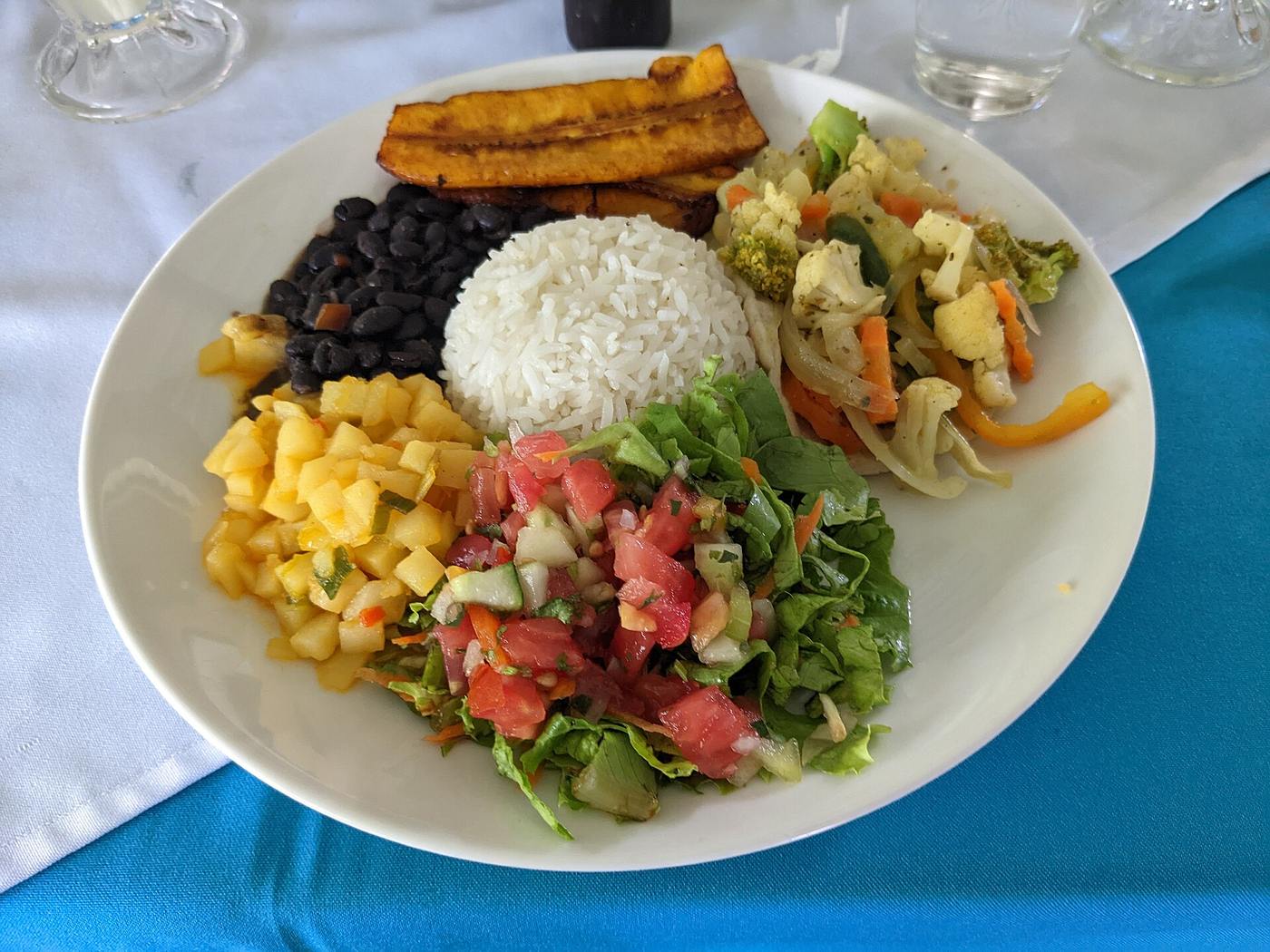
Think of restaurant prices in Playas del Coco in three tiers. At the bottom are the sodas, the small family-run kitchens where a casado (rice, beans, salad, plantains, and a protein) is the standard lunch. In the middle are the casual restaurants that locals and expats both use for date nights. At the top are the beachfront and hotel restaurants priced for vacationers.
For a current baseline, Numbeo's Costa Rica data (last updated August 5, 2026, from more than 1,200 contributor entries) puts a meal at an inexpensive restaurant at 5,000 colones, a three-course meal for two at a mid-range restaurant at 25,000 colones, a pint of local beer at 1,500 colones, and a cappuccino at about 2,000 colones. At the current exchange rate of roughly 455 colones per US dollar, that is about $11 for a simple meal, $55 for the mid-range dinner for two, $3.30 for the beer, and $4.40 for the coffee.
Those are national averages, so apply a Coco filter. A soda a few blocks off the beach here still lands close to that 5,000 colon mark. A beachfront dinner with cocktails does not. On the main strip in high season, two people can easily spend double the national mid-range figure. We will not pretend otherwise: Coco is a tourist beach town, and the water-view tables are priced like it.
Why is your bill 23% higher than the menu price?
Costa Rican restaurant bills carry two additions that surprise newcomers. First, the national value added tax (IVA): PwC's Costa Rica tax summary confirms the standard rate is 13%. Second, a 10% service charge that restaurants add by law. Travel guides like Frommer's flag the same math we see on every receipt: the two together add 23% to the menu price unless the menu already says taxes are included ("impuestos incluidos").
The upside is that tipping is simple. The 10% service is the tip, legally speaking. Many people leave a little extra cash for great service, and the staff appreciate it, but nobody expects a North American 20% on top. As always with tax rules, confirm the current rates with a licensed accountant if the details matter to your planning.
What do groceries cost in Guanacaste?
Using the same dated Numbeo dataset, staple prices look like this: a liter of milk at 1,074 colones (about $2.40), a dozen eggs at 1,797 colones (about $4), a pound of white rice at 558 colones (about $1.25), a pound of chicken fillets at 2,093 colones (about $4.60), a pound of local cheese at 2,045 colones (about $4.50), bananas at 355 colones a pound (under $1), and tomatoes at 685 colones a pound (about $1.50).
Two things shape your real grocery bill more than any average. The first is the store you choose. In and around Coco you can shop budget chains for staples or a full-service supermarket for the widest selection, and the same cart can differ noticeably between them. The second is how much imported food you buy. Your favorite US cereal, wine, or aged cheddar crossed an ocean to get here, and the price shows it. Local eggs, beans, rice, and fruit did not.
Tax policy quietly helps home cooks too. While most goods carry the standard 13% IVA, Costa Rica applies a reduced 1% rate to basic-consumption foods, per the same PwC summary. Restaurant meals never get that break.
Is the feria really cheaper than the supermarket?
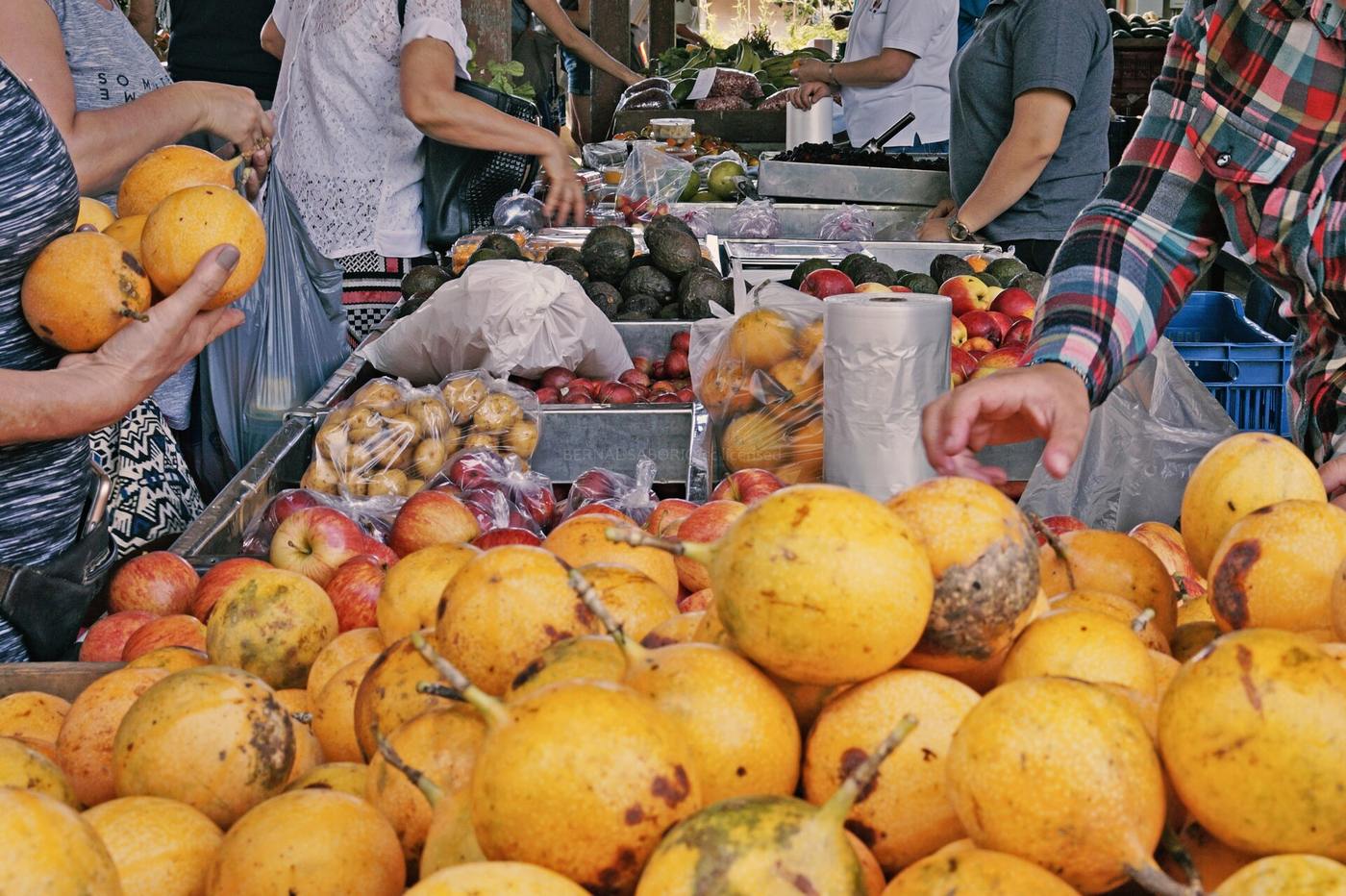
For produce, usually yes, and the quality argument is even stronger than the price argument. Costa Rica runs weekend ferias del agricultor (farmers markets) all over the country, and Guanacaste has several within reach of Coco. Buy what is in season and abundance works in your favor: in mango season the boxes practically overflow, and pineapples, papayas, and watermelon are reliably cheap year-round. Imported apples and berries are the expensive outliers, at the feria and everywhere else.
Our practical feria advice after years of Saturday mornings: go early for the best selection, bring small bills and a reusable bag, and learn the vendors' names. Prices are marked or quoted fairly; this is not a haggling culture. Ask us and we will point you to the current market days near Coco, since schedules do shift.
Eating out vs cooking in: what does a month actually look like?
Simple arithmetic from the verified numbers above tells the story. Eat a 5,000 colon casado lunch out every day and that habit alone runs about 150,000 colones a month, roughly $330. Add one mid-range dinner for two each week at 25,000 colones and you are near 250,000 colones, about $550, before breakfasts, drinks, or a single beachfront splurge.
A couple who cooks most meals from feria produce and local staples can cover their core grocery list for meaningfully less than a restaurant-heavy month, especially once the 23% in tax and service on every restaurant bill is counted. We see the pattern with our own team and with the owners we work with: food costs in Costa Rica are less about the country and more about the ratio of restaurant nights to home-cooked ones.
The honest caveat: Coco is not the cheapest place in Costa Rica to eat. The Central Valley beats the beach towns on almost every food price, because tourism pulls menus up. What Coco gives you in exchange is the ocean, and a genuine range: you can spend $11 on lunch or $110 on dinner for two within the same three blocks.
How do we keep food costs down on the Gold Coast?
- Eat your restaurant meal at lunch. The casado is the best food value in the country, and lunch menus at nicer places undercut their dinner prices.
- Shop the feria for produce and the supermarket for staples, and buy local brands where you can.
- Treat imported goods as treats. One or two favorites, not a cart full.
- Buy fish locally. Coco still has working fishermen, and fresh catch here costs less than it would at a supermarket counter back home.
- Use happy hours. Many Coco bars and restaurants discount drinks and appetizers in the late afternoon.
Food is one line in a bigger budget, and we have broken down the rest in our guide to the cost of living in Costa Rica and our notes on what to know before moving here. For the fuller picture of daily life in this corner of Guanacaste, see our expat guide to the Papagayo region.
If you are weighing a move to Playas del Coco, we are happy to talk real numbers from real life here, not brochure numbers. Ask us your budget questions, or browse current properties to see what your housing dollar buys alongside your grocery colones.
Frequently asked questions
How much does a meal cost in Playas del Coco?
A casado lunch at a local soda runs near the national average of 5,000 colones, about $11 at mid-2026 exchange rates. Mid-range restaurants average around 25,000 colones (about $55) for a three-course dinner for two, while beachfront tourist restaurants in Coco often charge well above those national averages, especially in high season.
Do you tip on top of the 10% service charge in Costa Rica?
No tip is expected beyond the 10% service charge that restaurants add by law, alongside the 13% IVA. The service charge legally functions as the tip. Many diners leave a small amount of extra cash for standout service, and staff appreciate it, but a North American style 15-20% tip is not the custom.
Is it cheaper to cook at home in Costa Rica?
Yes, usually by a wide margin. Local staples like rice, beans, eggs, and feria produce are inexpensive, and basic-consumption foods carry a reduced 1% VAT instead of the standard 13%. Restaurant meals add 23% in tax and service on top of menu prices, so a restaurant-heavy month costs far more than a home-cooking month.
Cover photo: Bernal Saborio, CC BY-SA 2.0, via Wikimedia Commons · Photo: Grendelkhan, CC BY-SA 4.0, via Wikimedia Commons