Exploring Guanacaste, Costa Rica Real Estate: Your Gateway to Paradise
A 2026 look at who can buy in Guanacaste, what it costs, and what the market really offers.
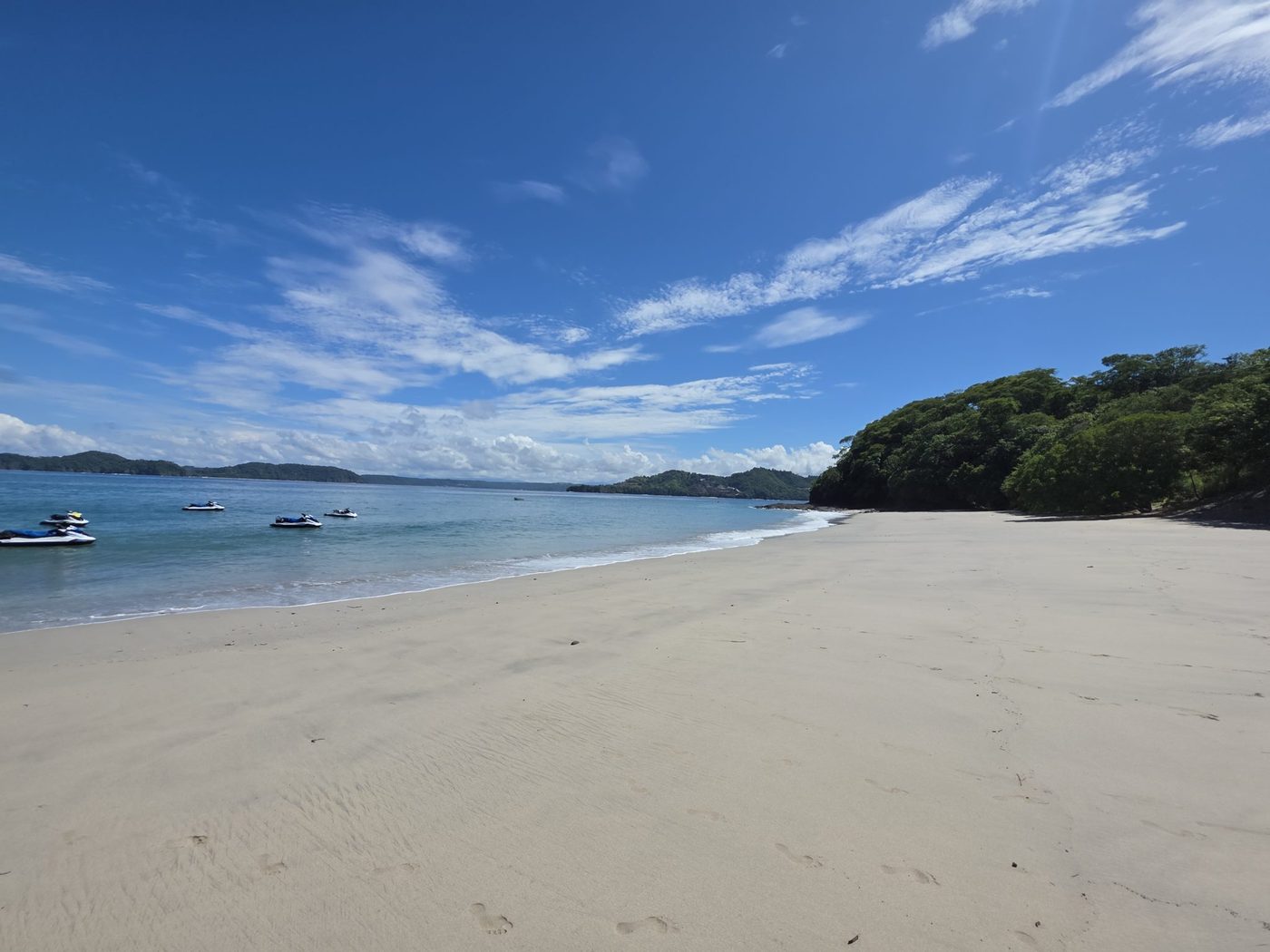
Guanacaste, Costa Rica real estate remains one of the most active markets in Central America for North American buyers. Foreigners can own titled property outright with the same rights as citizens, annual property tax is 0.25%, and Liberia's international airport keeps the coast easy to reach. Here is what the market actually looks like in 2026.
Why do buyers keep choosing Guanacaste?
Three practical reasons come up in almost every conversation we have with buyers.
First, access. Guanacaste Airport in Liberia (LIR) handled about 1.9 million passengers in 2024, a record for the airport, with nonstop flights from cities across the United States, Canada, and Europe. From the airport you can be on the beach in Playas del Coco in well under an hour. That single fact drives a lot of the vacation rental demand in this corner of the province.
Second, climate. Guanacaste sits in Costa Rica's tropical dry zone. From roughly late November through April you get day after day of sun, which is exactly when snowbirds want to be here. The green season (May through November) brings afternoon rain, greener hills, and quieter beaches.
Third, the towns themselves. Tamarindo, Flamingo, Playa Hermosa, Las Catalinas, and our home base of Playas del Coco each have their own character. Coco is a real, working Costa Rican town with a large expat community, walkable restaurants, and services you actually need day to day. We wrote a full comparison in what makes Playas del Coco different from other Guanacaste beach towns.
What kinds of property can you buy in Guanacaste?
The range is wider than most first-time visitors expect:
- Ocean-view homes and villas. Hillside neighborhoods above Coco, Ocotal, and Playa Hermosa offer big Pacific views without beachfront legal complexity.
- Condos. The most common entry point for rental investors. Gated communities with pools, from modest two-bedroom units to high-end resort residences.
- Building lots. Titled lots in and around town, often with services already at the street.
- Farms and acreage. Inland areas like Sardinal, Santa Cruz, and Curubande offer land at prices the coast has not seen in years.
- Commercial property. Hotels, restaurants, and mixed-use buildings serving a tourism economy that keeps growing with the airport.
You can see what is on the market right now on our properties page; we keep it current ourselves.
Can foreigners really own property in Guanacaste?
Yes, with one important exception. For titled (fee simple) property, foreigners have the same ownership rights as Costa Rican citizens. You do not need residency, a local partner, or citizenship to hold title in your own name.
The exception is the maritime zone. The first 200 meters inland from the high tide line is national patrimony under Costa Rica's Maritime Zone Law. The first 50 meters is public and cannot be owned by anyone. The next 150 meters is typically held by concession (a long-term lease from the municipality), and concessions carry real restrictions for foreigners: generally five years of residency for an individual, and a company holding a concession cannot be majority foreign-owned. Some beachfront in Guanacaste is titled thanks to older grants, but you must verify which is which before you fall in love with a listing. We explain the difference in detail in concession vs. titled properties, and a licensed Costa Rican attorney should confirm the status of any specific parcel.
What taxes and costs should you plan for?
Costa Rica's carrying costs are low by North American standards, and that is one of the quiet advantages of owning here:
- Annual property tax: 0.25% of the registered value, paid to the municipality. On a $300,000 registered value that is $750 a year.
- Transfer tax: 1.5% of the sale price or fiscal value, whichever is higher, paid at closing.
- Luxury home tax. Homes above a construction-value threshold pay an additional annual solidarity tax. The threshold and brackets adjust, so have your accountant confirm whether a property qualifies.
Both core rates are confirmed in PwC's Costa Rica tax summary, last reviewed in June 2026. Budget separately for legal fees, notary fees, and registration stamps at closing; your attorney will quote these up front. We do not give tax advice, and rules change, so confirm current figures with a licensed professional before you buy.
How does the buying process actually work?
The process is straightforward when you work with the right people, but it is not the same as buying in the US or Canada. There is no single mandatory MLS, so listings and pricing vary in quality. Due diligence is where deals are won or lost: title search, survey verification, water availability, and permits all need independent confirmation. Funds typically move through a regulated escrow company.
Financing is the biggest adjustment for most buyers. Local bank mortgages for non-residents are limited and slow. Most purchases are cash, home-country financing (such as a HELOC), or seller financing on negotiated terms. Plan your funding before you fly down.
Our step-by-step walkthrough is in how to buy a home in Costa Rica, and it pairs well with our post on why a good lawyer is essential.
What is Guanacaste not?
We live here, so we will be honest about the tradeoffs.
It is not cheap anymore. The days of $100,000 ocean-view homes are gone in the beach towns; the value today is in appreciation potential, rental income, and low carrying costs, not bargain-basement pricing. It is not lush year-round either: March and April are hot, dry, and dusty before the rains return. Infrastructure is improving but uneven, so water availability is a standard due diligence item on lots and new construction, not a detail to skip. And if you want big-city amenities every day, Liberia is the provincial hub, not a metropolis; San Jose is about four hours by road.
None of that scares off the buyers who do their homework. It just means the homework matters.
Does buying property here help with residency?
It can. Costa Rica's investor (inversionista) residency category requires a qualifying investment of at least US $150,000, reduced from $200,000 under Law 9996 in 2021, and registered real estate is one of the qualifying assets. That makes a Guanacaste home a common route to temporary residency, which can later lead to permanent residency. Requirements and processing details change, so treat this as a starting point and work through a residency attorney rather than relying on any blog post, including ours.
Ready to look at Guanacaste for yourself?
The best next step is simple: come spend time here in more than one town, in more than one season if you can. When you are ready, browse our current listings, or send us a message on WhatsApp and tell us what you are looking for. We are a small team based in Playas del Coco, we manage 60+ vacation rentals in Coco and Ocotal, and we are happy to tell you honestly whether Guanacaste fits your plans.
Frequently asked questions
Can foreigners buy real estate in Guanacaste, Costa Rica?
Yes. Foreigners can hold titled property in Guanacaste with the same ownership rights as Costa Rican citizens, and no residency is required. The exception is the maritime zone: the first 200 meters from the high tide line is public or concession land, and concessions carry residency and ownership restrictions for foreigners. Always verify title status with a local attorney.
How much is property tax in Guanacaste, Costa Rica?
Annual property tax throughout Costa Rica is 0.25% of the registered municipal value, so a home registered at $300,000 pays about $750 per year. Buyers also pay a 1.5% transfer tax at closing, and higher-value homes may owe an additional annual luxury home (solidarity) tax. Confirm current figures with a licensed accountant before purchasing.
Does buying property in Guanacaste qualify me for Costa Rican residency?
It can. Costa Rica's investor residency category accepts a qualifying investment of at least US $150,000, and registered real estate counts, so many Guanacaste buyers use their home purchase to apply for temporary residency. That status can later lead to permanent residency. Requirements change, so work with a residency attorney to confirm the current rules and process.
Cover photo: sebasbarque, CC0 1.0, via Openverse · Photo: Guacamolio, CC BY-SA 4.0, via Wikimedia Commons