
Grocery Shopping in Playas del Coco: Where Locals and Expats Buy
Every supermarket in town, what each one is good for, and when the drive to Liberia pays off.
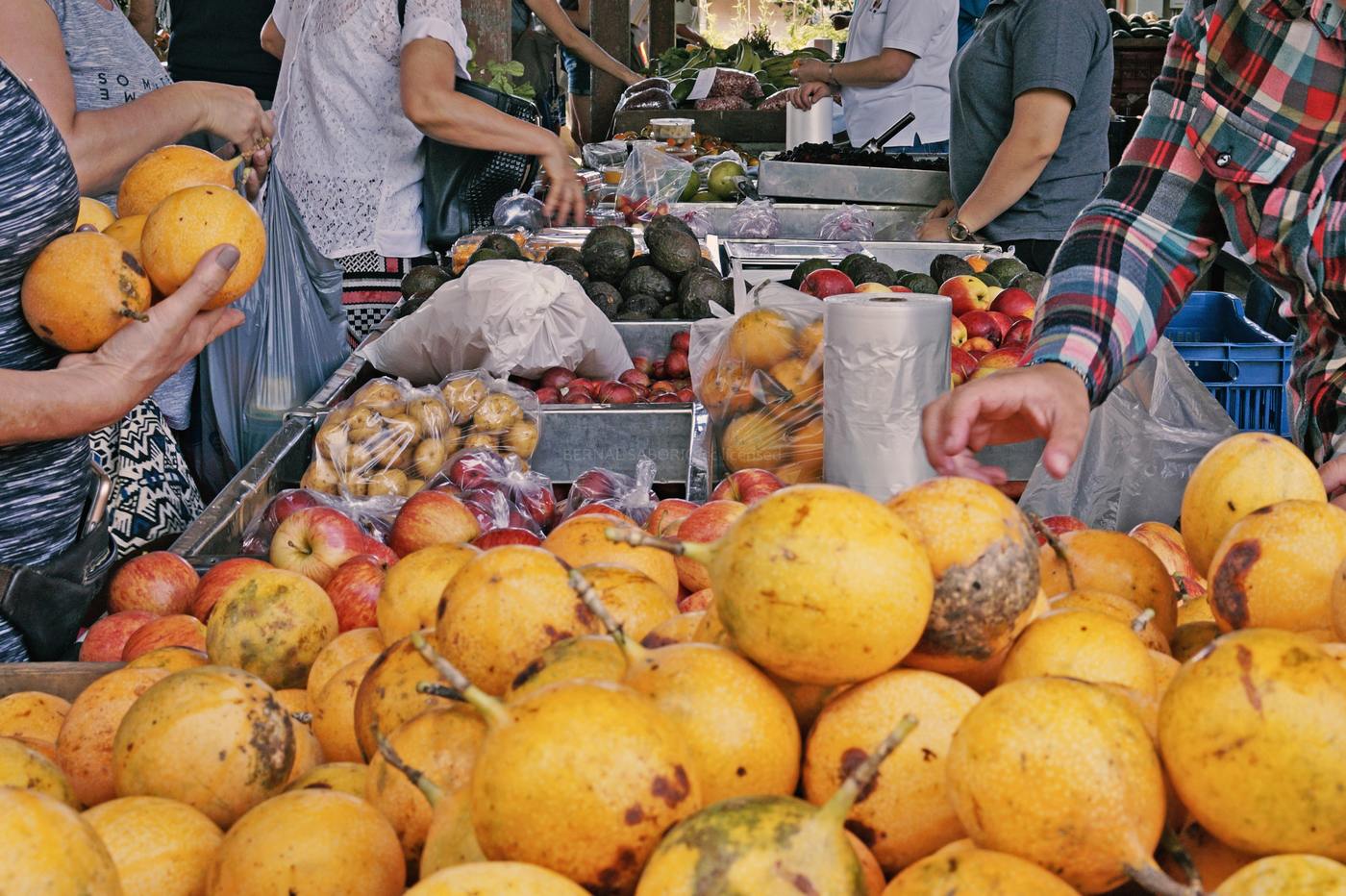
The grocery stores in Playas del Coco cover every budget: Auto Mercado for premium and imported goods, Super Compro in the center of town, Luperon for bulk staples, and the budget chains Maxi Pali and Mega Super. A small Sunday market adds local produce and baked goods, and Walmart and PriceSmart in Liberia handle the big stock-up runs.
We live and shop here year round, and our team is in these stores every week keeping the vacation homes we manage in Coco and Ocotal supplied. This guide walks through the grocery stores in Playas del Coco one by one, covers what each is good for, shares what a few things cost right now, and explains when a drive to Liberia makes sense.
Which grocery stores are in Playas del Coco?
For a town of its size, Coco is unusually well supplied. From most rentals and condos you can reach at least one supermarket in a ten minute walk. Here is how we would describe each store to a new arrival.
Auto Mercado: the premium option
Auto Mercado is Costa Rica's upscale supermarket chain, and the El Coco branch sits in the Pacifico Village commercial center on the main road into town. This is where you find imported cheeses, a real deli counter, a serious wine aisle, gluten free products, and most of the brands North Americans miss from home. The quality is excellent, and so are the prices. Expect to pay noticeably more here than anywhere else in town. Most expat households use it for the specific items they cannot find elsewhere rather than for the whole weekly cart.
Super Compro: the downtown workhorse
Super Compro sits in the center of town near the corner where the main street meets the road to Ocotal, which makes it the closest supermarket to the beach. It is a plain, practical store with fair prices on everyday basics: rice, beans, dairy, snacks, cleaning supplies, and a modest produce section. If you are staying near the boardwalk, this is probably your store. There is an ATM inside, which is convenient on a shopping run.
Luperon: bulk staples and the occasional surprise
Luperon is a local market across the street from Auto Mercado. The selection is smaller than the chains, but it is a reliable stop for bulk rice and beans, fruit nectars, and the occasional hard-to-find item nobody else in town carries. Prices on staples are usually friendly, and plenty of locals do their shopping here, which is always a good sign.
Maxi Pali and Mega Super: the budget chains
Maxi Pali, one of the Walmart group's discount banners in Costa Rica, and Mega Super, over by the post office, round out the list. These are the low-price options, and the difference shows up fast on a full cart. Produce can be hit or miss and the imported selection is thin, but for pantry basics, drinks, and cleaning products they are the cheapest choices in town. Many local families do most of their shopping at these two, and so do plenty of full-time expats who watch their budgets.
Where do you buy fresh fruit and vegetables?
Every supermarket in town carries produce, but the more enjoyable answer is the market scene. Coco's Sunday market sets up at Hotel La Puerta del Sol, generally from about 9 a.m. to 2 p.m. It is a small market, sometimes under ten vendors in green season, but you will find organic produce, fresh baked goods, preserves, sauces, and local crafts. In high season it grows considerably. Go before noon, because the best items sell out.
Costa Rica's classic feria del agricultor, the weekly farmers market where growers sell direct to the public, is a bigger production than anything inside Coco itself. Liberia and the larger inland towns host full-scale ferias, and if you have a car it is worth building one into your monthly routine. Fruit and vegetables at a feria generally cost less than the same items in a supermarket, the selection follows the seasons, and buying a week of produce there is one of the small pleasures of living in Guanacaste.
Keep an eye out for roadside fruit trucks too. Watermelon, pineapple, mangoes in season, and pipas frias (chilled green coconuts) show up on the roadside all around the district, usually at prices that make the supermarket look silly.
Is it worth driving to Liberia to stock up?
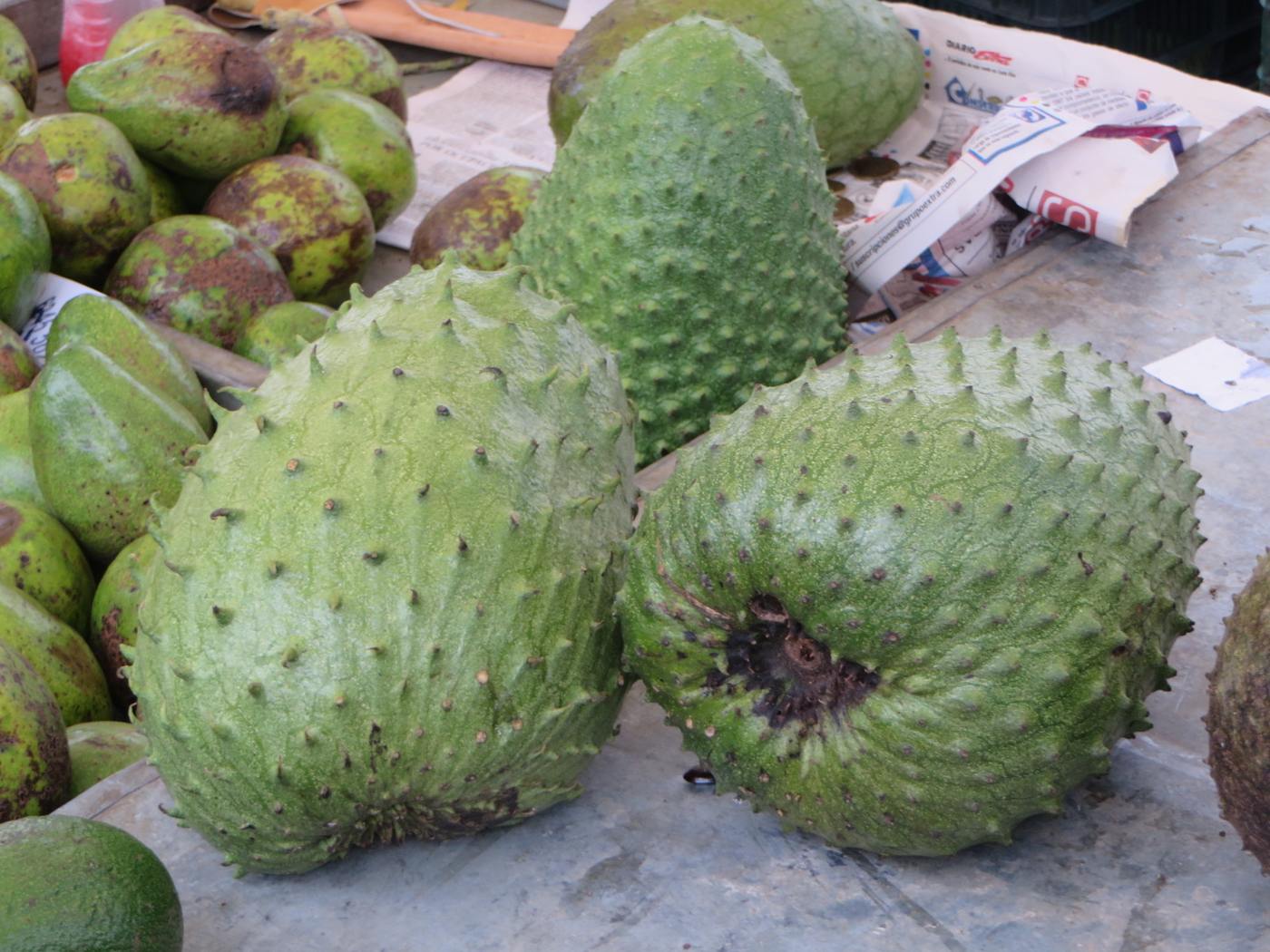
Yes, for most households, about once or twice a month. Liberia is roughly a 30 to 40 minute drive from Coco. The airport is about 23 kilometers away and the city sits just beyond it, so a grocery run pairs nicely with an airport pickup. Liberia has the two big-box stores Guanacaste shoppers rely on.
Walmart opened its Liberia store in July 2017, the chain's first Costa Rica location outside the Central Valley. It is a full Walmart with groceries, housewares, electronics, and a pharmacy. PriceSmart followed in June 2020 with a membership warehouse club, its eighth in the country. If you know Costco, you know the format: bulk sizes, rotating imported goods, and a membership card at the door.
The pattern most expat households settle into, ours included, is a Liberia run every few weeks for bulk and imported items, topped up locally with produce, dairy, and whatever the week demands. Owners of the vacation rentals we manage often schedule a PriceSmart run around guest turnovers to restock supplies economically.
What do groceries actually cost in Playas del Coco?
Local items are reasonable and imported items are not. That is the honest one-line summary. As of August 2026, crowd-sourced national averages on Numbeo put a liter of milk at about 1,075 colones and a dozen eggs at about 1,800 colones. Beach towns like Coco tend to run somewhat above national averages, and anything imported (cereal, wine, specialty cheese, name-brand snacks) can cost dramatically more than you would pay for the same product in the US or Canada.
The households that keep grocery bills low here shop the way Ticos do: rice, beans, eggs, chicken, and whatever fruit is in season, bought at the budget chains and the feria. The households that spend the most fill an Auto Mercado cart with the same brands they bought back home. Most of us land somewhere in the middle, and the balance you strike is a personal choice, not a moral one. For the bigger picture of monthly expenses, see our guide to the cost of living in Costa Rica.
How do locals and expats split their shopping in practice?
A typical week for a Coco household looks something like this:
- Weekly basics: Super Compro, Maxi Pali, or Mega Super for pantry staples, drinks, and household supplies.
- Produce: the Sunday market when it is running strong, a feria run when you can manage one, and supermarket produce in between.
- Specialty items: Auto Mercado for the deli counter, the wine aisle, and the imported brands you refuse to give up.
- Every few weeks: a Liberia trip for a Walmart or PriceSmart stock-up.
A few practical notes from our team. Shelf prices are marked in colones, and paying by card or in colones avoids fuzzy exchange-rate math at the register. Market and feria vendors prefer cash. Stores get crowded in the late afternoon and throughout high season, so mid-morning on a weekday is the calm window. If you are still planning your move, our guide on what to know before moving to Costa Rica covers the wider preparation, and our post on living in El Coco fills in the rest of daily life here.
One honest caveat
Coco is not a gourmet shopping destination, and we will not pretend otherwise. If your happiness depends on a specific brand of oat milk or an endless organic section, you will make substitutions here, or pay Auto Mercado prices, or wait for the Liberia run. What Coco gives you instead is year-round tropical fruit, fish sold close to the boats that caught it, five supermarkets within a small town, and a Sunday market where the vendors learn your name. Most people find that a fair trade within a month.
If you are weighing a move or a vacation home here, groceries turn out to be the easy part, and we can help with the rest. Browse our current listings, try the town first from one of our vacation rentals, or send us a message. We are happy to tell you what our own carts cost this month.
Looking to buy? Browse current Playas del Coco real estate from our local team.
Frequently asked questions
Does Playas del Coco have an Auto Mercado?
Yes. Auto Mercado's El Coco branch is in the Pacifico Village commercial center on the main road into town. It is the premium supermarket in the area, with imported products, a deli counter, and a large wine selection. Prices are the highest in town, so most residents use it for specialty items rather than the full weekly shop.
When is the farmers market in Playas del Coco?
Coco's Sunday market runs at Hotel La Puerta del Sol, generally from about 9 a.m. to 2 p.m. It is small in green season and much larger in high season, with produce, baked goods, preserves, and crafts. For a full-scale feria del agricultor, residents drive to Liberia or the larger inland towns.
Is grocery shopping expensive in Playas del Coco?
It depends on your cart. Local staples such as rice, beans, eggs, and seasonal fruit are affordable, while imported brands cost noticeably more than in the US or Canada. As of August 2026, Numbeo's national averages put a liter of milk near 1,075 colones and a dozen eggs near 1,800 colones. Shopping budget chains and ferias keeps bills low.
Cover photo: Bernal Saborio, CC BY-SA 2.0, via Wikimedia Commons · Photo: Spideog, CC BY-SA 4.0, via Wikimedia Commons