
Living in El Coco, Costa Rica: A Tropical Paradise Awaits
An honest look at daily life in Playas del Coco, from costs and healthcare to the tradeoffs nobody mentions.
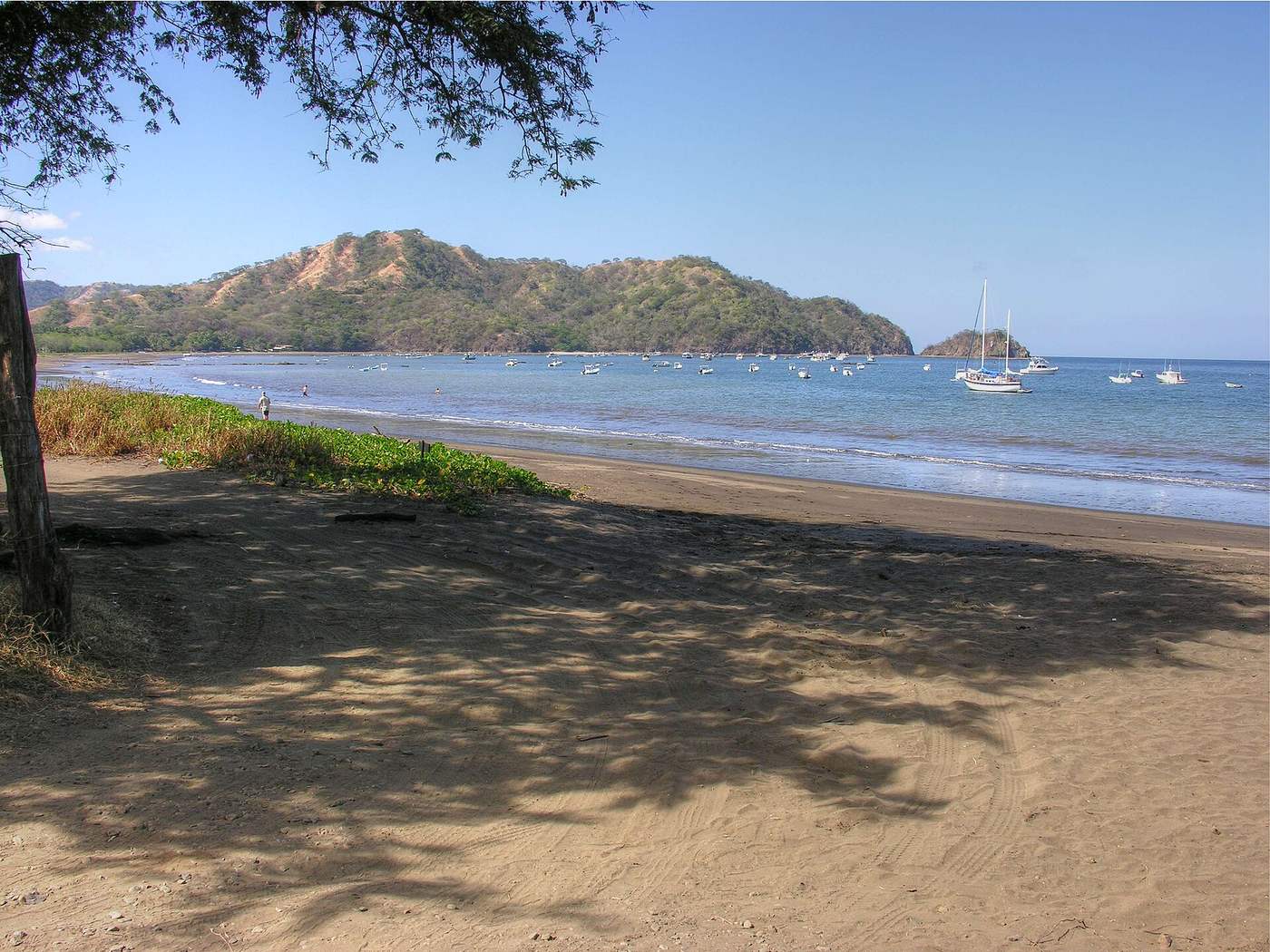
Living in El Coco, Costa Rica means small beach town life with real conveniences: a walkable center, a working fishing bay, supermarkets, banks, clinics, and an international airport about half an hour away. Expats from the United States, Canada, and Europe live here year round alongside Tico families. We live here too, and this is our honest picture of it.
What is daily life in El Coco actually like?
El Coco (officially Playas del Coco) runs on a beach town rhythm. Mornings start early, before the heat. Fishing boats head out from the bay, walkers and joggers take the beachfront boardwalk, and the sodas (small local restaurants) fill up with people having gallo pinto and coffee. By late afternoon everyone drifts back toward the water, because the Papagayo sunsets are genuinely the best free show in town.
What separates Coco from most Guanacaste beach towns is that it works as a full-time home, not just a vacation stop. The town has multiple supermarkets, banks, pharmacies, dental and medical clinics, hardware stores, gyms, and a long list of restaurants that stay open all year. You can handle almost every errand without leaving town. We compared Coco to its neighbors in detail in this post on what makes Coco different.
Who actually lives here?
Coco is an established Costa Rican town first. Local families have fished this bay for generations, and the church, the plaza, and the school anchor daily life the way they do everywhere in Costa Rica. Layered on top of that is one of the largest expat communities on the Gold Coast: retirees, remote workers, and families from North America and Europe, some here full time and some for the winter.
That mix matters day to day. English is widely spoken in restaurants, banks, and clinics, so new arrivals can function from day one. At the same time, this is not a gated bubble. Learning even basic Spanish changes your experience here, and your neighbors will notice the effort. Community life is easy to find: beach cleanups, charity events, pickleball and fitness groups, and the weekly rhythm of markets and live music.
How do you get here and get around?
This is one of Coco's biggest practical advantages. The town sits about 32 kilometers from Liberia, and the drive from Daniel Oduber Quiros International Airport (LIR) takes roughly half an hour on a fully paved road. Direct flights connect LIR to many US and Canadian hubs, which makes visits from family, and your own trips home, far easier than from most Costa Rican beach towns.
In town, many residents walk or use a bicycle or scooter for daily errands. A car becomes useful for big shopping runs to Liberia, beach hopping to Ocotal, Hermosa, and the Papagayo peninsula, and green season road trips. Taxis and buses cover the basics if you would rather not own a vehicle right away.
What does it cost to live in El Coco?
We will be straight with you: Costa Rica is not the bargain it was twenty years ago, and Coco is one of the more developed (and therefore pricier) beach towns in the country. Imported groceries, cars, and electronics often cost as much as they do in the US or more. Where you save is on local produce, fresh fish, domestic services, property taxes, and the simple fact that outdoor life here is mostly free.
Housing covers a wide range. Condos in established communities are the entry point, hillside homes with ocean views sit at the top, and long-term rentals in between let you test the town before you commit. Renting first is what we suggest to almost everyone. We break down real numbers and categories in our guide to the cost of living in Costa Rica, and current listings are on our properties page.

What about healthcare?
Healthcare is a real strength of living in El Coco. Legal residents join the Caja, Costa Rica's public healthcare system, and many expats pair it with private care because private consultations are affordable by North American standards. In town you will find private clinics, pharmacies, dentists, and labs. For bigger needs, Liberia has both public and private hospital options about half an hour away, and San Jose's major private hospitals are reachable for planned procedures. Check how your current insurance treats overseas care before you move, and budget for a private policy if you will not have residency at first.
Is El Coco safe?
We consider Coco a comfortable place to live, and thousands of expats agree, but we will not tell you crime does not exist. Like every busy beach town, the main issue is petty theft of unattended items: do not leave a phone on a beach towel or valuables visible in a parked car. Homes in managed communities with basic security measures rarely have problems. Ask around, talk to residents, and walk the town at night yourself before you decide. Honest local information beats internet forums every time.
What are the honest downsides?
Every place has tradeoffs, and we would rather you hear Coco's from us:
- It is hot and dry. Guanacaste's dry season (roughly December through April) brings months of sun, heat, dust, and brown hillsides. If you are picturing year-round lush jungle, that is the southern zone, not here.
- The sand is dark, not white. Coco's beach is gray volcanic sand. It is a lively, beautiful working bay, but postcard white sand is a short drive away, not underfoot.
- It is not a surf town. The bay is calm and protected. Great for swimming, paddleboarding, and boats. Surfers drive to Tamarindo or take boat trips to Witch's Rock.
- High season gets busy. December through April brings traffic on the main road, fuller restaurants, and more noise near the center. Many residents love the energy; others time their errands around it.
How long can you stay, and what about residency?
Since late 2023, visa-exempt visitors from countries like the US and Canada can be granted stays of up to 180 days per entry, at the discretion of the immigration officer, as reported by immigration firm Fragomen. That single change made part-time life in Coco far simpler. We covered it when it happened in our post on the 180-day tourist stay.
For permanent moves, the most common routes are the pensionado (retiree), rentista (fixed income), and inversionista (investor) categories. The investor route currently requires an investment of at least US$150,000, and registered real estate counts, per Fragomen's residency guide. Be aware that the separate package of tax incentives created by Law 9996 had a five-year window that closed in July 2026, so the rules are in flux this year. We are not attorneys and this is not legal advice: confirm current requirements and thresholds with a licensed Costa Rican immigration attorney before you make plans around them.
Ready to see what living in El Coco could look like for you?
Our best advice has not changed in years: come and stay a while, ideally once in high season and once in the green season. Rent, live like a resident for a month, and see how the town fits. We are Expat Properties | CR, we live here, and we manage 60+ vacation rentals in Coco and Ocotal, so we can help you test the waters before you buy. Browse our rentals and properties for sale, or send us a message and we will answer the questions this post did not.
Looking to buy? Browse current Playas del Coco real estate from our local team.
Frequently asked questions
How far is Playas del Coco from Liberia International Airport?
Playas del Coco sits about 32 kilometers from Liberia, and the drive from Daniel Oduber Quiros International Airport (LIR) takes roughly half an hour on paved roads. Direct flights link LIR to many US and Canadian cities, which makes Coco one of the easiest Costa Rican beach towns to reach from North America.
Can I live in El Coco without Costa Rican residency?
Many people do, part time. Visa-exempt visitors from countries like the US and Canada can be granted up to 180 days per entry, at the immigration officer's discretion. For a permanent move you will eventually want residency, through the pensionado, rentista, or investor categories. Confirm current rules with a licensed immigration attorney.
Is El Coco a good place to retire?
For many retirees, yes. The town is walkable, healthcare and services are close, the airport is about half an hour away, and the expat community is large and active. The tradeoffs are real heat and dryness from December through April and a busy high season. Visit in both seasons before deciding.
Cover photo: MongeNajera, CC BY-SA 3.0, via Wikimedia Commons · Photo: Andrés Benavente, CC BY-SA 4.0, via Wikimedia Commons