The 15 Essentials Everyone Ends Up Buying After Moving to Costa Rica
The after-arrival shopping list we wish someone had handed us on day one in Guanacaste.

After moving to Costa Rica, most expats end up buying the same 15 essentials: fans, a dehumidifier, surge protectors, airtight containers, a good blender, mosquito defenses, flashlights, a proper cooler, rain gear, reef-safe sunscreen, water storage, bedding you love, a used 4x4, a hammock, and Spanish lessons. Almost none of it fits in a suitcase.
We have watched this list repeat itself for years in Playas del Coco. New arrivals land with carefully packed bags, and within three months their homes fill up with the same fifteen purchases. Our Costa Rica packing list covers what goes in the suitcase. This is the other list: what you buy once you are actually here. If you are still in the planning stage, our guide on what to know before moving to Costa Rica pairs well with it.
1. A fan for every room, then a few more
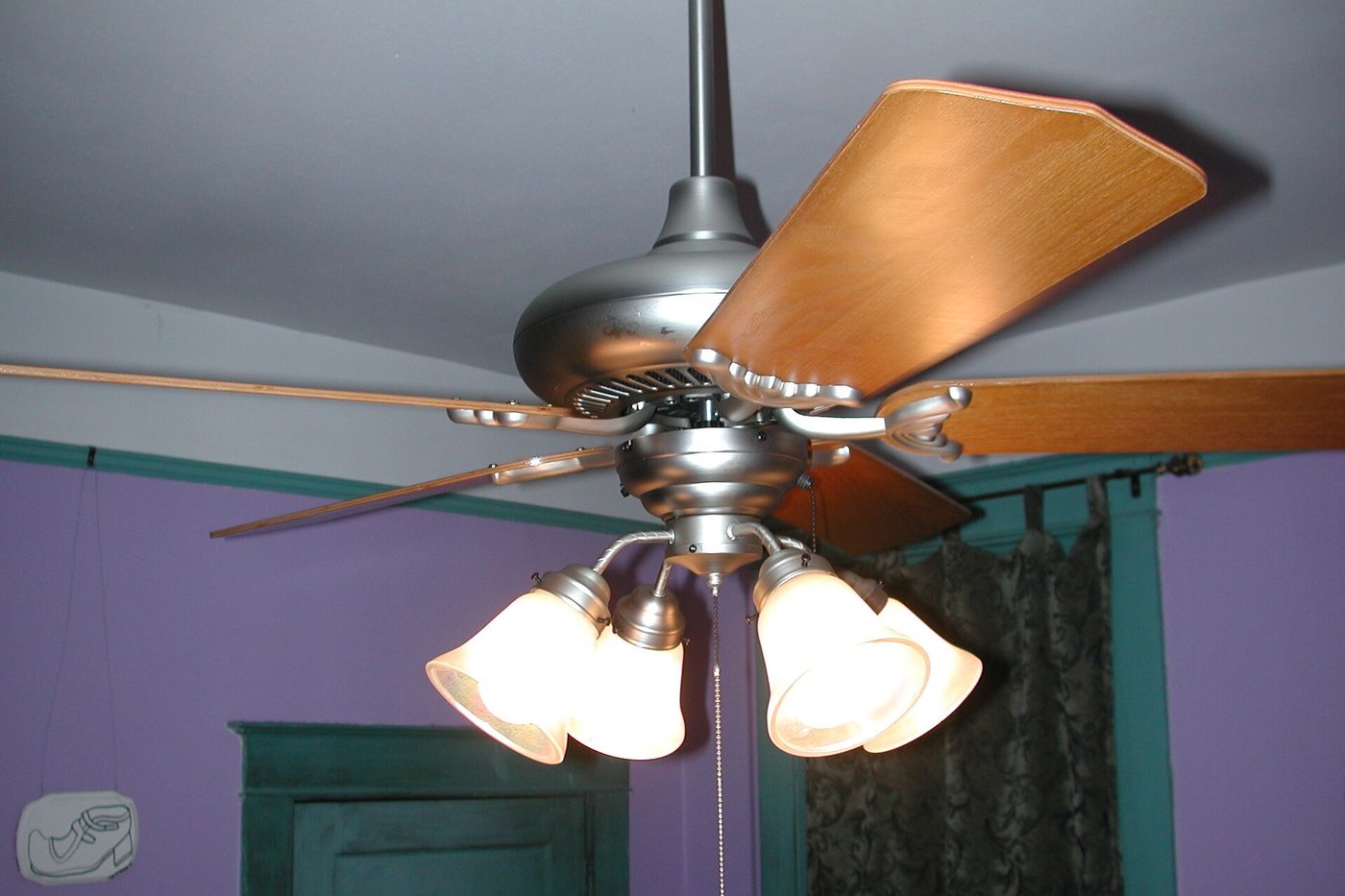
Guanacaste is the hottest, driest corner of the country, and air conditioning costs real money to run, so most of us save the AC for bedrooms at night. Ceiling fans and standing fans handle the rest of the day. New arrivals usually start with one fan and end up with four or five, including one dedicated to the porch. We break down utility costs in our post on the cost of living in Costa Rica.
2. A dehumidifier and a stack of moisture absorbers
The surprise is not the heat, it is the humidity of the green season. Costa Rica's official tourism board puts the Pacific rainy season at May through October, and during those months moisture creeps into closets, leather goods, cameras, and guitars. A small dehumidifier in the closed storage room, plus disposable moisture absorber tubs in every closet, saves your shoes from growing a fuzzy green coat.
3. Surge protectors and a battery backup
Costa Rica runs on 120 volts at 60 Hz with the same Type A and B plugs used in the United States and Canada, so your electronics plug straight in. What they are not used to is the occasional flicker when a September storm rolls through. Cheap surge protectors for the TV and fridge, plus a small battery backup for the router, keep storm season from eating your equipment or your video calls.
4. Airtight containers for the whole kitchen
Leave a cereal box open overnight and the ants will find it before you do. Humidity softens crackers and chips within a day. Every long-term expat kitchen we manage ends up with a wall of glass jars and clip-lock containers holding everything from rice to coffee to dog food. Buy more than you think you need. You will fill them.
5. A blender that can take a beating
Fruit here is cheap, ripe, and constant. Mangoes pile up in season, papayas never stop, and a cold fruit smoothie at three in the afternoon becomes a daily ritual. Bargain blenders die fast on frozen fruit and ice, so this is one purchase where spending more up front pays off. Ask any long-term resident how many cheap blenders they burned through before upgrading.
6. Mosquito defenses on several fronts
Screens on the windows, repellent by the door, and the famous rechargeable racket zapper that every household here eventually owns. A porch fan helps too, since mosquitoes are weak fliers. You will use all of it most in the rainy months, when standing water gives mosquitoes places to breed. Emptying saucers and buckets around the yard is the free habit that helps as much as anything you buy.
7. Flashlights, headlamps, and power banks
Power cuts here are usually brief, but they arrive unannounced, and beach town streets are dark once the sun drops at six. A flashlight in the kitchen drawer, a headlamp for dog walks, and a charged power bank cover almost every situation. You will also thank yourself the first time you need to check a breaker box during a downpour.
8. A proper cooler
The cooler is furniture in Guanacaste. It rides to the beach on weekends, holds the fish from a charter trip, chills drinks for every gathering, and serves as the backup fridge when you come home from a big shopping run. Buy a good one with real insulation. The thin foam models give up quickly in this heat.
9. Rain gear you will actually use
Forget the trench coat. Pacific rain concentrates in the afternoon and evening, arrives hard, and finishes fast. What works here: sandals or shoes that dry quickly, a light poncho that lives in the car, rubber boots for the garden, and a dry bag for your phone. September and October bring the heaviest rain, and that is exactly when the boots earn their keep.
10. Reef-safe sunscreen and rash guards
The sun is strong all year, including on cloudy days, and sunscreen in a beach town is rarely cheap. Most residents settle into a two-part system: rash guards and sun shirts for the beach and the boat, sunscreen for faces and gaps. When you find your preferred reef-safe brand at a good price, buy several. Your skin and the bay both benefit.
11. Water storage, from jugs to a tank
Coco and Ocotal see occasional water cuts, some announced and some not. Many homes and condo buildings already have storage tanks and pumps that bridge the gap. If your place does not, a few large jugs of drinking water in the pantry turn an inconvenient morning into a non-event. Ask about water storage when you view any property. We always do.
12. Bedding you actually love
Specialty sheets in specific sizes and fabrics can be hard to track down locally, which is why linens are one of the few things we tell people to pack rather than buy. Mattresses are the opposite: buy locally and skip shipping a bulky item through customs. Light, breathable cotton wins in this climate. Our post on what to leave behind when you move covers the reverse of this list.
13. A used 4x4, the big one
You can live in central Coco and walk to nearly everything. But the day trips that make Guanacaste special, the back road beaches and the green season creek crossings, reward high clearance and four wheel drive. Used vehicles hold their value here, so budget more than you would back home, and pay a trusted mechanic for a full inspection before money changes hands.
14. A hammock
It sounds like a cliche until you own one. Porch culture is real in Costa Rica, and the hammock is its throne. You will find them at roadside stands, ferias, and shops all over Guanacaste, in every color and price range. Hang it where the afternoon breeze comes through and your reading, napping, and phone-scrolling life improves immediately.
15. Spanish lessons
The purchase that pays back the most. Coco is friendly to English speakers, but banks, clinics, mechanics, and neighbors all get easier with even basic Spanish, and the effort earns real goodwill. Group classes, private tutors, and language apps all exist here. Pick whichever one you will actually stick with, and start before you think you are ready.
Where do people in Coco actually buy all this?
Hardware stores (ferreterias) and supermarkets in town cover the everyday items, Liberia handles the big-box runs, and the local expat groups are a steady source of secondhand everything, because departing households sell complete setups. Give yourself a month of living here before any major purchase. The town will teach you what you really need.
If you are still choosing the home all these essentials will go into, we can help with that part. Browse our current properties for sale, or send us a message and ask us anything about setting up life in Playas del Coco. We are Expat Properties | CR, we live here, and yes, we own the racket zapper too.
Frequently asked questions
Will my US or Canadian appliances work in Costa Rica?
Yes. Costa Rica uses 120 volts at 60 Hz with Type A and B plugs, the same standard as the United States and Canada, so phones, laptops, and small appliances plug straight in. No adapters or converters are needed. We still recommend surge protectors, since brief power flickers are common during rainy season storms.
Is it better to ship household goods to Costa Rica or buy them after arriving?
Most people we work with buy locally and pack only compact, hard-to-find items like quality linens and electronics. Shipping a container adds cost, paperwork, and import duties, and furnished homes are common here. Get quotes from a licensed shipper and compare against local prices before deciding. For many households, arriving light wins.
What should I buy in my first month in Costa Rica?
Start with comfort and protection: fans, surge protectors, airtight kitchen containers, mosquito defenses, and a flashlight or two. Add a dehumidifier before the May to October green season. Hold off on the big purchases, like a vehicle or furniture sets, until you have lived in the area a few weeks and know your real routine.
Cover photo: Ketut Subiyanto, Pexels · Photo: Bart Everson, CC BY 2.0, via Wikimedia Commons