The Colon and the Dollar: How Currency Works in Costa Rica
A plain guide to living with two currencies, from the team at Expat Properties | CR in Playas del Coco.
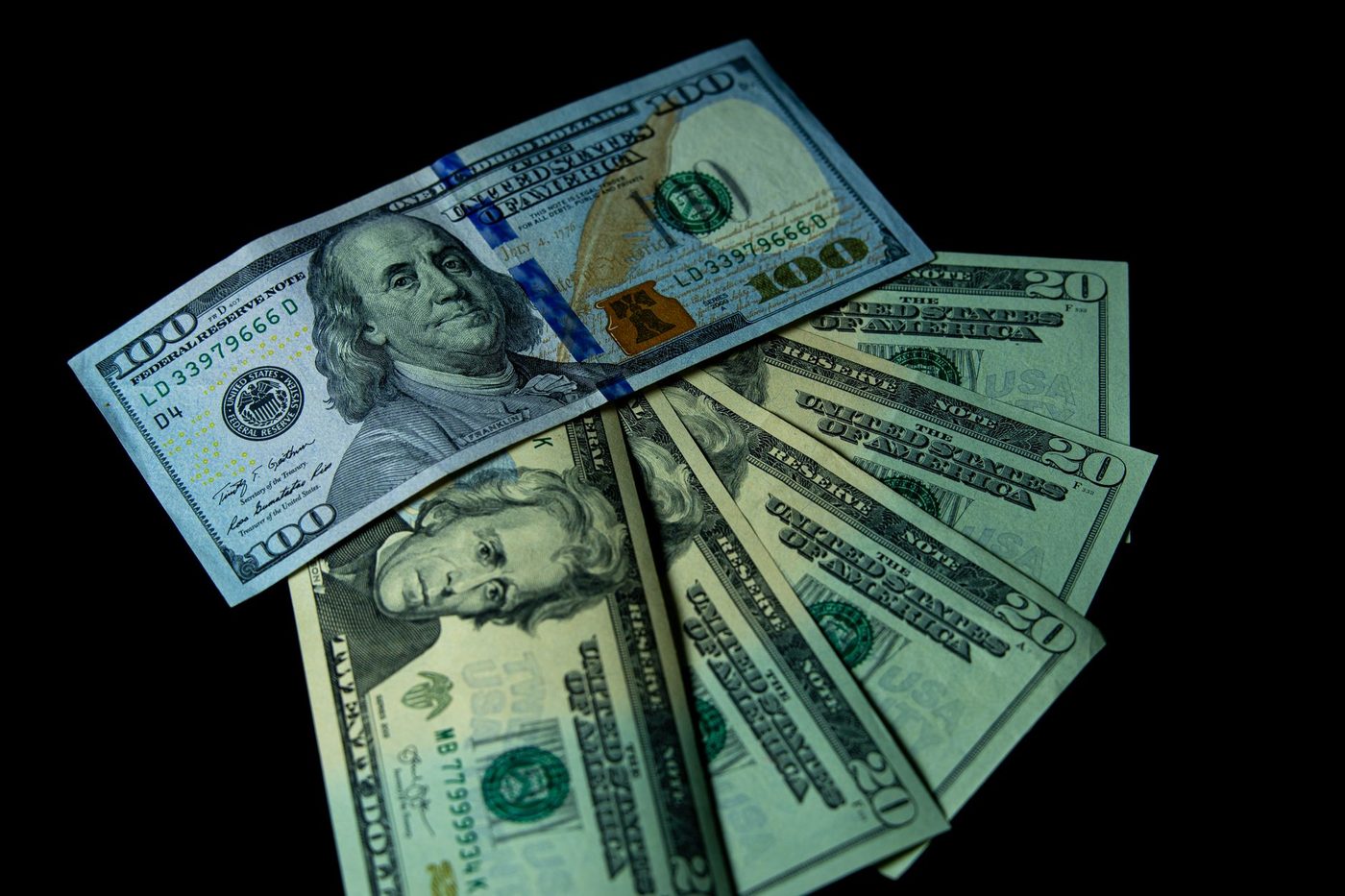
Costa Rica runs on two currencies at once. The official Costa Rica currency is the colon (plural colones), yet US dollars are accepted almost everywhere tourists and expats spend money, including here in Playas del Coco. As a rule, pay small daily expenses in colones and big-ticket items, including real estate, in dollars.
We live with both currencies every day, and we get this question from nearly every buyer and renter we work with. So here is the plain-language version of how Costa Rica currency actually works: what the colon is, what a dollar is worth right now, and when to hand over which one.
What is the colon, exactly?
The colon is named after Christopher Columbus, who is called Cristobal Colon in Spanish. It has been Costa Rica's money since 1896, when it replaced the old peso. The currency code is CRC and the symbol is a capital C with two slashes through it (₡).
Banknotes come in six denominations: 1,000, 2,000, 5,000, 10,000, 20,000, and 50,000 colones. The current series is printed on polymer (plastic) rather than paper, a change the Central Bank rolled out in 2020 and 2021, and the notes are some of the prettiest in the Americas: sloths, sharks, hummingbirds, and each note in a different bright color. Ticos still call the red 1,000 note "un rojo."
Coins in everyday use run from 10 colones up to 500 colones. The Central Bank has been retiring older coin series for years, and as of July 1, 2026 the smallest amount you can hand over in cash is 10 colones. If you kept coins from a trip a decade ago, some of them are no longer legal tender.
Can you use US dollars in Costa Rica?
Yes, and not just in theory. Costa Rica's official tourism board states plainly that US dollars are widely accepted, and that matches our daily experience in Guanacaste. Hotels, tour operators, most restaurants, and the big supermarkets in Coco will take dollars without blinking.
There are real limits, though, and this is where visitors get burned:
- Your change comes back in colones, converted at whatever rate the business chooses. That rate is rarely in your favor.
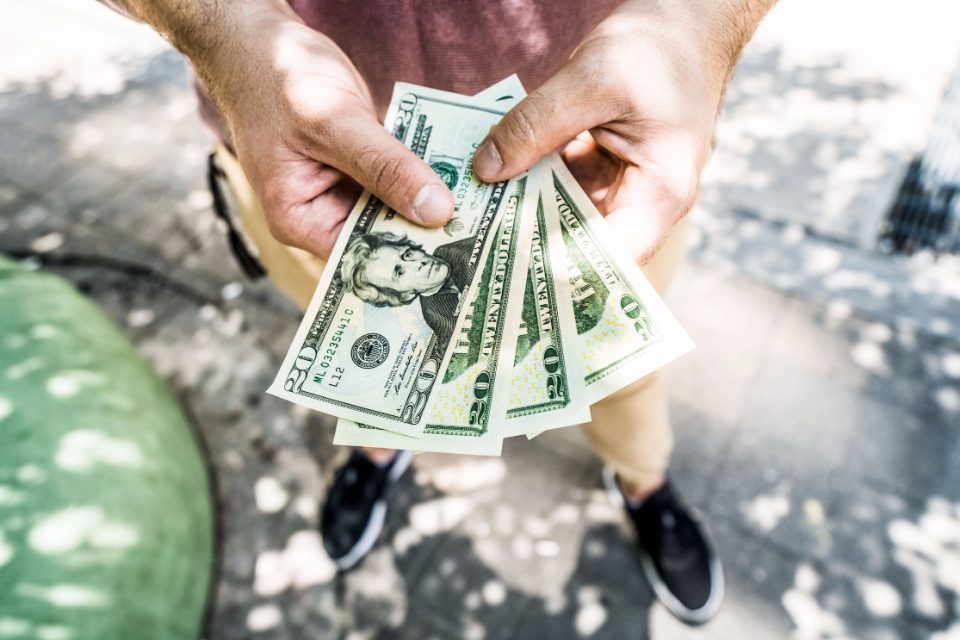
- Small bills only. Many businesses refuse $50 and $100 bills, and any torn or heavily worn bill may be rejected outright.
- Cash-only corners of daily life run on colones. Local buses, the farmers market, small sodas (family-run lunch spots), and roadside fruit stands all want local currency.
So the honest answer is: dollars work, but a wallet with only dollars in it will cost you a little extra every single day.
What is the exchange rate, and who sets it?
The Banco Central de Costa Rica (BCCR) publishes a daily reference exchange rate. As we write this in mid-August 2026, that reference sits at about 447 colones to buy a dollar and 452 to sell one, so call it roughly 450 colones per dollar. Banks, supermarkets, and hotels then set their own rates around that reference, and the gap between their rate and the official one is their margin.
Two things follow from that. First, always check the current rate on the BCCR site or a currency app before you change money, because the colon floats and the rate has moved a lot in recent years. Second, if your income and savings are in dollars, that movement cuts both ways: a stronger colon makes your Costa Rican expenses feel more expensive in dollar terms, and a weaker one does the opposite. Anyone budgeting a move here should build in some cushion for that. Our post on the cost of living in Costa Rica is a good companion read.
When should you pay in colones?
Use colones whenever the price is posted in colones. That covers groceries at local markets, bus fares, taxis, pharmacies, utility bills, and most everyday services. If a price tag says 5,000 colones and you pay with a $20 bill, you have just accepted the cashier's exchange rate plus rounding, and you will feel it in your change.
Colones are also the polite choice for small transactions. Handing a $100 bill to a fruit vendor is a good way to get a sigh and a shake of the head. Keep a mix of 1,000, 2,000, and 5,000 notes plus coins for daily life, the same way you would keep small bills at home.
When do dollars make more sense?
Use dollars when the price is quoted in dollars, and in Guanacaste that happens constantly. Hotel rooms, tours, car rentals, many long-term rentals, condo fees in expat-heavy communities, and essentially all real estate are priced in USD. Paying a dollar price in dollars means nobody converts anything and nobody takes a spread.
This is not an accident. Costa Rica's coastal property market grew up around North American buyers, so contracts, listings, and escrow accounts typically run in dollars. When we list a home for sale in Coco or Ocotal, the price is in dollars, the deposit is in dollars, and the closing funds move in dollars. Our guide on how to buy a home in Costa Rica walks through that process step by step.
One more practical point: many contracts here are written in dollars even between two people living in Costa Rica. If you sign a dollar-denominated lease and want to pay in colones, the conversion normally follows the official reference rate, but ask your attorney to confirm how your specific contract handles it. We are not lawyers, and this is exactly the kind of detail worth a professional's ten minutes.
What about cards, ATMs, and getting cash?
Cards are widely accepted across Costa Rica, and ATMs are easy to find in any town of size, including several in downtown Coco. Many ATMs here dispense both colones and dollars, which still surprises first-time visitors.
Three habits will save you money:
- When a card terminal asks "charge in USD or CRC?", choose colones. The dollar option uses the machine's own conversion rate, which is usually worse than your bank's.
- Pull larger amounts less often if your home bank charges a fixed ATM fee, and check whether it refunds foreign fees.
- Keep a cash reserve at home. In green season a storm can knock out a card terminal or an ATM for a day, and small vendors are cash-only year-round.
If you are moving here rather than visiting, a local account that holds both currencies makes life much easier. We cover the process, the documents, and the realistic timelines in our post on banking in Costa Rica as an expat.
How does the two-currency system affect property owners?
If you own a vacation rental here, you live on both sides of the exchange rate. Guests pay nightly rates in dollars. Your pool technician, your electric bill, and your property taxes are paid in colones. When the colon strengthens, your colon-denominated expenses eat a slightly bigger share of your dollar income, and when it weakens, your margins breathe easier.
None of this is a reason to avoid owning here. It is simply a reason to track it. We manage 60+ vacation rentals in Coco and Ocotal, and we handle owner statements in dollars while paying local expenses in colones, so our owners see the whole picture in one currency. For anything touching taxes on that income, talk to a licensed Costa Rican accountant; the rules are theirs to interpret, not ours.
The short version
Carry both. Spend colones on daily life, spend dollars on dollar-priced items, let the card terminal charge you in colones, and check the BCCR reference rate before any large exchange. Do that and the Costa Rica currency system stops being confusing within about a week of arriving.
If you are thinking about buying, renting, or renting out a property in the Papagayo area, we are happy to talk through the money side in plain terms. Browse our current listings or send us a message, and we will answer from experience, not from a brochure.
Frequently asked questions
Is it better to pay in colones or dollars in Costa Rica?
Pay in whichever currency the price is posted in. Colones are better for buses, markets, sodas, and anything with a colon price tag, because paying in dollars means accepting the seller's exchange rate. Dollars are better for hotels, tours, rent, and real estate, which are usually priced in USD.
How many colones is one US dollar?
As of mid-August 2026, the Central Bank of Costa Rica's reference rate is roughly 450 colones per US dollar (about 447 buy and 452 sell). The colon floats, and the rate has moved meaningfully in recent years, so check the BCCR website or a currency app before exchanging a large amount.
Do I need to bring colones with me to Costa Rica?
No. ATMs are available throughout the country, cards are widely accepted, and many machines in tourist areas dispense both colones and dollars. Bring some small US bills as a backup, avoid torn or worn notes, and withdraw colones after you arrive rather than exchanging money at home.
Cover photo: Sergei Starostin, Pexels · Photo: Santeri Viinamäki, CC BY-SA 4.0, via Wikimedia Commons