The Nicoya Blue Zone: Why People Here Live Past 100
What two decades of research say about Guanacaste's famous longevity zone, and what is honestly changing.
The Nicoya Peninsula blue zone is one of five places on Earth where people reach age 100 at rates far above normal. Researchers credit calcium-rich water, a simple diet of corn, beans, and squash, daily physical work, close family ties, and a strong sense of purpose. The zone covers five Guanacaste cantons, an easy drive south of Playas del Coco.
What is a blue zone, and how did Nicoya make the list?
The term started with demographers Michel Poulain and Gianni Pes, who circled a cluster of long-lived villages in Sardinia with blue ink on a map. Journalist Dan Buettner then teamed up with National Geographic and demographers to find other regions where people live measurably longer, and he described them in his 2008 book The Blue Zones. Five made the list: Sardinia in Italy, Okinawa in Japan, Ikaria in Greece, Loma Linda in California, and the Nicoya Peninsula here in Costa Rica.
Nicoya is the only blue zone in the Americas outside the United States, and Costa Ricans are proud of it. According to Costa Rica's official tourism board, the region counts more than 45 centenarians, over 900 residents past 90, and more than 5,000 people over 75. For a mostly rural corner of Guanacaste, those are striking numbers.
What do the numbers actually show?
The Nicoya Peninsula blue zone story is not folklore. It rests on two decades of demographic and biological research, much of it led by Costa Rican demographer Luis Rosero-Bixby and Stanford epidemiologist David Rehkopf. A few findings stand out from Stanford Medicine's reporting on that research:
- Nicoyans live to about 85 on average, compared with about 77 in the United States.
- Residents around age 60 have been roughly 29 percent less likely to die in a given period than people the same age elsewhere in Costa Rica.
- Nicoyan men have been about seven times more likely to reach 100 than Japanese men, and Japan is the world's benchmark for long life.
- Nicoyans carry longer telomeres, the protective caps on chromosomes, with about 81 extra base pairs compared with other Costa Ricans. Their cells appear to age more slowly than their birthdays suggest.
One detail surprises most readers: the effect is strongest in men. Rosero-Bixby's earlier work found that in the 1990s a 60-year-old Nicoyan man could expect around 24 more years of life, beating Japan at the time. Nicoyan women live long lives too, but their advantage over other Costa Rican women was never as dramatic.
Why do people in Nicoya live so long?
Nobody has isolated a single cause. Buettner's team and the academic researchers point to a stack of everyday habits that reinforce each other:
- Plan de vida. A reason to get up in the morning. Nicoyan elders keep working, tending animals, cooking for family, and staying useful into their 90s.
- Hard water. The peninsula's water carries the highest calcium content in Costa Rica, which researchers link to stronger bones and lower rates of heart disease.
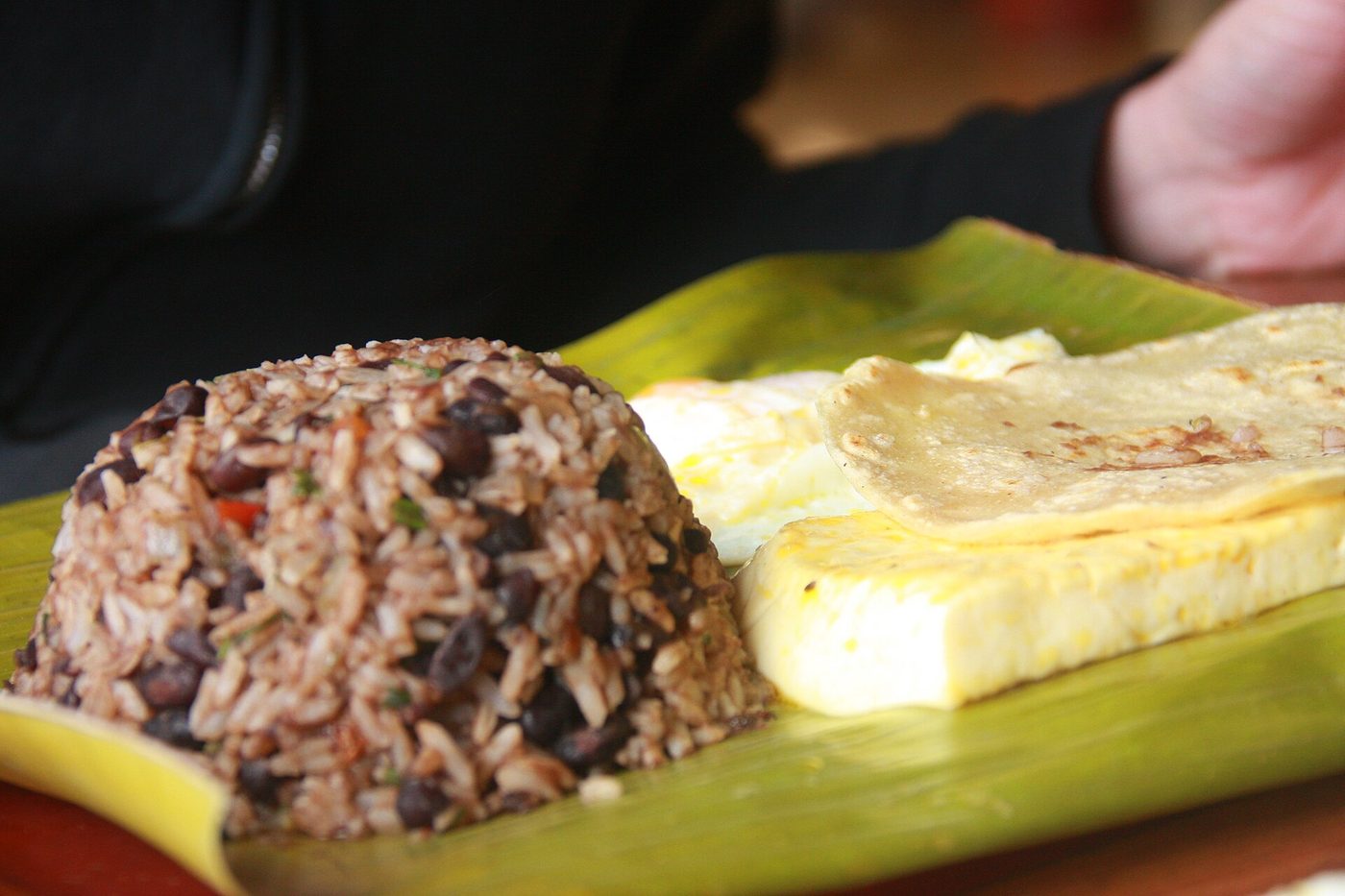
- The three sisters. The traditional diet leans on corn, beans, and squash, a combination nutritionists rate among the best in the world for healthy aging. Corn tortillas prepared the traditional way, with lime, add even more calcium.
- Family first. Centenarians here rarely live alone. Children and grandchildren live close, visit often, and share the load.
- Physical work. Most long-lived Nicoyans spent their lives ranching, farming, and walking, not sitting.
- Sunshine. Regular, sensible sun exposure keeps vitamin D levels high year round.
Is the Nicoya longevity effect fading?
Here is the honest part most articles skip. Rosero-Bixby published a follow-up study in the journal Demographic Research in 2023, and the news is mixed. Nicoyans born before the 1930s still show exceptional longevity. Their grandchildren do not. Men born around 1905 had adult death rates about 33 percent below the Costa Rican average. For men born in 1945, the rates ran about 10 percent above it. By the 2010s, Japanese men had passed Nicoyan men in remaining life expectancy at 60.
The likely culprits are familiar: processed food, sugary drinks, cars, and desk jobs replacing the beans, tortillas, and ranch work of earlier generations. The blue zone was never magic soil. It was a way of living, and as that way of living fades, so does the statistical advantage. We think that makes the lesson more useful, not less. The habits are the point, and habits travel.
Where exactly is the blue zone? Does it include Playas del Coco?
Costa Rica's tourism board draws the zone across five Guanacaste cantons: Hojancha, Nandayure, Carrillo, Santa Cruz, and Nicoya. Playas del Coco sits in Carrillo canton, so by the broadest official boundary, our town is technically inside it. We will be straight with you, though: the longevity research centers on the rural interior of the peninsula, the farming and ranching villages around Nicoya and Hojancha, not the beach towns. Coco is a fishing town turned expat hub, and nobody here claims our happy hour crowd is on track for 110.
What Coco does offer is proximity. The heart of the blue zone makes an easy day trip south through Santa Cruz, and the same feria produce, slower pace, and outdoor life shape daily routines on the coast too. Many of our clients tell us they walk more, cook more, and sit less here than they ever did back home. Our Playas del Coco area guide covers what day-to-day life in town actually looks like.
What can you borrow from the blue zone lifestyle?
You do not need to move to a ranch outside Hojancha to benefit. The pattern behind the Nicoya Peninsula blue zone is simple and mostly free:
- Eat like a local. Beans, rice, corn tortillas, eggs, and whatever fruit is in season at the feria. Simple food, mostly plants.
- Walk every day. Coco's flat main street and beach make that easy, and the ocean is a fine gym.
- Keep a plan de vida. The retirees we know who thrive here volunteer, fish, garden, or run small projects. The ones who struggle came only to relax. We wrote more about that in our guide to retiring in Costa Rica.
- Build your circle. Say yes to the neighborhood barbecue and learn some Spanish. Community is the most consistent blue zone ingredient of all, something we touched on in living in harmony with nature.
- Spend less, stress less. A simpler life is also a cheaper one. Our breakdown of the cost of living in Costa Rica shows where the money actually goes.
One caution: do not treat the blue zone as a health guarantee, and talk to your doctor before making big lifestyle changes. The research describes populations, not promises.
Thinking about living near the blue zone?
We live in Playas del Coco year round, near the northern edge of the zone's official boundary, and we help people from the US and Canada find homes across Guanacaste, from Coco and Ocotal down to Tamarindo and Hacienda Pinilla. If the slower, longer life sounds like your kind of math, browse our current listings or send us a message. We are happy to share what living here is really like, unfiltered.
Frequently asked questions
Where is the Nicoya blue zone located?
It covers five cantons in Guanacaste province: Hojancha, Nandayure, Carrillo, Santa Cruz, and Nicoya, per Costa Rica's tourism board. The research on exceptional longevity focuses on the rural interior of the Nicoya Peninsula, especially farming villages around Nicoya and Hojancha, roughly one to two hours south of Liberia's international airport.
Is Playas del Coco part of the Nicoya blue zone?
Technically yes, by the broadest boundary. Playas del Coco sits in Carrillo canton, one of the five cantons the tourism board includes in the zone. But the longevity studies center on the peninsula's rural interior, not the beach towns. Coco shares the region's produce, climate, and outdoor lifestyle rather than its centenarian statistics.
What do people in the Nicoya blue zone eat?
The traditional diet is built on the three sisters: corn, beans, and squash, plus rice, eggs, seasonal fruit, and modest amounts of meat. Corn tortillas prepared with lime add calcium, and the local hard water carries the highest calcium content in Costa Rica. Researchers rate this simple, mostly plant-based pattern among the best for healthy aging.
Cover photo: Panegyrics of Granovetter, CC BY-SA 2.0, via Wikimedia Commons · Photo: Legendre17, CC BY 3.0, via Wikimedia Commons