7 Landmarks in Playas del Coco and the Stories Behind Them
The boardwalk, the church, the harbor, and four other places that explain how this town became what it is.
The best known Playas del Coco landmarks are the Paseo Amor de Temporada boardwalk, the Catholic church, the fishing fleet anchored in the bay, the Port Captaincy, the old south beach where founding families settled, the town soccer plaza, and the site of the future Marina del Coco. Each one carries a story worth knowing.
We live and work in this town, and we walk past most of these places every week. This is not a tourist checklist. It is the short version of how a Guanacaste fishing village became one of the busiest beach towns in the province, told through seven places you can visit in a single afternoon. If you want the longer version, start with our history of Playas del Coco.
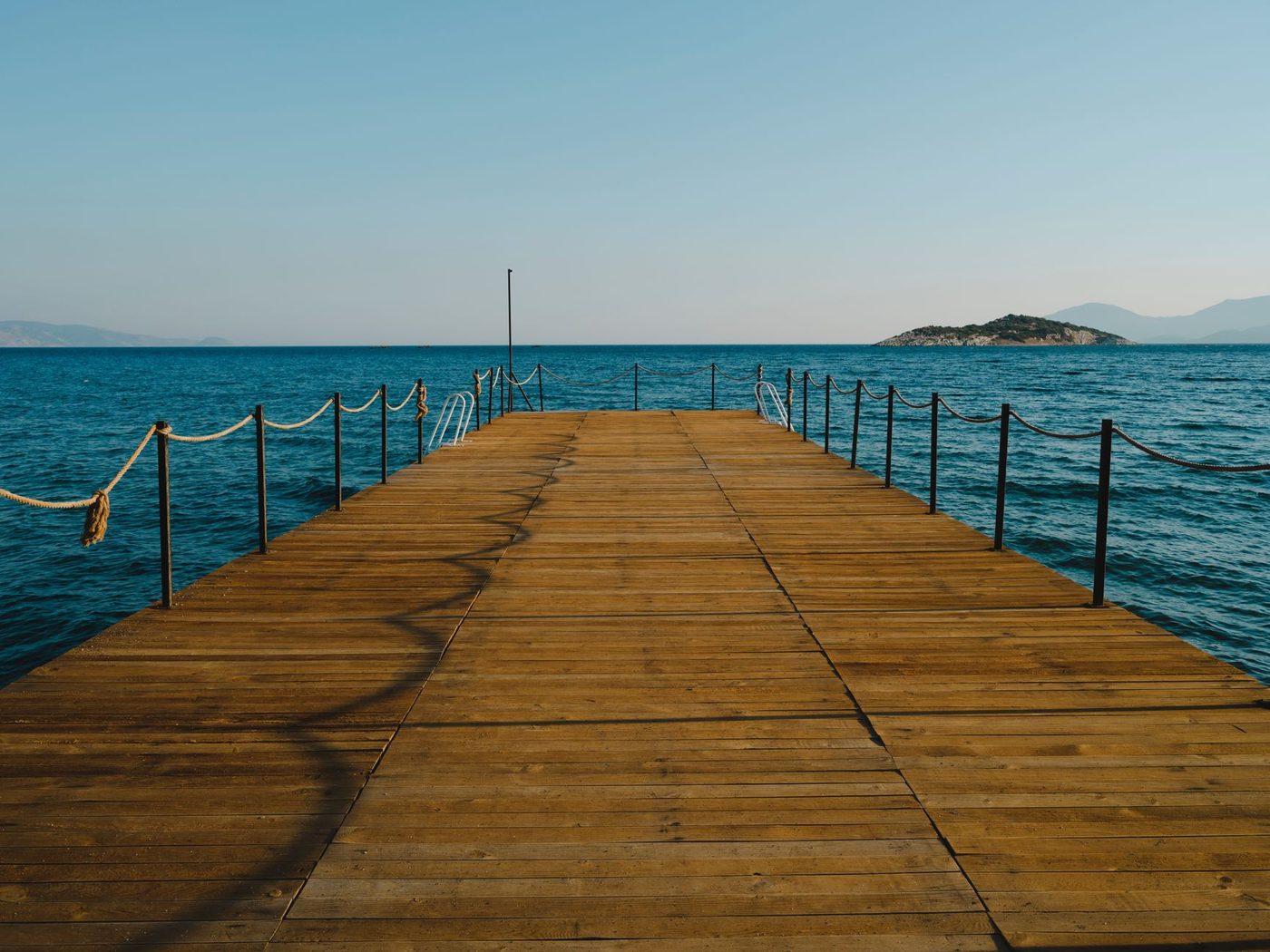
1. The Paseo Amor de Temporada: A Boardwalk Named After a Love Song
Coco's beachfront boardwalk is named for "Amor de Temporada," a song the Guanacastecan composer Héctor Zúñiga Rovira wrote in the 1930s about a summer romance on this very beach. That detail matters: it means Costa Rican families were already vacationing in Coco almost a century ago, long before the first foreign buyer arrived.
The modern boardwalk is much younger. When the project was underway in 2011, La Nación reported an investment of about 280 million colones for 420 meters of walkway, native trees, lighting, a basketball court, and two beach volleyball courts. Building it required removing restaurants that had been sitting on public beachfront land. That episode is a useful reminder that the first 200 meters of Costa Rican coastline belong to the public. We explain what that means for buyers in our post on concession vs. titled properties.
Today the boardwalk is where the whole town crosses paths at sunset: fishing families, retirees, tour guides, and kids on skateboards. If you visit Coco once, this is where you will end up.
2. The Catholic Church of El Coco
A block from the beach sits the town's small Catholic church. Nobody would call it grand, and we will be honest: Coco has no colonial architecture. The town is simply too young for that. What the church does have is a working congregation with deep fishing roots.
Costa Rica's coastal communities honor the Virgen del Carmen, patroness of fishermen, with festivities that the national cultural inventory lists on July 16. In Coco the tradition has taken the form of blessings of the fleet, with decorated boats carrying the celebration onto the water. Exact dates and formats change from year to year, so ask locally in early July if you want to see it.
3. The Fishing Fleet in Coco Bay
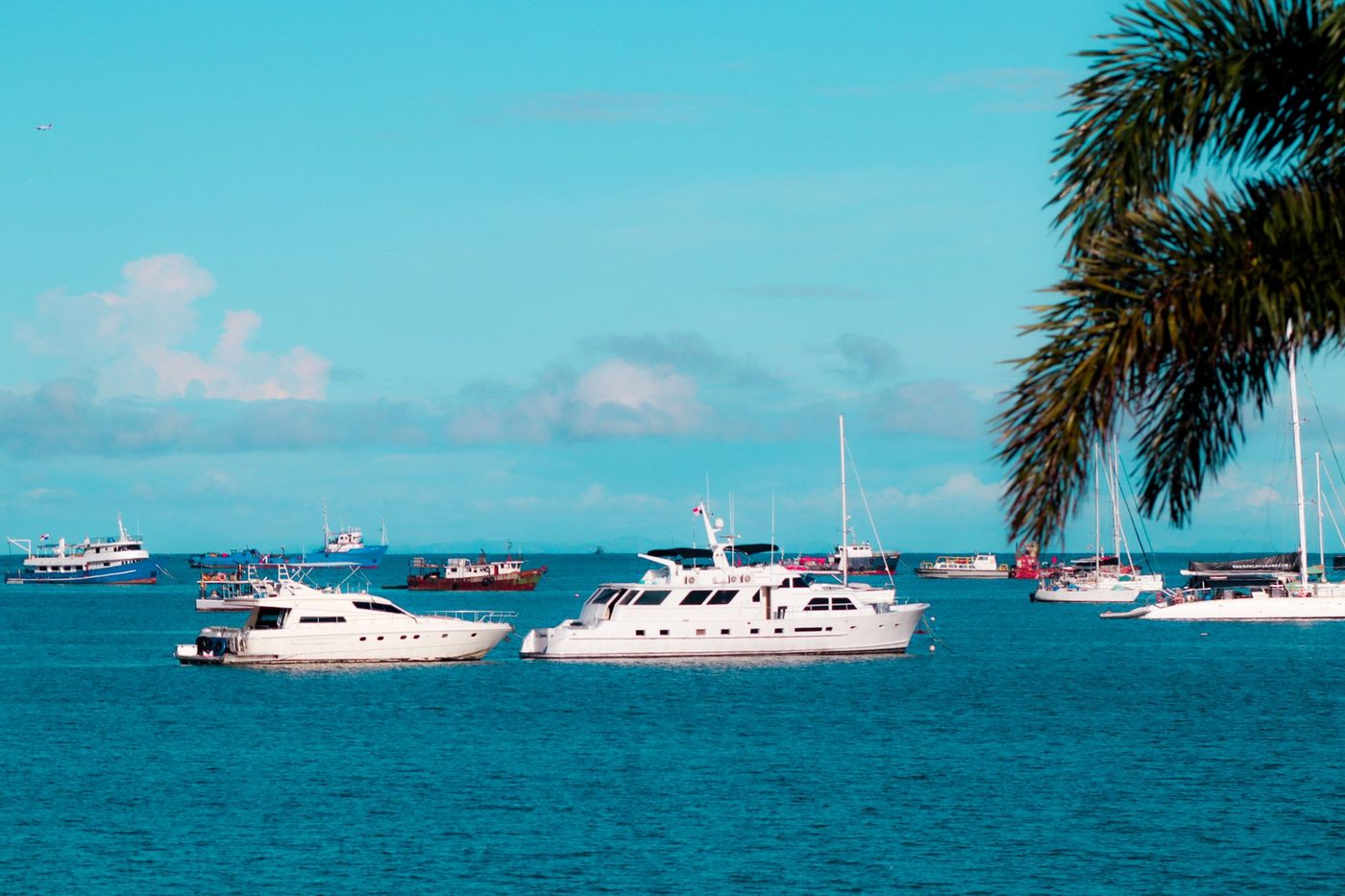
Look out from the boardwalk and you will see pangas and sailboats riding at anchor across the bay, sometimes hundreds of them. This is the landmark most visitors photograph without realizing what they are looking at: a harbor that never stopped working.
Commercial fishermen still head out from this beach, and their catch still lands here. The same waters now support sport fishing charters, dive boats headed for the Catalinas, and sailing tours, but the working fleet came first, and it anchors the town's identity. It is also part of why Coco never feels like a resort built from nothing. There was a real village here before tourism, and there still is.
4. The Port Captaincy: Where Sailors Check Into Costa Rica
Playas del Coco is an official port of entry on Costa Rica's northern Pacific coast. Sailboats arriving from Mexico, Panama, and farther afield drop anchor in the bay, dinghy ashore, and walk to the Capitanía de Puerto to clear in, with the immigration office a short walk down the street.
This is easy to miss and explains a lot about the town. Because international crews have been clearing in here for decades, Coco developed services early: banks, clinics, hardware stores, a real grocery infrastructure. Neighboring beach towns send residents to Coco to run errands. When people ask us why Coco feels more like a functioning town than other beach destinations in Guanacaste, the port of entry status is a big part of the answer.
5. The South Beach, Where the Founding Families Settled
Walk the beach south from the boardwalk and you reach the quieter end of the bay, where Coco's story as a settled town begins. One founding-family account recorded by We Love Costa Rica describes parents arriving in 1956, when the village held around 100 people, had no electricity, and saw one bus a day. That family went on to run Cabinas Luna Tica, one of the town's first places to stay, on this southern stretch.
We like sending people here because it corrects a common assumption. Coco was not invented by developers. It was settled by Costa Rican families, grew slowly for decades, and only accelerated when international tourism took off in the 1990s. The south end of the beach, still calmer than the center, is the closest thing Coco has to a founders' quarter.
6. The Soccer Plaza
Every Guanacaste town has a plaza de fútbol, and Coco is no exception. The field near the center of town is where local teams play on weekends, and it remains a genuine point of pride. If you want to know whether a Costa Rican beach town still has a Tico heart, check whether the soccer field is used. Coco's is.
For anyone thinking about what makes Playas del Coco different from other beach towns, this is our shorthand: the town has kept its plaza culture while adding everything else around it.
7. Marina del Coco: A Landmark in the Making
The newest entry on this list does not fully exist yet. In January 2025, the Costa Rican Tourism Institute announced that El Coco will host the country's seventh marina: 299 slips for vessels between 12 and 40 meters, a private investment of 24.5 million dollars, and a concession granted by the Municipality of Carrillo to the local association ASODEMAC. The announced construction window is three to five years.
We will be straight with you: the project spent more than two decades in planning before the announcement, and large coastal projects in Costa Rica often move slower than their press releases. But the concession is real, and if the marina is completed it will change the waterfront more than anything since the boardwalk. Buyers keep asking us about it, and our answer is the same: watch the construction, not the renderings.
What do these landmarks tell you about living here?
Taken together, these Playas del Coco landmarks tell you this is a real town with a real past, not a gated resort with a beach attached. That is exactly why many of our clients choose it. The center is walkable, the harbor works, the plaza fills up on weekends, and the town's next chapter is already visible from the boardwalk.
If this tour of Playas del Coco landmarks has you curious about staying longer, browse our current listings, read our Playas del Coco area guide, or send us a message on WhatsApp. We are happy to walk you past all seven of these landmarks in person.
Looking to buy? Browse current Playas del Coco real estate from our local team.
Frequently asked questions
What is the boardwalk in Playas del Coco called?
It is the Paseo Amor de Temporada, named after a song written in the 1930s by Guanacastecan composer Héctor Zúñiga Rovira about a summer romance in Coco. The modern walkway was built as a municipal project around 2011, running roughly 420 meters along the beachfront with trees, lighting, and sports courts. It is the town's main gathering spot at sunset.
Is Playas del Coco getting a marina?
Yes, a marina is planned. In January 2025 the Costa Rican Tourism Institute announced that El Coco will host the country's seventh marina, with 299 slips for vessels of 12 to 40 meters and a private investment of 24.5 million dollars. The announced construction timeline is three to five years, though large coastal projects in Costa Rica frequently take longer.
What is there to see in Playas del Coco besides the beach?
Walk the Paseo Amor de Temporada boardwalk, watch the working fishing fleet at anchor in the bay, visit the small Catholic church, and catch a weekend match at the town soccer plaza. Coco is also an official port of entry, so you will often see international sailboats anchored offshore while their crews clear customs and immigration in town.
Cover photo: Engin Akyurt, Pexels · Photo: Delmy Ramos, Pexels