
Big News for Expats and Travelers in Costa Rica: The 180-Day Driving Rule
Costa Rica finally lets visitors drive on a foreign license for their whole stay, and here is how the rule works in 2026.
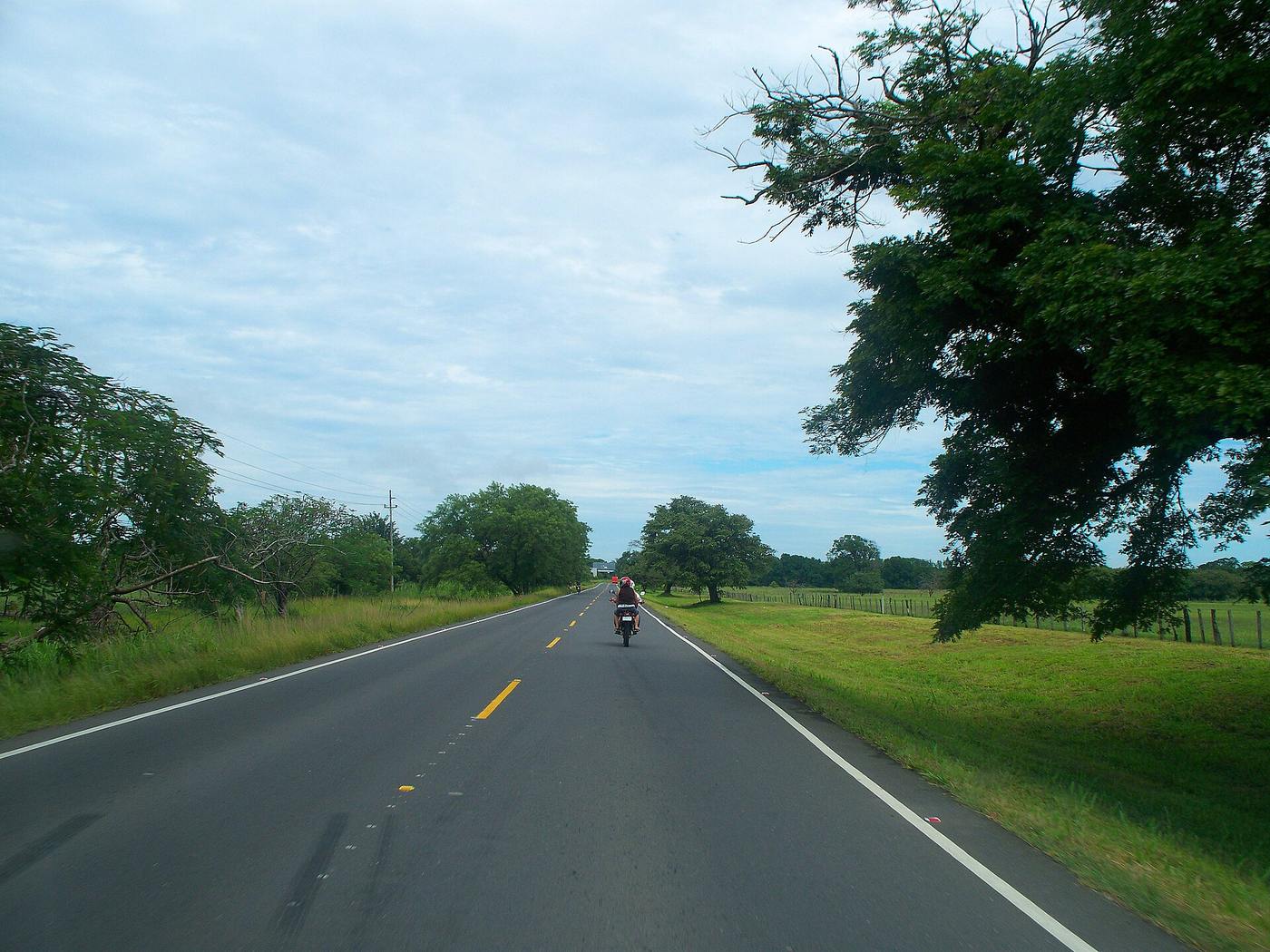
The big news is now settled law: visitors to Costa Rica can drive on a valid foreign driver's license for the full stay immigration grants at the border, up to 180 days. Law 10470, published on May 7, 2024, amended Article 91 of the traffic law and ended the old 90-day driving limit.
When we first published this post in 2024, the reform was still working its way through the Legislative Assembly. It passed, it took effect, and it has been the rule on the ground for over two years now. Here is the updated picture for 2026, based on what the law actually says and what we see every week with guests and owners in Playas del Coco.
What changed for expats and travelers in Costa Rica?
Two rules used to contradict each other. In 2023, Costa Rica's immigration authority began granting visa-exempt tourists (including Americans and Canadians) stays of up to 180 days, double the old 90-day standard. That was great news for snowbirds and slow travelers.
The problem: the traffic law had not caught up. Article 91 of Law 9078 only recognized a foreign driver's license for three months. So a tourist could legally be in the country for six months but could not legally drive for the second half of the stay. People were making border runs not to renew their visa, but just to reset their driving privileges. It was the kind of bureaucratic mismatch that made lawyers busy and travelers nervous.
What does Law 10470 actually say?
The reform, tracked in the Assembly as file 23531, passed its second debate on April 2, 2024 and was published in La Gaceta on May 7, 2024, which is when it took effect. It rewrote Article 91 of the traffic law so that your foreign license is valid for driving during the entire period immigration authorities have authorized for your stay, whatever that period is.
In plain terms: if the officer at the airport grants you 180 days, you can drive for 180 days. If you get 90, you can drive for 90. Your passport entry stamp (or the digital entry record) is now the document that defines your driving window, not a separate three-month clock. According to the law firm Lexincorp's summary of the reform, the change also covers digital driver's licenses, as long as your home country issues them officially.
Is the 180-day stay guaranteed?
No, and this is the part people still get wrong. The 180 days is a maximum, not a promise. The immigration officer at the border decides how many days you get, and the U.S. State Department's Costa Rica page says it plainly: authorities may allow visitors to stay up to 180 days without a visa, but this is not guaranteed.
In practice, most North American visitors we meet in Coco do receive the full 180 days, but you should still arrive prepared. Bring a passport valid for your whole stay and proof of onward travel (a return or exit ticket). Whatever number of days you are granted, that is also your legal driving window. Check the stamp before you leave the counter.
What if you are applying for residency?
This is where the reform quietly helped future expats the most. Before 2024, you could not even book the appointment to homologate (convert) your foreign license into a Costa Rican one until you had been in the country for more than 90 consecutive days. Combined with the driving limit, it created an awkward gap where residency applicants could not drive legally and could not yet get a local license either.
Law 10470 removed that waiting period. If your residency has been approved, or your application is officially in process (en tramite) with immigration, you can start the license recognition process right away, and you can keep driving on your valid foreign license while your file is resolved. Applicants converting a foreign license are also exempt from the road safety course and the practical driving test that first-time applicants take.
Residency and license paperwork still has moving parts, and requirements at MOPT and immigration change without much notice. Confirm the current steps with a licensed attorney before you build plans around them. We wrote more about that in why a good lawyer matters in Costa Rica.
What conditions still apply when you drive in Costa Rica?
The reform is generous, but it is not unconditional. To drive in Costa Rica legally as a foreigner you still need all of the following:
- A valid license. If your home license expires mid-trip, your driving privilege expires with it.
- Legal status. Overstay your granted days and you are no longer driving legally, which can also create insurance problems after an accident.
- The right license class. Your license has to cover the type of vehicle you are driving.
- Your passport. Carry it (or at minimum a copy of the photo page and entry stamp) when you drive, so you can show when you entered.
None of this is legal advice; it is a summary of published rules. For anything that affects your specific situation, talk to an attorney or check directly with MOPT and immigration.
What does this mean day to day in Playas del Coco?
For the community here, this law removed a real headache. Guanacaste is a driving region: the beaches, the volcano day trips, the supermarket runs to Liberia, most of it assumes a car. Under the old rules, a couple spending five months in Coco had to plan a border run in month three just to keep driving. Now they land, get their days, and the car question is settled for the whole season.
We see the effect in our rental calendar. Longer tourist stays plus a full-length driving window make multi-month winter stays much simpler to plan, and a lot of our guests use that first long stay to test neighborhoods before buying. If that is your plan, our guide to life in the Papagayo region and our post on driving in Costa Rica are good next reads.
What should you double-check in 2026?
Rules in Costa Rica evolve, and enforcement can vary between one traffic stop and the next. Before a long stay, verify three things: how many days you were actually granted at entry, that your home license stays valid through your departure date, and the current guidance from official sources if you plan to apply for residency and convert your license. Entry conditions themselves (passport validity, onward ticket) have not gotten looser, so keep those documents in order too. Our overview of visas in Costa Rica covers the bigger immigration picture.
Thinking about turning a 180-day stay into something permanent? That is exactly the path many of our owners took. Browse our current listings for sale, look at long-stay rentals to try the town first, or send us a message. We live here, we drive these roads daily, and we are happy to share what we know.
Frequently asked questions
Can I drive in Costa Rica with a US or Canadian driver's license?
Yes. Since Law 10470 took effect in May 2024, a valid foreign driver's license works for the entire period immigration grants you at entry, up to 180 days. Your license must stay valid the whole time, it must match the vehicle type, and you should carry your passport showing your entry date when you drive.
Do tourists automatically get 180 days in Costa Rica?
No. The 180 days is a maximum, not a guarantee. The immigration officer at the border decides how many days to grant, and official US government guidance confirms the full period is discretionary. Most North American visitors do receive 180 days, but check your stamp, because that number also sets how long you may legally drive.
Can I keep driving while my Costa Rica residency application is in process?
Yes. The 2024 reform lets applicants with residency approved or officially in process keep driving on a valid foreign license until their case is resolved, and they can start converting to a Costa Rican license right away. The old rule requiring more than 90 consecutive days in the country first was eliminated. Confirm current steps with an attorney.
Cover photo: Ll1324, CC0, via Wikimedia Commons · Photo: dconvertini, CC BY-SA 2.0, via Wikimedia Commons