Farmers Markets and Ferias Near Coco
Where to find farm-direct produce in Playas del Coco and the inland ferias that are worth the drive.
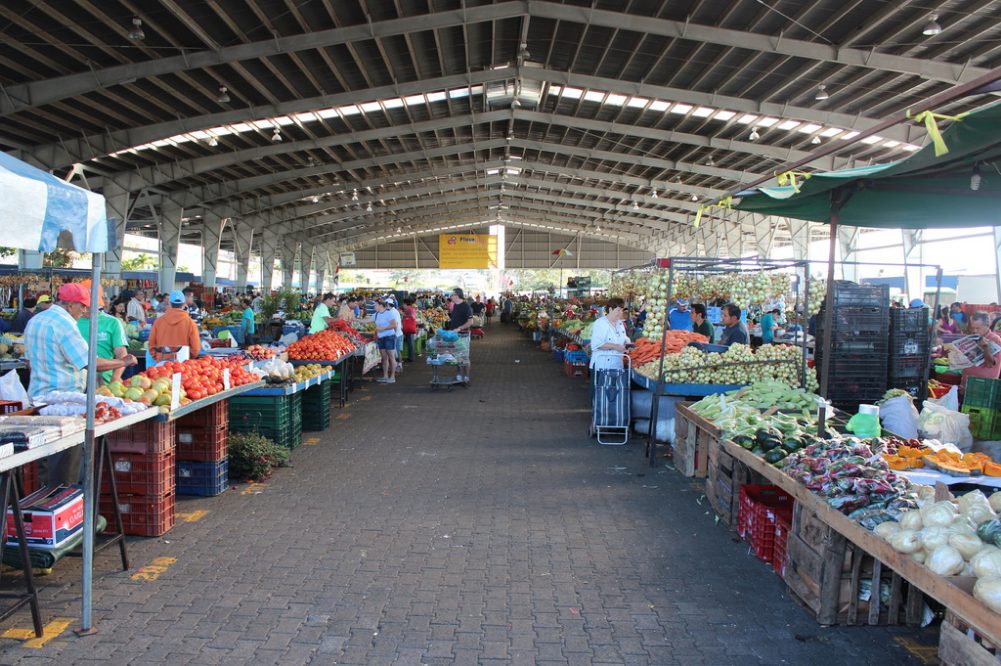
There is no large permanent farmers market in Playas del Coco itself, but you can still eat farm-direct here. Fruit trucks and seasonal pop-up markets work the beach towns, while Guanacaste's inland towns hold weekly ferias del agricultor where local produce costs noticeably less than at beach supermarkets. Schedules change often, so confirm the current day before you drive.
We get this question from nearly every buyer and long-term guest we work with: "Where is the farmers market in Playas del Coco?" It deserves an honest answer, because the honest answer is more useful than a list of days and hours that goes stale. Here is how market shopping actually works in and around Coco, what a real Costa Rican feria is, and which ones are worth the drive.
What is a feria del agricultor?
A feria del agricultor is Costa Rica's traditional weekly farmers market: local producers selling fruit, vegetables, eggs, cheese, and plants directly to the public, usually from stalls set up in a town's market square or fairground. These are not tourist events. They are a working part of how Costa Rican families buy food, and they exist in towns all over the country.
Guanacaste's ferias have deep roots. Nicoya's feria del agricultor operated in front of the town's municipal market from 2008 until a controversial relocation in 2024, a move that local producers publicly fought, as reported by La Voz de Guanacaste. Smaller towns keep adding their own: Hojancha launched a weekly feria in 2016 with around 50 local producers, according to the same newspaper. The pattern across the province is consistent. The feria is an inland, farm-town institution, anchored in the places where food is actually grown.
Is there a farmers market in Playas del Coco itself?
Here is the part most blogs will not tell you: Coco is a fishing and tourism town, not a farm town. The deep-rooted weekly ferias live inland, where the growers are. What Coco has instead is a looser, more flexible market scene, and once you understand it, it works well.
- Fruit and vegetable trucks. Vendors drive in from the countryside and sell from truck beds and folding tables along the main road and through the residential neighborhoods. This is the most reliable farm-direct option in town, and it runs year-round.
- Pop-up markets. Small markets mixing produce, baked goods, and artisan stalls appear around Coco and neighboring beach towns, especially in high season. They are genuinely good, but they change venue, day, and organizer often enough that we re-verify the schedule every few months for our owners and guests.
- Supermarkets for the rest. Coco has an Auto Mercado plus several smaller supermarkets, so the feria is a supplement here, not a necessity. We cover the town's day-to-day services in our guide to life in the Papagayo region.
If you want this week's actual schedule, ask us. Keeping a current list of what is running, and where, is part of what we do for the owners and guests of the 60+ vacation rentals we manage in Coco and Ocotal.
Which ferias and markets are worth the drive from Coco?
Sardinal and Comunidad. These are the working towns you pass on the road out of Coco, and the closest place to feel like you are shopping where locals grow things. Roadside fruit stands operate year-round, and prices drop the moment you leave the beach corridor.
Liberia. The provincial capital is 30 to 40 minutes from Coco on paved highway, and it has the widest selection of produce vendors, butchers, and market stalls in northern Guanacaste. If you are making an airport run (Coco sits about 23 kilometers from Liberia International Airport), it is easy to add a market stop. Confirm the current feria day locally before making a special trip.
Santa Cruz and Nicoya. These are day-trip territory, roughly an hour or more south, but they are the cultural heart of the province, and Nicoya's feria tradition goes back decades. Pair a market morning with lunch and you have one of the best cheap outings in Guanacaste.
What should you buy at a Guanacaste feria?
Buy what is in season and grown close by. That is where the quality and the savings live.
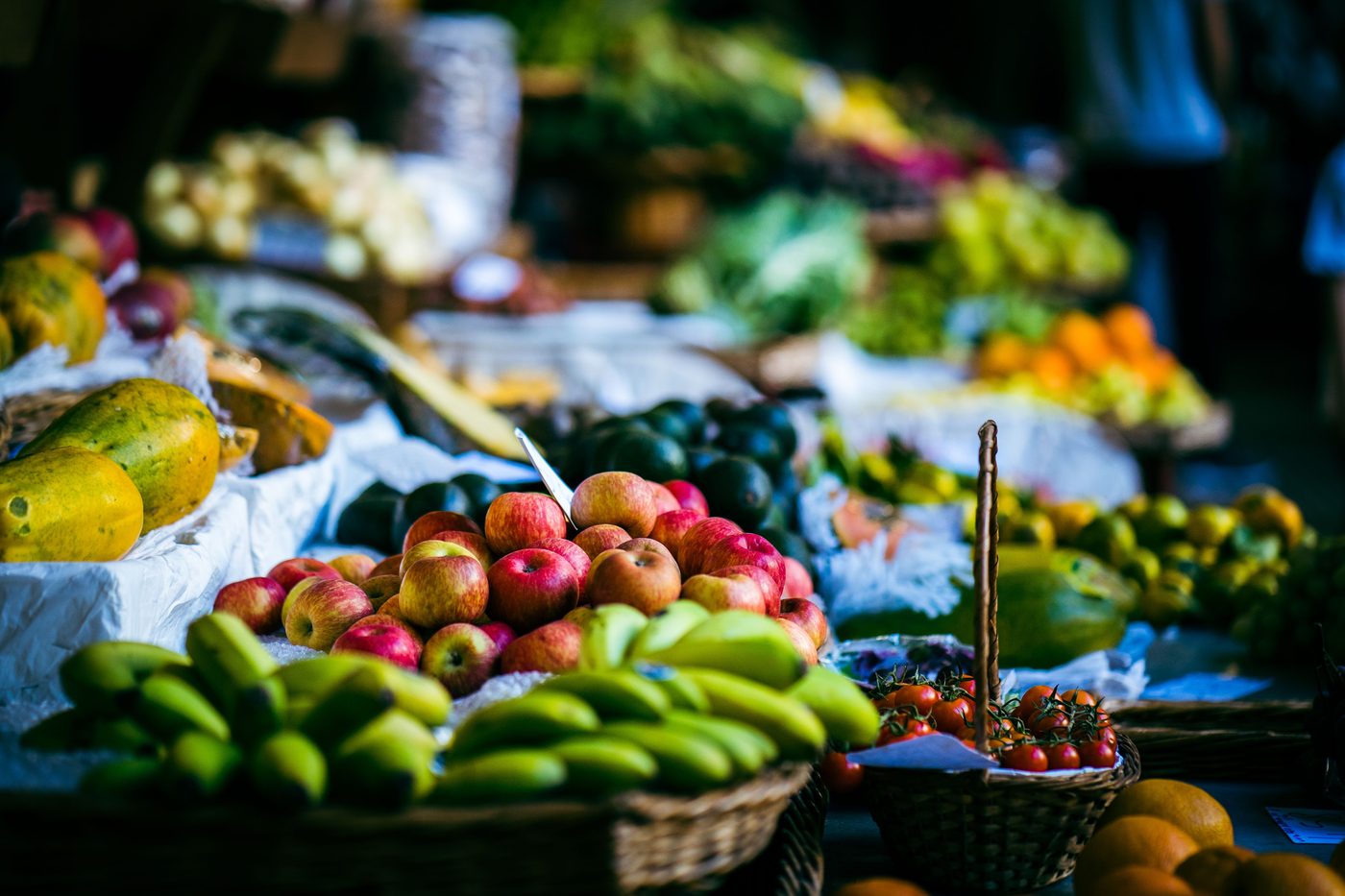
- Fruit: mango, papaya, pineapple, watermelon, bananas, and guanábana. In the dry season months, mangoes get so abundant in Guanacaste that neighbors give them away by the bag.
- Staples: plantains, yuca, ayote (local squash), chayote, tomatoes, onions, and cilantro, the backbone of Costa Rican home cooking.
- The interesting stuff: pejibaye (peach palm fruit, boiled and eaten with mayonnaise), fresh cheese, farm eggs, honey, and homemade tortillas, depending on the vendor mix that week.
Some produce in any Costa Rican market is trucked in from the Central Valley highlands, since cool-weather crops like lettuce, broccoli, and strawberries do not love Guanacaste's heat. That is normal. The win is buying the tropical, local items at their source instead of paying beach-town retail for them.
How do you shop a feria like a local?
- Bring colones in small bills. Vendors quote in colones, and making change for large bills is a hassle for them. Cash is still king at ferias.
- Go early. The best produce sells in the first hours, and Guanacaste mornings are cooler anyway.
- Bring your own bags. A couple of sturdy totes beat a pile of small plastic bags.
- Know your units. Prices are usually per kilo, sometimes per unit or per bag. A kilo is 2.2 pounds, so that "expensive" price tag may be cheaper than you think.
- Use your Spanish, even a little. "¿A cómo?" (how much?) and "¿me regala una prueba?" (may I try a taste?) go a long way. Haggling is not really the culture here; friendliness is.
Why do ferias matter if you are buying a home here?
Two reasons. First, cost of living: groceries are one of the line items new residents most often get wrong, and shopping ferias and national brands instead of imported goods is the single biggest lever, something we break down in our post on the cost of living in Costa Rica. Second, lifestyle fit: if weekly markets, Spanish practice, and knowing your fruit vendor by name matter to you, that is a real data point in choosing between beach towns, and it is part of what makes Playas del Coco different from other Guanacaste beach towns. Coco gives you supermarkets and convenience with real farm country twenty minutes inland. Some people want the feria at their doorstep; Coco is not that. We would rather tell you now than after closing.
If you are weighing a move or an investment here, we are happy to share the current market schedule along with the numbers that matter more. Browse our listings or send us a message, and ask us where we bought our mangoes this week. Expat Properties | CR lives here, and that is the point.
Ready to see what is on the market? Explore our homes, condos and lots in Playas del Coco, every one walked in person by our team.
Frequently asked questions
What day is the farmers market in Playas del Coco?
There is no fixed, permanent feria in Playas del Coco. Fruit trucks sell along the main road year-round, and small pop-up markets run mostly in high season, but their days and venues change often. We re-check the schedule every few months, so message us for the current list before you plan a market morning.
Are ferias cheaper than supermarkets in Guanacaste?
For fresh, locally grown produce, usually yes, especially in-season tropical fruit like mango, papaya, and watermelon sold by the kilo in colones. Packaged and imported goods are a different story; those still belong on your supermarket list. The biggest savings come from buying what is in season and grown nearby.
Can tourists and expats shop at a feria del agricultor?
Yes. Ferias are open to everyone, and vendors are used to newcomers. Bring cash in colones (small bills), your own bags, and a little Spanish if you have it. Go early for the best selection, and remember prices are usually quoted per kilo, which is 2.2 pounds.
Cover photo: The LEAF Project, CC BY-SA 2.0, via Wikimedia Commons · Photo: Artem Zhukov, Pexels