From Canada to Costa Rica: A Practical Relocation Guide
What Canadians need to know about entry rules, residency, taxes, flights, and the snowbird life in Guanacaste.
Moving from Canada to Costa Rica is simpler than most people expect. Canadians can stay up to 180 days as tourists, residency paths start at a US$1,000 monthly pension, and six Canadian cities have nonstop flights to Guanacaste. The real work is planning taxes, health coverage, and timing before you go.
We meet Canadians in Playas del Coco every week. Some are here for three months of winter, some are here for good. This guide walks through the practical steps in the order most people actually face them. It is not legal or tax advice, and we will point out where you need a professional.
Can Canadians just move to Costa Rica?
You can arrive tomorrow. According to the Government of Canada's travel advice for Costa Rica, Canadians do not need a visa for tourist stays of up to 180 days. Your passport must be valid for the length of your stay, and immigration officers can ask for a return or onward ticket plus proof of funds. The officer at the desk decides how many days you get, so keep those documents handy.
Two cautions. First, overstaying is serious: deportation can carry a re-entry ban of five to ten years. Second, tourist status is not residency. You cannot take a local job on a tourist stay, and border runs every six months are a lifestyle choice, not a legal plan. We covered the extended stay rules in more detail when the change happened in our post on Costa Rica's 180-day tourist visa.
Which residency option fits most Canadians?
Costa Rica's three most common temporary residency categories all run on financial proof, not points systems. In broad strokes:
- Pensionado: a lifetime pension of at least US$1,000 per month. CPP, OAS, and employer pensions can count toward this, converted to US dollars.
- Rentista: stable non-pension income of about US$2,500 per month, usually proven through a bank.
- Inversionista: an investment of at least US$150,000 in Costa Rican real estate or a local business.
Those thresholds have been stable for several years, but immigration rules change and the paperwork (apostilled police records, birth certificates, translations) is where applications stall. Budget several months for approval and hire a Costa Rican immigration attorney rather than filing alone. We explain why local legal help matters in our post on hiring a good lawyer in Costa Rica, and the same logic applies to residency.
One point that surprises many visitors: you do not need residency to own property here. Canadians can hold titled property in their own name or a corporation with the same protections locals have. Plenty of our owners are still tourists on paper.
What happens to your Canadian taxes and health coverage?
This is the part to get right before you sell the house in Canada. The CRA decides whether you are still a Canadian tax resident based on residential ties: a home in Canada, a spouse or dependants there, and secondary ties like bank accounts, a driver's license, and provincial health insurance. The rules are laid out on the CRA's residency status page. Severing ties can trigger departure tax on some assets, so talk to a cross-border accountant before you commit to a date.
Provincial health coverage has its own clock. Ontario, for example, generally requires you to be physically in the province at least 153 days in each of the two 12-month periods before an extended absence to keep OHIP during longer stays abroad. Every province sets its own rules, so check yours before booking six months away.
On the Costa Rican side, approved residents must join the Caja, the public health system, with monthly contributions based on declared income. Private hospitals and clinics in Liberia and San José are widely used by expats and cost far less than comparable private care in North America. Snowbirds on tourist stays should carry travel medical insurance for the whole trip.

How do you get from Canada to Guanacaste?
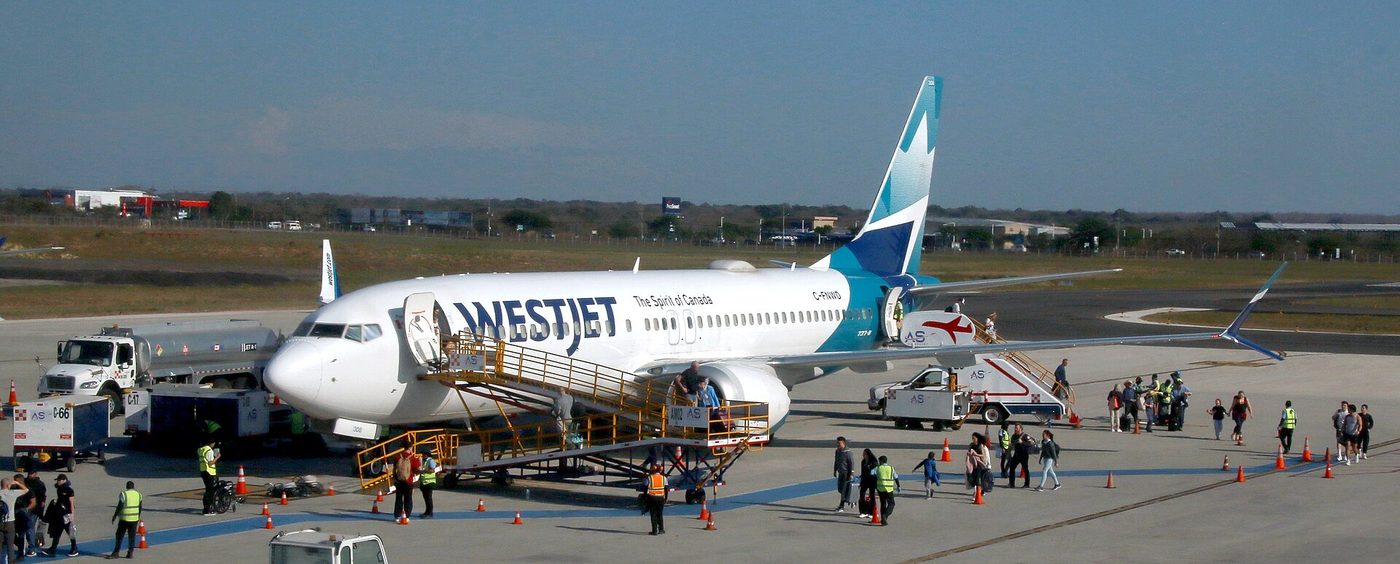
This is where moving from Canada to Costa Rica got dramatically easier. Guanacaste Airport in Liberia (LIR) lists nonstop service from six Canadian cities: Toronto, Montreal, Ottawa, Calgary, Vancouver, and Winnipeg. Schedules are heaviest from late fall through spring, which suits the snowbird calendar perfectly, and some routes go seasonal or pause in the green season, so check current schedules before you lock in plans.
From the airport, Playas del Coco is one of the closest beach towns, roughly a half hour drive. That proximity is a real advantage: no mountain passes, no ferry, no long transfer after a red-eye. It is one reason so many Canadians and Americans choose this corner of Costa Rica, and it matters just as much when family comes to visit.
Should you snowbird first or move full time?
Honestly, most Canadians should snowbird first. The 180-day tourist allowance covers a full Canadian winter with room to spare, you keep your provincial health coverage if you follow your province's rules, and you learn what the town is like in different months before committing.
Rent for a season before you buy. A November-to-April stay tells you more than ten scouting trips. Then, if you buy, the snowbird math can work in your favor: high season here runs while you are in Costa Rica or renting to other winter travelers, and a good local manager keeps the home earning and maintained while you are back in Canada. That is exactly what we do for about 40 owners in Coco and Ocotal through our property management service. Our post on renting vs. buying in Costa Rica goes deeper on that decision.
What surprises Canadians in Costa Rica the most?
A few honest notes from Canadians in Costa Rica who have already made the jump:
- Two seasons, not four. Guanacaste has a hot dry season and a green rainy season. If you love autumn colors and crisp air, you will miss them. Nobody misses shoveling.
- US dollars rule here. Property prices and rents in Guanacaste are quoted in US dollars, and the local currency is the colón. Canadians budget through two conversions, and a weak loonie changes your math.
- Imported goods cost more. Local produce and services are affordable. Imported cheese, electronics, and vehicles are not. Our breakdown of the cost of living in Costa Rica covers this in detail.
- Things move slower. Banking, paperwork, and repairs run on a different clock. The people who thrive here treat that as part of the deal, not a defect.
- Coco is a working beach town. It has real infrastructure, supermarkets, and a year-round community. It is not a manicured resort bubble, and we think that is its strength.
Ready to plan the move?
We are Canadians' neighbors here, not just their agents: our team lives in Playas del Coco year round, and a large share of the owners we work with are from Canada. This fall we will also be in Alberta for a property show in Edmonton, and we would love to meet you there. In the meantime, browse our current listings, read up on life in Playas del Coco, or send us a message and tell us what your version of moving from Canada to Costa Rica looks like. We will give you straight answers.
Frequently asked questions
How long can Canadians stay in Costa Rica without residency?
Canadians can visit Costa Rica visa-free for up to 180 days. The immigration officer at entry sets your exact allowance, and you may be asked for a return or onward ticket and proof of funds. Your passport must stay valid for your whole stay, and overstaying can lead to deportation with a multi-year re-entry ban.
Can Canadians buy property in Costa Rica without being residents?
Yes. Canadians can own titled Costa Rican property outright, in their own name or through a corporation, with no residency required. In fact, buying real estate worth US$150,000 or more can itself qualify you for investor residency. Beachfront concession land follows different rules, so always work with a local attorney before purchasing.
Are there direct flights from Canada to Liberia, Costa Rica?
Yes. Guanacaste Airport in Liberia (LIR) lists nonstop routes from Toronto, Montreal, Ottawa, Calgary, Vancouver, and Winnipeg. Service is strongest during the Canadian winter, when snowbird demand peaks, and some routes reduce or pause in the rainy season. Playas del Coco is one of the closest beach towns to the airport.
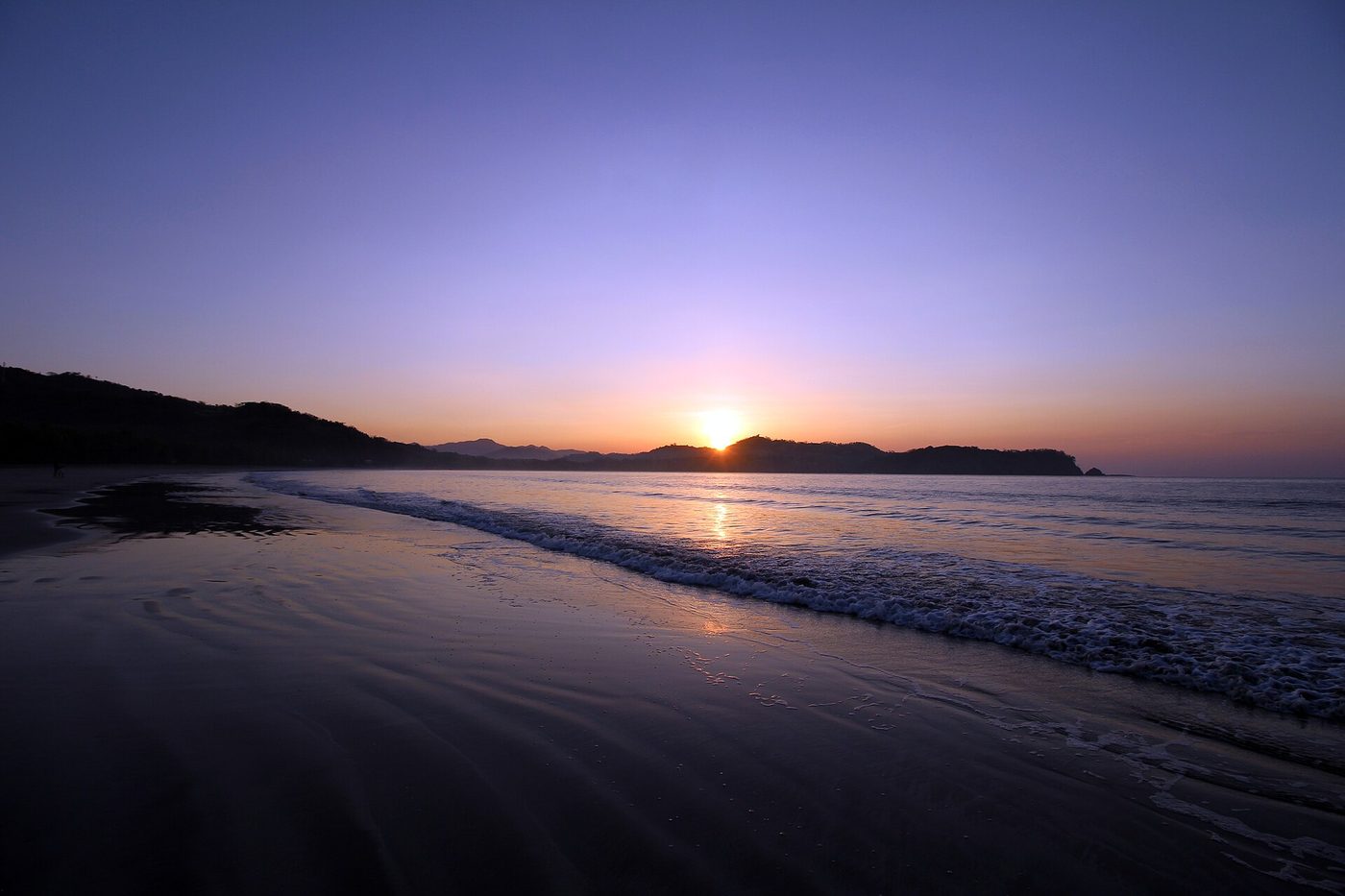
Cover photo: kitmasterbloke, CC BY 2.0, via Wikimedia Commons · Photo: Jason Zhang, CC BY-SA 3.0, via Wikimedia Commons