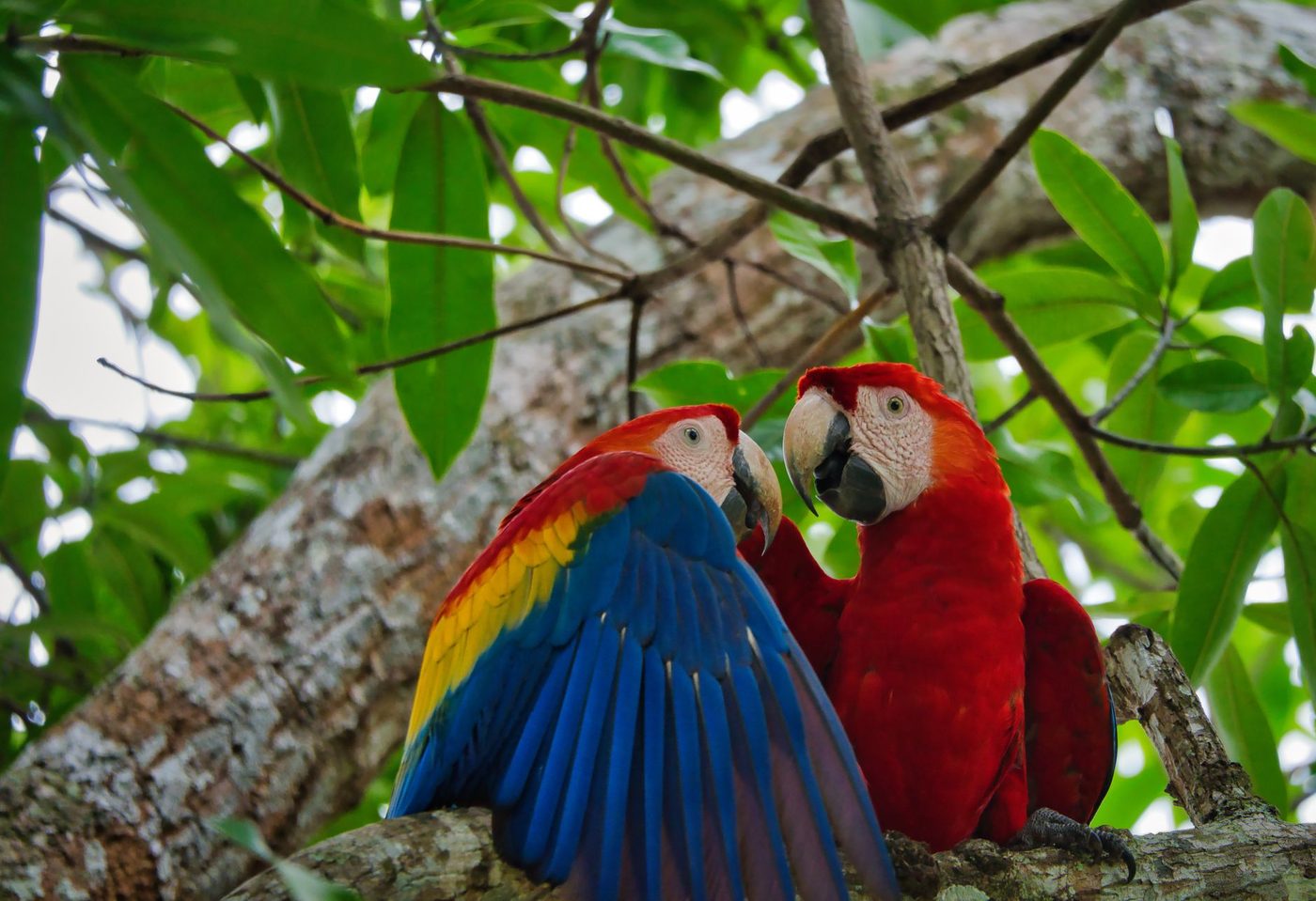
Why Moving to Costa Rica Is a Great Choice for Canadians and Americans
What actually draws North Americans here in 2026, what it costs, and the tradeoffs we tell friends about before they commit.
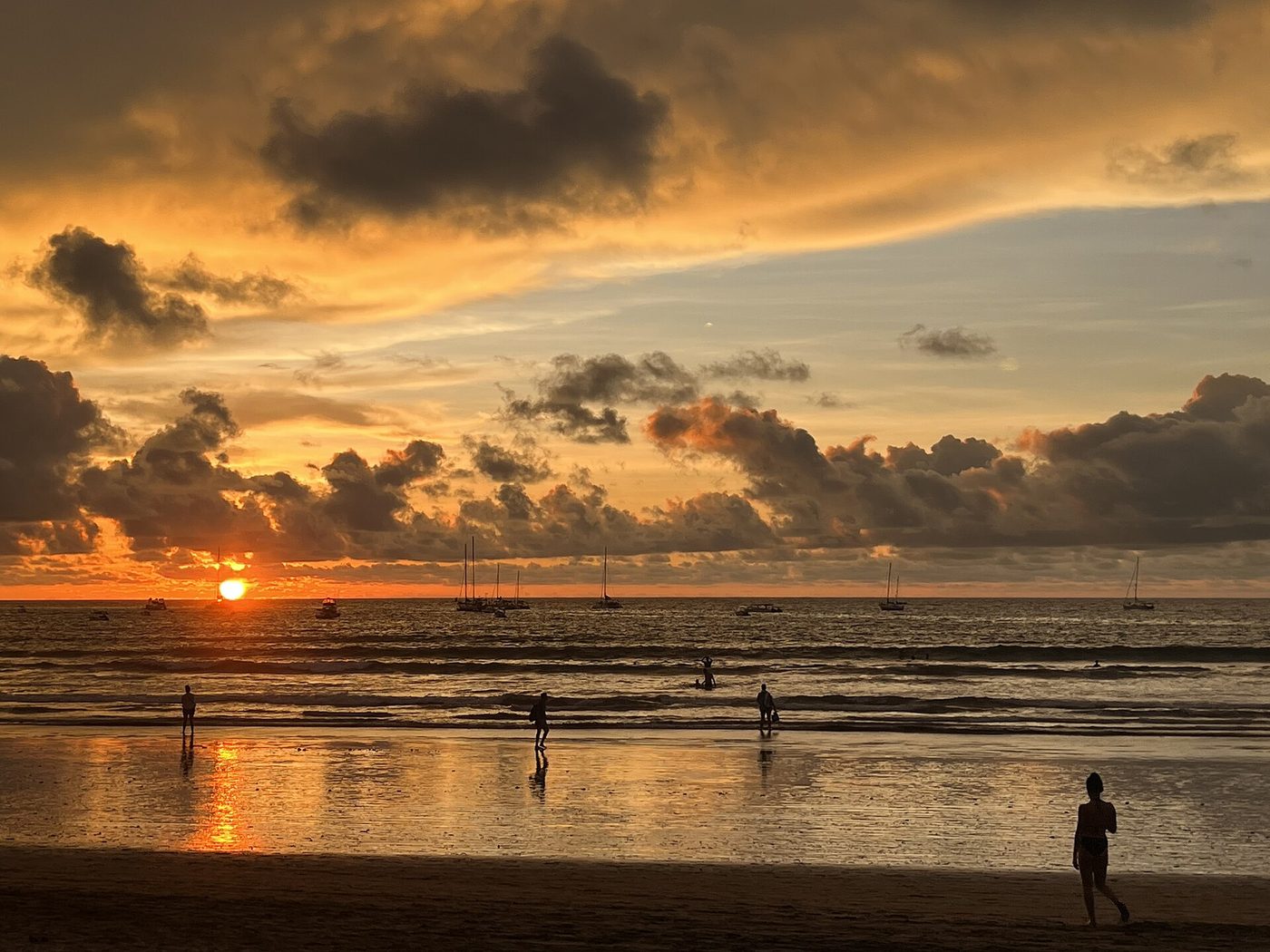
Moving to Costa Rica remains one of the best choices for Canadians and Americans in 2026 because residency is attainable, healthcare is solid and affordable, tourists can stay up to 180 days, and foreigners own titled property with the same rights as citizens. It is close to home, politically stable, and genuinely welcoming.
Why do so many Canadians and Americans move here?
Start with geography. Liberia's international airport (LIR) has direct flights to major hubs across the United States and Canada, so a trip home is usually one flight, not three. Costa Rica sits on Central Standard Time year round, which means calls with family, banks, and colleagues back home do not require strange hours.
Then there is the country itself. Costa Rica abolished its army in 1948 and has held peaceful elections ever since, a story we tell in our post on Military Abolition Day. The money other countries spend on defense went into schools and healthcare instead. Add a warm climate, two coastlines, and the pura vida approach to daily life, and it is easy to see why the Canadian and American communities here keep growing.
How long can you stay without residency?
Since September 2023, visitors from Group One countries, which include the United States and Canada, can be admitted for up to 180 days per visit, double the old 90 day limit. The exact stay is granted at the border at the officer's discretion, as the immigration law firm Fragomen explains. That is long enough to live through a full season before you commit to anything. We covered the change in our post on Costa Rica's 180 day tourist stay.
What are the residency options in 2026?
Most people moving to Costa Rica use one of four well worn paths to legal residency:
- Pensionado. For retirees with lifetime pension or Social Security income of at least $1,000 US per month.
- Rentista. For people who can show stable unearned income of at least $2,500 US per month for two years, or who place a $60,000 US deposit in a Costa Rican bank.
- Inversionista. For investors who put at least $150,000 US into Costa Rican real estate or a business. That threshold came from Law 9996, and the law's five year window of extra benefits (import tax exemptions on household goods and vehicles, among others) closed in July 2026, so confirm the current rules before you file.
- Digital nomad. Remote workers earning at least $3,000 US per month ($4,000 for a family) can apply for a one year stay, renewable once, with foreign income exempt from local income tax.
Immigration rules shift, and the details matter. Treat these numbers as a starting point and confirm everything with a licensed Costa Rican immigration attorney before you apply. If retirement is the plan, our guide to retiring in Costa Rica goes deeper.
What is healthcare like in Costa Rica?
Costa Rica runs a universal public system, the Caja Costarricense de Seguro Social, known simply as the Caja. Legal residents enroll and pay a monthly contribution based on income, which covers doctor visits, hospital care, and prescriptions. Alongside it sits a capable private network: hospitals such as CIMA and Clínica Bíblica in the San José area, plus private clinics in Guanacaste, including in Liberia, about half an hour from Playas del Coco. Many doctors trained abroad and speak English. Most expats we know use a mix, the Caja for coverage and private care for speed. Compared with US pricing in particular, private out of pocket costs here surprise people in a good way.
Is Costa Rica actually safe?
By regional standards, yes. Costa Rica ranked 54th of 163 countries in the 2025 Global Peace Index and placed fourth in the Americas, ahead of the United States. It is a stable democracy with no military. We will be honest, though: petty theft exists, especially in tourist areas, and you should take the same precautions you would in any beach town anywhere. Lock the car, do not leave a phone on your beach towel, and get to know your neighbors. Most long term residents will tell you they feel safer here than the headlines suggest.
What does it really cost to live here?
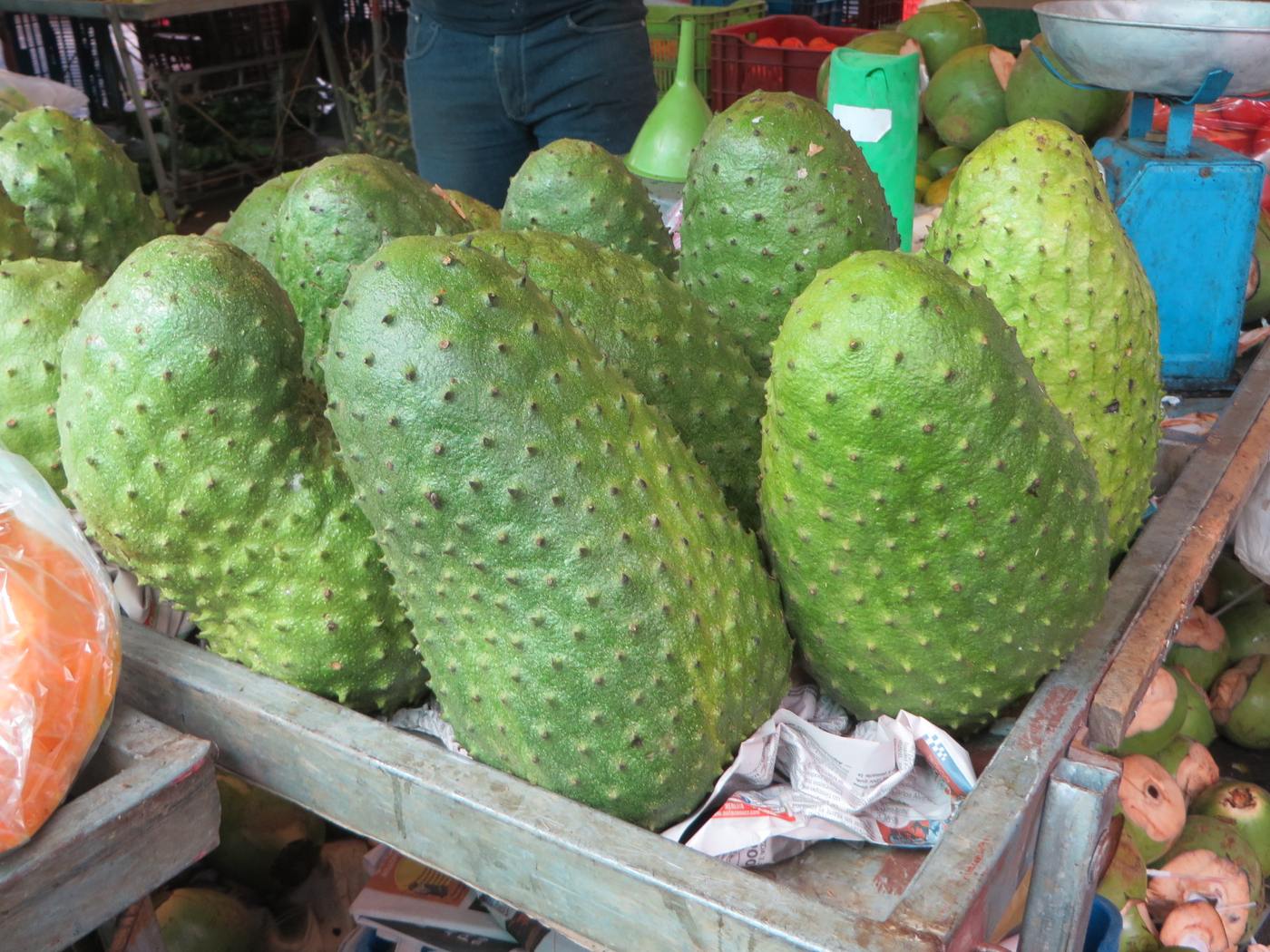
Here is where we push back on the brochure version. Costa Rica is not dirt cheap anymore, and Guanacaste beach towns cost more than the countryside. Imported goods, cars, and electronics carry heavy taxes. Groceries can match US prices if you insist on imported brands, though shopping the local ferias (farmers markets) changes the math quickly.
Where you genuinely save: annual property tax is 0.25 percent of registered value, per PwC's Costa Rica tax summary, a fraction of typical North American rates. Healthcare costs less. There is no heating bill, and many coastal homes skip water heaters entirely. Our full breakdown is in Understanding the Cost of Living in Costa Rica.
Can foreigners really own property here?
Yes. Foreigners hold titled property in Costa Rica with the same rights as citizens, and residency is not required to buy. The transfer tax at purchase is 1.5 percent. The main exception is beachfront concession land in the Maritime Zone, where different rules apply; we explain the difference in Concession vs. Titled Properties. Use a good attorney, insist on a full title search, and the process is orderly: offer, due diligence, then closing before a notary. Our guide on how to buy a home in Costa Rica walks through each stage.
What are the honest tradeoffs?
We live here, so we will tell you what the glossy articles skip. Bureaucracy is slow, and opening a bank account or getting residency approved takes patience. Some roads are rough. The green season (May to November) brings real downpours most afternoons from September on. Shipping and customs can frustrate you, and anything imported costs more. Spanish is not strictly required on this coast, but life gets richer and cheaper the more you learn. Family is a flight away, which cuts both ways. None of this is a reason to give up on moving to Costa Rica. It is a reason to visit for a good stretch first, ideally in the rainy months, before you decide.
Where should you start?
Come and test it. Spend time in a few regions, and if the warm, dry Pacific side appeals, base yourself in Playas del Coco for a week or two. We are a small team of expats and locals who made this move ourselves, and we manage 60+ vacation rentals in Coco and Ocotal, so we know which streets flood in October and which HOAs are run well. Browse our current properties for sale, or send us your questions. We will give you straight answers, including when the honest answer is that Costa Rica is not the right fit for you.
Frequently asked questions
How long can Americans and Canadians stay in Costa Rica without residency?
Up to 180 days per visit. Since September 2023, visa exempt visitors from Group One countries, including the United States and Canada, can be admitted for as long as 180 days, though the border officer sets the exact stay. Many people use one long visit to test daily life here before starting a residency application.
How much income do you need to get residency in Costa Rica?
As of 2026, the pensionado category requires at least $1,000 US per month in lifetime pension income, and the rentista category requires $2,500 US per month shown for two years, or a $60,000 US deposit in a Costa Rican bank. Requirements change, so confirm current figures with a licensed Costa Rican immigration attorney before you apply.
Can Canadians and Americans buy property in Costa Rica?
Yes. Foreigners can own titled property outright with the same rights as Costa Rican citizens, and residency is not required to buy. Annual property tax is 0.25 percent of registered value, and transfer tax is 1.5 percent. Beachfront concession land follows different rules, so use an experienced local attorney and a full title search.
Cover photo: PoeXinia, CC0, via Wikimedia Commons · Photo: Spideog, CC BY-SA 4.0, via Wikimedia Commons