How the Papagayo Project Reshaped the Coco Coastline
A 1979 law turned a quiet Guanacaste bay into Costa Rica's flagship resort zone, and Playas del Coco grew up alongside it.
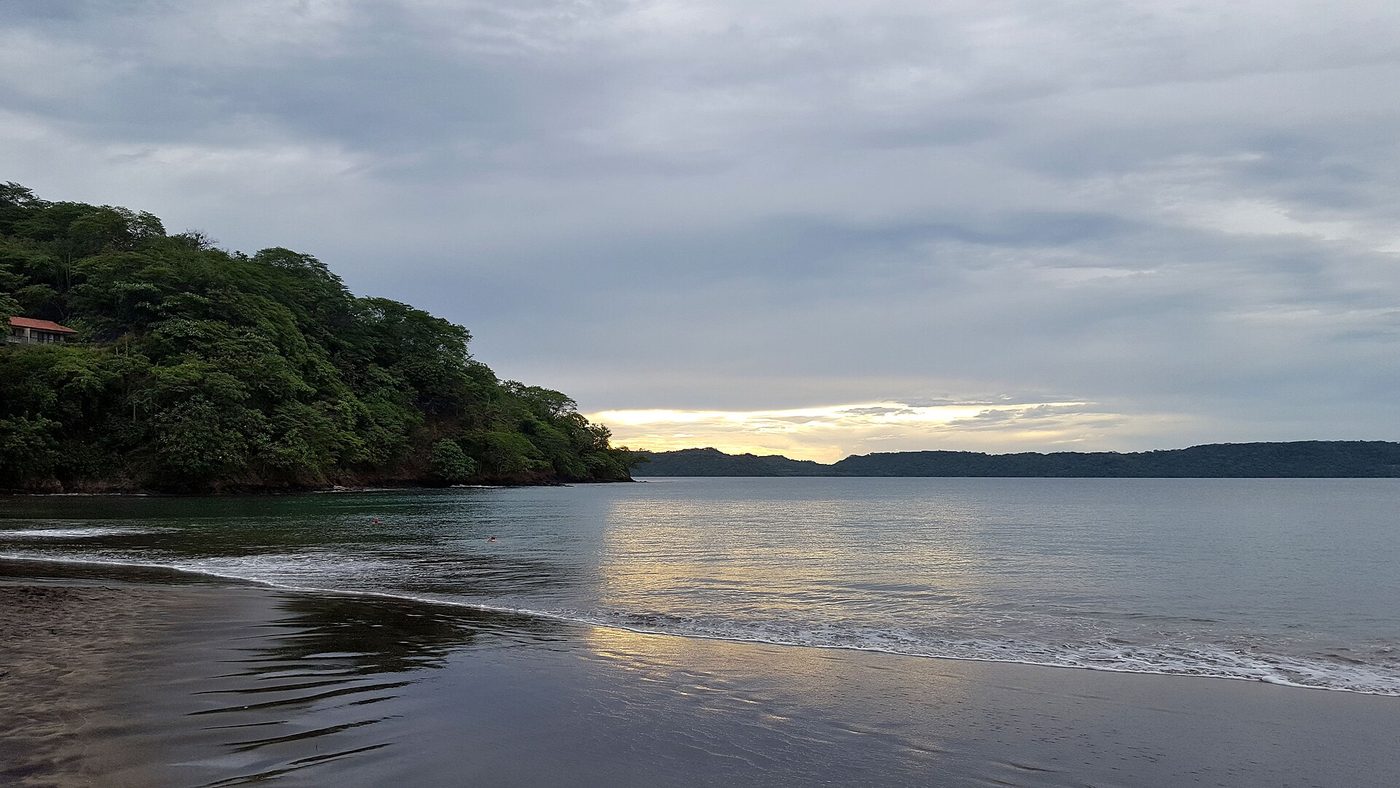
The Papagayo Project is Costa Rica's largest planned tourism development. Created by law in 1979, it covers 1,658 hectares of state land around Bahia Culebra, just north of Playas del Coco. Over four decades it brought an international airport upgrade, world-class resorts, and steady demand that reshaped our town's economy and its real estate market.
We get asked about it constantly, usually in the form of "who owns all that land on the peninsula?" So here is the Papagayo Project history in plain language, what it changed in Coco, and what it honestly did not.
What exactly is the Papagayo Project?
Its full name is the Gulf of Papagayo Tourism Project (Polo Turistico Golfo de Papagayo). It is a state-run development zone wrapped around Bahia Culebra, the deep, protected bay between Playa Hermosa and the Papagayo peninsula.
In 1979, Costa Rica's legislature passed Law 6370, declaring the project of public interest. A second law, Law 6758 of 1982, set the rules for how it would be developed. The land belongs to the Costa Rican state, and the Costa Rican Tourism Institute (ICT) manages it through a dedicated project office. According to the ICT, the zone covers 1,658 hectares, not counting the public beach areas.
That structure matters. Nobody buys land inside the project outright. Instead, the ICT grants concessions: long-term rights to build and operate hotels, residences, and marinas on state land. It is a different world from buying a titled lot in Coco or Ocotal.
Why did Costa Rica pick Bahia Culebra?
The idea came out of a regional Central American tourism initiative in the 1970s. Feasibility studies were finished by April 1978, and the legislature approved the project the following year. The goal was a flagship sun-and-sea destination that could bring international visitors, and their dollars, to a dry, sparsely populated corner of Guanacaste.
On paper, Bahia Culebra was the obvious pick. The bay is calm and deep, the coastline is dramatic, and the dry climate delivers reliable sunshine from December through April. In practice, progress was slow. Through the 1980s and 1990s the project moved in fits and starts, and it drew years of public debate over oversight, construction practices, and environmental impact. Costa Ricans argued about Papagayo long before most foreign buyers had heard of it.
How does land tenure work inside the project?
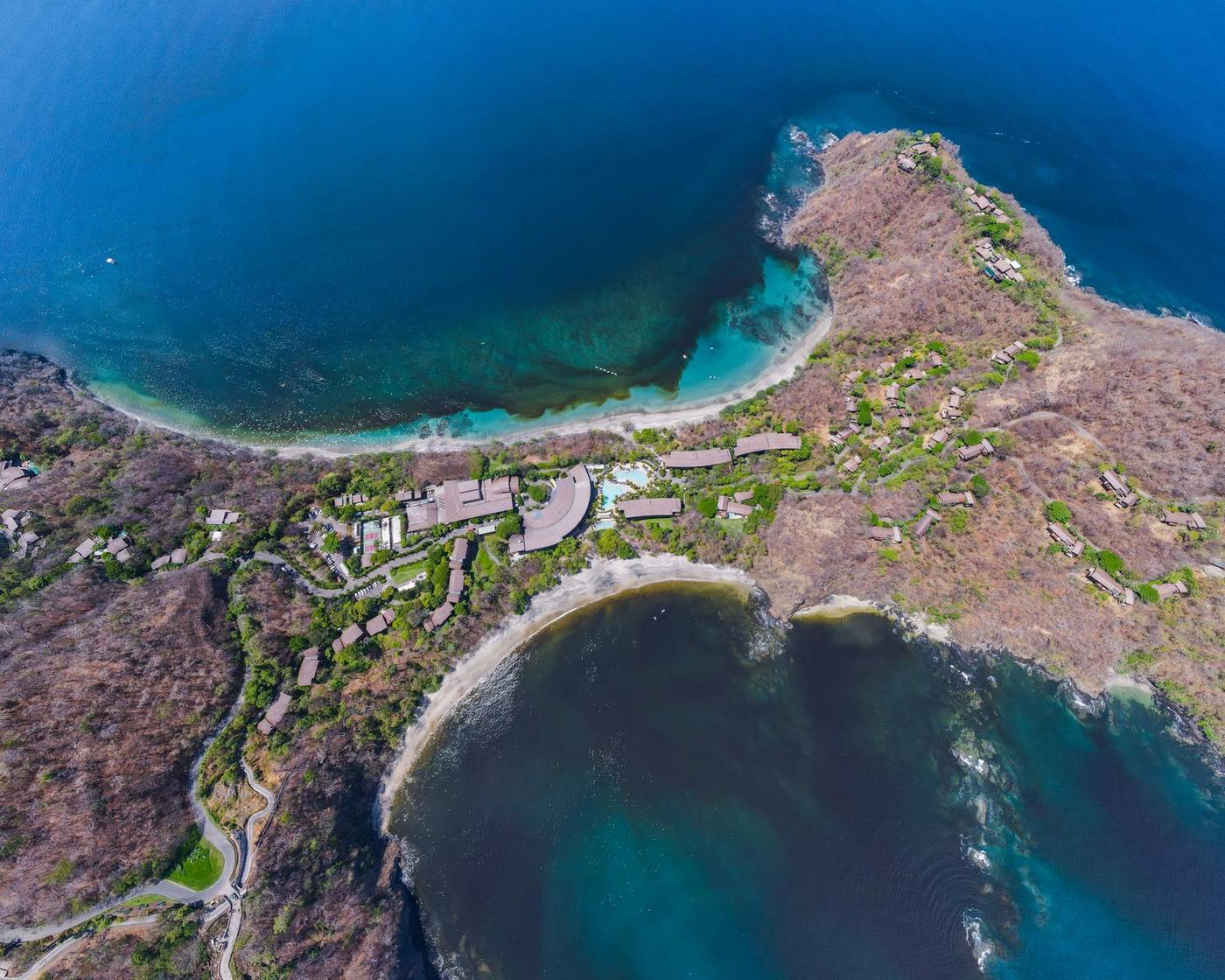
Everything inside the polygon is concession, not title. Under the project's legal framework, concessions run up to 50 years and are renewable for equal periods. A master plan approved in 1995 caps total development at 26,450 rooms, limits buildings to three floors (14 meters), and restricts lot coverage to 30 percent. The ICT, not the local municipality, administers the zone.
Those caps are why the peninsula looks the way it does: low buildings tucked into the tree line instead of high-rise walls along the sand. Whatever you think of mega-projects, the height limit aged well.
If you are considering a concession property anywhere in Costa Rica, inside Papagayo or not, have a licensed Costa Rican attorney review it first. The rules differ from titled ownership in important ways. We wrote a plain-language explainer on the difference in our concession vs. titled properties post.
What did the Papagayo Project change in Playas del Coco?
Almost everything about the local economy, and it happened in identifiable steps.
1995: the airport goes international. Liberia's Daniel Oduber Quiros Airport was re-inaugurated as an international airport in October 1995. Suddenly Guanacaste had its own gateway a short drive from Coco, and visitors no longer faced the long drive from San Jose. A new terminal followed in January 2012.
2004: the Four Seasons opens. The Four Seasons Resort Costa Rica opened on the peninsula in January 2004. It put this coastline on the map for a category of traveler Guanacaste had never seen at scale.
2013: the Andaz follows. Hyatt opened the Andaz Peninsula Papagayo in December 2013, adding a second international flag. Marina Papagayo, a golf course, and hundreds of private residences filled in the master plan, and Nekajui, a Ritz-Carlton Reserve, is the newest arrival.
Each step pushed demand into Coco. The resorts needed staff, suppliers, boat captains, chefs, and managers, and Coco is where much of that workforce lives and shops. Resort guests came into town for sport fishing, dive trips, and dinner. And a steady stream of visitors did what visitors here have always done: they fell for the area, then went looking for property they could actually own. Coco and Ocotal, where land is titled, absorbed much of that demand. It is a big part of how a fishing town became the commercial hub of the northern Gold Coast, a story we trace in our history of Playas del Coco.
What the project did not change
Here is the honest part. The Papagayo Project did not turn Coco into a resort town, and we are glad it did not.
Coco is still a working Costa Rican town with public schools, hardware stores, a health clinic, fishing pangas anchored in the bay, and a main street that belongs to everyone. Every beach in Costa Rica remains public by law, including every cove inside the project. The peninsula is quiet and manicured; Coco is lively and real. Ten minutes apart, they are completely different places, and most of our clients tell us that contrast is exactly why they chose Coco.
The project also did not solve growth's headaches. More visitors and more construction put real pressure on roads, water, and services across the district, and managing that pressure is an ongoing, unfinished job. Anyone who tells you this corner of Guanacaste has no growing pains is selling something.
What does this mean if you are buying near Coco today?
Three practical takeaways from the Papagayo Project history:
- The demand anchor is permanent. A state-backed resort zone with a 50-year concession framework, three luxury flags, and an international airport a short drive away is not going anywhere. That underpins rental demand and resale liquidity in Coco, Ocotal, and Playa Hermosa.
- Titled versus concession is the first question to ask. Property inside the project is concession under ICT rules. Most property in Coco and Ocotal is titled, which most foreign buyers find simpler. Neither is wrong; they are different, and your attorney should walk you through which fits your plans.
- The caps protect the setting. The three-story height limit and density caps inside the project mean the bay's backdrop stays green. That protection is part of what you are buying into anywhere on this coastline.
We have lived and worked here through much of this story, and we cover the wider area in our expat guide to the Papagayo region. If you want to see what titled homes and condos near the project actually cost right now, browse our current listings or send us a message. We are happy to explain how any specific property relates to the project boundary, no pressure and no jargon.
Looking to buy? Browse current Playas del Coco real estate from our local team.
Frequently asked questions
Is the Papagayo Project the same as Peninsula Papagayo?
No. The Gulf of Papagayo Tourism Project is the 1,658-hectare state development zone around Bahia Culebra, managed by Costa Rica's tourism institute (ICT). Peninsula Papagayo is a private resort community inside that zone, roughly 1,400 acres, home to the Four Seasons, the Andaz, and Nekajui, a Ritz-Carlton Reserve.
Can foreigners buy property inside the Papagayo Project?
Yes, but as a concession rather than a title. The Costa Rican state keeps ownership of the land and grants use rights for up to 50 years, renewable for equal periods under the project's rules. It works differently from titled ownership in Coco or Ocotal, so have a licensed Costa Rican attorney review any concession before you commit.
When were the big Papagayo resorts built?
The Four Seasons Resort Costa Rica opened in January 2004 as the zone's first major luxury resort. The Andaz Peninsula Papagayo followed in December 2013, and Nekajui, a Ritz-Carlton Reserve, is the newest addition. Liberia's airport, which made the growth possible, gained international status in October 1995 and a new terminal in 2012.
Cover photo: Federico Mata, CC BY 3.0, via Wikimedia Commons · Photo: Jean Paul Montanaro, Pexels