Playas del Coco vs Tamarindo: An Honest Comparison for Buyers
Two Guanacaste beach towns with very different daily rhythms, compared honestly by a team that lives in one of them.
Playas del Coco vs Tamarindo comes down to lifestyle. Coco is a calm-water, year-round expat town about 30 minutes from Liberia airport, better for full-time living, diving, and fishing. Tamarindo is a surf town roughly 90 minutes out, with bigger crowds, stronger nightlife, and a more tourist-driven rhythm. Both can work for buyers; they just work differently.
We sell property in both markets, and we live in Coco, so we will be upfront about where our bias sits. That said, we have watched plenty of buyers choose Tamarindo for good reasons. An honest Playas del Coco vs Tamarindo comparison is about fit, not about one town beating the other.
How far is each town from Liberia airport?
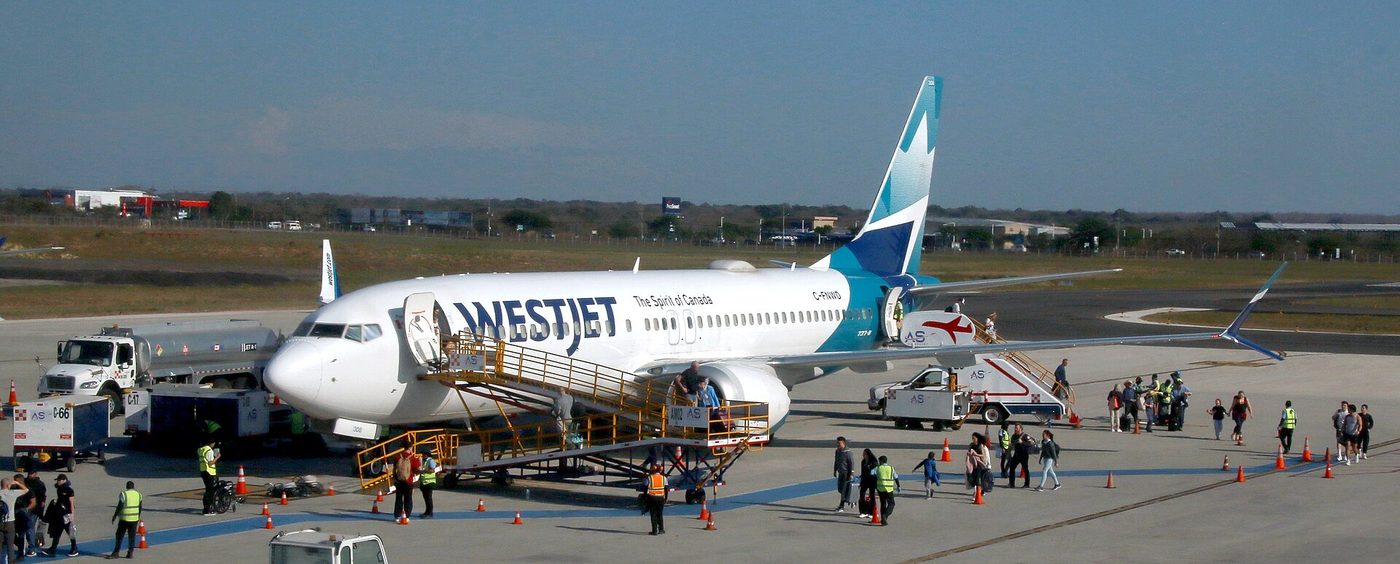
This is the most concrete difference between the two, so we will start with it. Playas del Coco sits about 25 kilometers from Liberia International Airport (LIR), a drive of roughly 30 minutes on fully paved roads. Tamarindo is around 78 kilometers from Liberia, and Rough Guides puts the drive at about 1.5 hours. In practice we plan on 70 to 90 minutes depending on traffic through Huacas and Villarreal.
Why does this matter to a buyer? Three reasons. First, your own travel days get shorter. Second, guests renting your property feel the difference: a family landing at 3 p.m. can be in a Coco pool by 4. Third, if you ever need the private hospitals in Liberia, 30 minutes is a different conversation than 90. None of this makes Tamarindo a bad choice. It just means Coco wins on pure logistics, and it is not close.
What are the beaches really like?
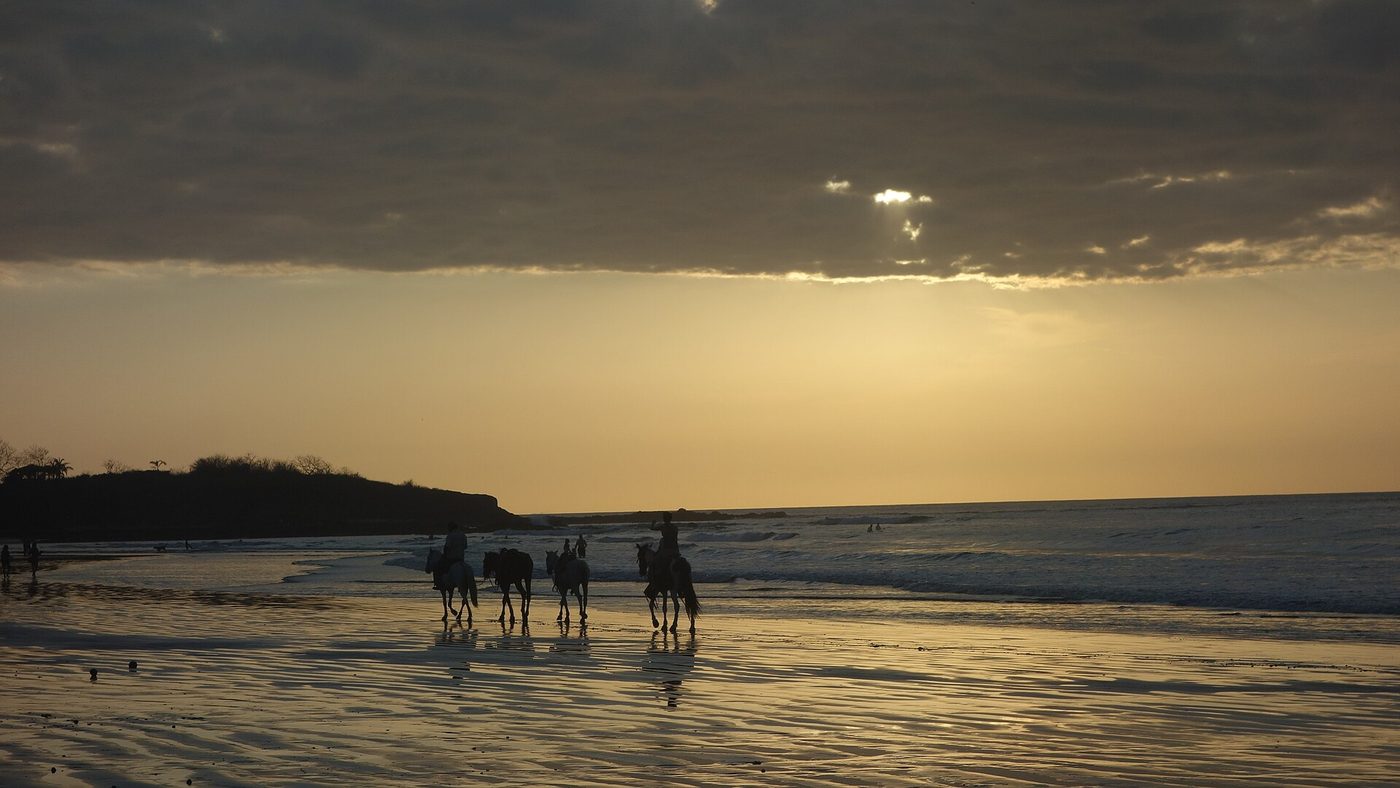
Here Tamarindo takes the round, and we will not pretend otherwise. Playa Tamarindo is a long, light-sand beach with consistent, beginner-friendly surf, and it connects to a genuinely special piece of coastline. Across the estuary, Playa Grande is one of the world's important nesting beaches for the critically endangered leatherback turtle, protected inside Las Baulas National Marine Park. If surfing is central to your life, Tamarindo is the obvious pick and Coco is the wrong one.
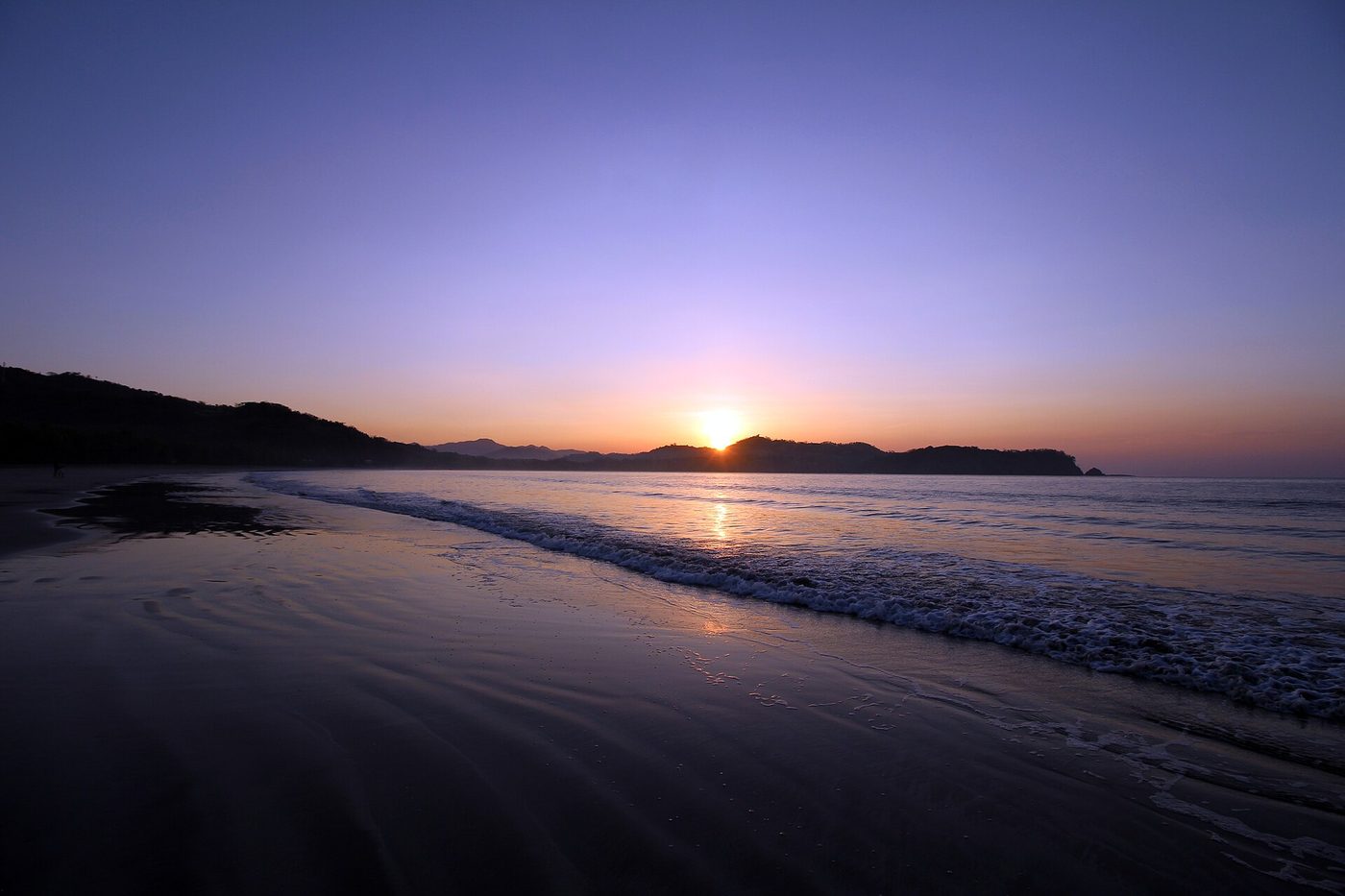
Playas del Coco is a different kind of beach. The sand runs gray to brown, the bay is calm and dotted with anchored fishing boats and dive boats, and there is no surf to speak of. What Coco's bay does offer is protected water for swimming and paddleboarding, plus boat access: sport fishing charters and dive trips toward the Catalina Islands leave right from the beach. Coco's real beach advantage is what surrounds it. Playa Ocotal, Playa Hermosa, and a string of small coves sit within about 15 minutes, so residents treat the whole coastline as their beach rather than one strip of sand.
Which town feels like home, and which feels like vacation?
Coco is a working Costa Rican town that tourists visit. Tamarindo is a tourist town that some people live in. That is the honest shorthand, and it drives more buyer decisions than any price chart.
Coco has banks, pharmacies, medical and dental clinics, hardware stores, and supermarkets that serve residents year round. The Costa Rican community in Coco and neighboring Sardinal is large and long established, and the expat community skews toward full-time residents and retirees, with a strong Canadian and American snowbird presence in high season. We wrote more about that mix in our guide to what makes Playas del Coco different from other Guanacaste beach towns.
Tamarindo runs on tourism. That brings real upsides: a deep bench of restaurants, more nightlife, more English spoken everywhere, and a livelier street scene than Coco can offer. It also means the town's rhythm is set by visitors. High season is packed, green season is much quieter, and the crowd around you changes every week. Some owners love that energy. Others find, after a year or two, that they want neighbors who stay.
What does your money buy in each town?
We are careful with printed numbers because both markets move, so treat this as pattern rather than price list. In general, Tamarindo commands a premium for comparable proximity to the beach. It has been an international destination longer, its name carries weight with foreign buyers, and inventory near the sand is limited. One technical note: along parts of that coastline, beachfront property is held as concession rather than titled land, which changes what foreigners can own outright. We explain the difference in our post on concession vs titled properties, and a good local attorney should walk you through any specific parcel.
Coco offers a wider spread. Gated condo communities like Las Palmas and Pacifico cover the entry and middle of the market, hillside homes in Coco Bay Estates and above Ocotal carry big ocean views, and there is still buildable land within minutes of town. Dollar for dollar, buyers usually get more square meters, or a better view, in Coco than in Tamarindo. If you want current comparables for either town, ask us. We would rather show you live numbers than publish stale ones. You can see what is on the market now in our property listings.
How do the vacation rental markets compare?
Both towns have real short-term rental demand, and both are competitive. Tamarindo's demand leans on surf tourism and a younger crowd, which supports healthy nightly rates but also means owners compete against a large supply of similar condos. Coco's demand is broader: diving and fishing groups, families, snowbirds staying a month or more, and overflow from the Papagayo resorts to the north. We manage about 40 vacation rentals in Coco and Ocotal, and the pattern we see year after year is simple: well-run properties fill their high-season calendars months in advance, and green season is where management quality separates the winners. We cover the wider area in our expat guide to life in the Papagayo region.
One honest caveat: our day-to-day management portfolio is on the Coco side, so our operating experience comes from there. What we can say with confidence is that a short airport transfer helps bookings for shorter stays, and Coco's 30-minute run from LIR is something guests genuinely notice and mention.
What are the honest downsides of each?
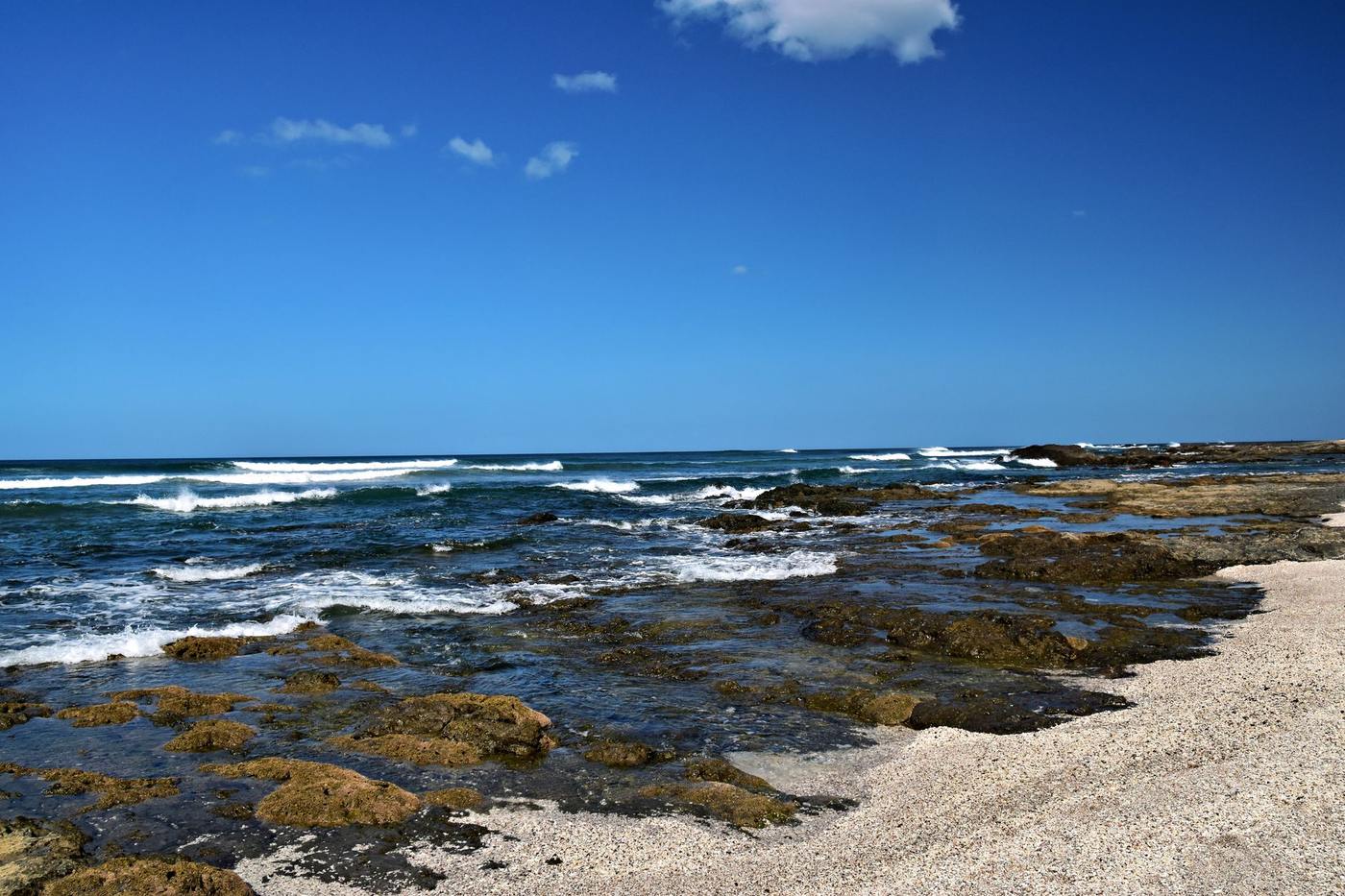
Coco first, since we live here. The beach itself will not win postcard contests; if your dream is white sand at your doorstep, accept a short drive or look elsewhere. There is no surf. Late dry season, roughly February through April, turns the hills brown and the streets dusty. And the town center, while much improved by the renovated boardwalk, is still a working town, not a manicured resort.
Tamarindo's tradeoffs are the mirror image. The airport run is about three times longer. High-season traffic through Villarreal and central Tamarindo can be genuinely slow. Nightlife noise is real if you buy near the center. And because the economy is tourism-first, some everyday errands and specialist medical visits mean driving to Huacas, Santa Cruz, or Liberia anyway.
So which town should you buy in?
In the Playas del Coco vs Tamarindo decision, choose Tamarindo if surf is a daily habit, you want maximum restaurant and nightlife options, and a busy international scene energizes you. Choose Playas del Coco if you are moving here full time or splitting the year, you value a short airport run, calm water, diving, and fishing, and you want a town where the pharmacist knows your name by month three. Plenty of owners have also done well buying in one town and vacationing in the other.
The best way to decide is boots on sand: spend a week in each, in the season you actually plan to live here. When you are ready to compare specific properties, start with our Playas del Coco area guide, browse the current listings, or send us an inquiry. We will give you a straight answer about both towns, including when the honest answer is that Tamarindo suits you better.
Frequently asked questions
Is Playas del Coco or Tamarindo closer to Liberia airport?
Playas del Coco is much closer. The drive from Liberia International Airport (LIR) to Coco is about 25 kilometers and takes around 30 minutes on paved roads. Tamarindo is roughly 78 kilometers from the airport, and the drive usually takes 70 to 90 minutes depending on traffic through Huacas and Villarreal.
Can you surf in Playas del Coco?
Not in the bay itself. Coco's water is calm and protected, which is great for swimming, paddleboarding, and boat trips, but there is no surf break in town. Surfers based in Coco usually drive about an hour to the breaks around Tamarindo and Playa Grande, or join boat charters heading to breaks farther up the coast.
Which town is better for vacation rental income, Coco or Tamarindo?
It depends on the specific property, so be wary of blanket claims. Tamarindo supports healthy nightly rates but has a large supply of similar condos. Coco draws families, divers, anglers, and long-stay snowbirds, and its 30-minute airport transfer helps bookings. We manage about 40 rentals in Coco and Ocotal and can share current patterns.
Cover photo: Rômulo Gama Ferreira from Vitória-ES, CC BY 2.0, via Wikimedia Commons · Photo: Jeffrey Eisen, Pexels