The Fishing Boats of Coco Bay: A Working Harbor, Then and Now
Playas del Coco grew into an expat hub, but the boats in the bay still work for a living.
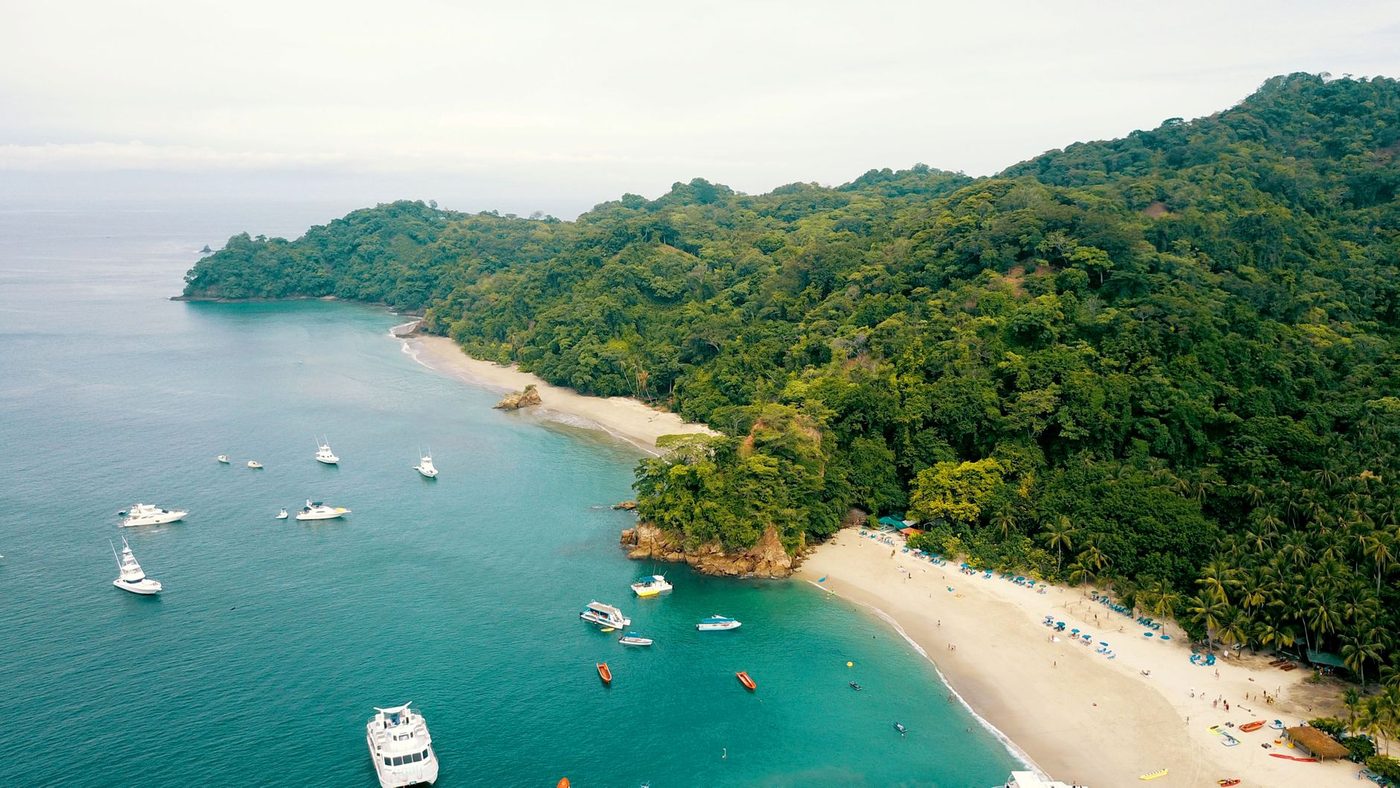
The Coco Bay fishing boats are working boats, not decoration. Playas del Coco began as a fishing village, and pangas still head out from the bay most mornings, sharing the anchorage with charter boats chasing sailfish and tuna. The town became one of Guanacaste's busiest expat hubs, but its harbor never stopped working.
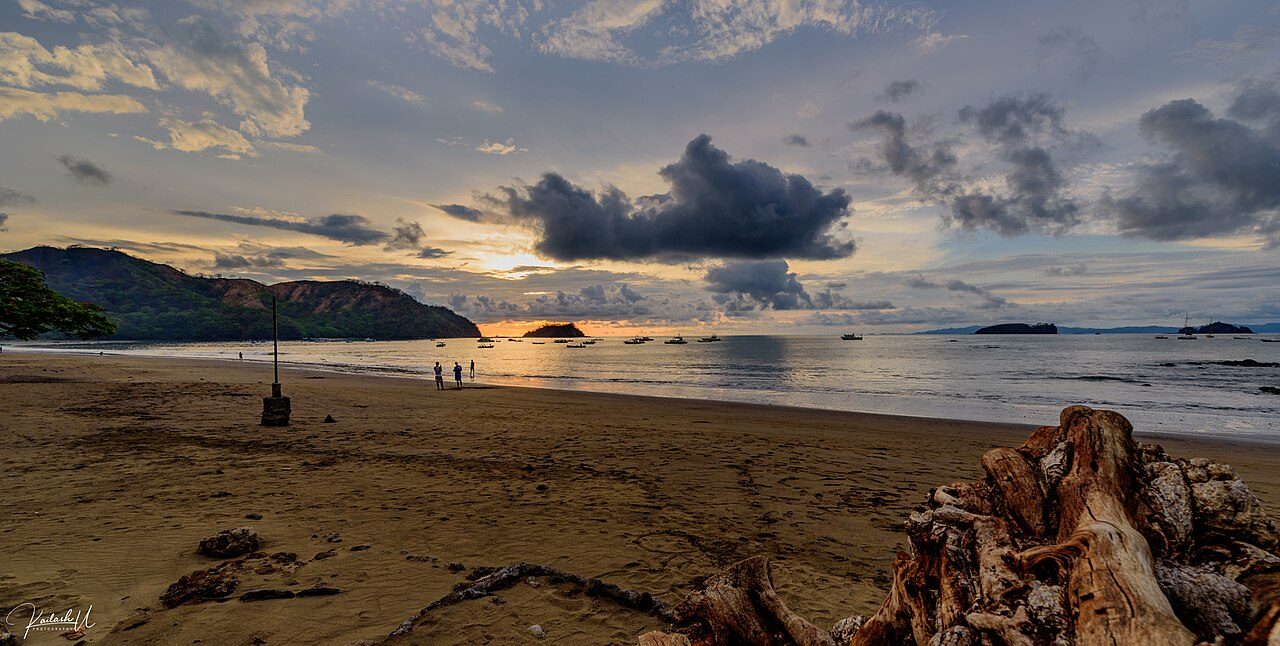
We see it every day. Walk the beach a little after sunrise and the bay is already busy: skiffs riding at anchor, a captain wading out with a cooler on his shoulder, pelicans following a panga back in to see what it brought. Frigatebirds circle high over the anchorage, and by seven the first coolers of fresh catch are crossing the sand toward the restaurants. This post is the story of those boats, where they came from, how the harbor works now, and how you can go out with them yourself.
How did Playas del Coco become a fishing town?
People fished this bay long before anyone built a hotel on it. The Chorotega, the indigenous people of this coast, fished and farmed here centuries before the Spanish arrived, and the area stayed rural and quiet through the colonial era. For most of its modern history Coco was a small settlement of fishing families, reached by dirt roads, where the boats were the economy.
By the middle of the 20th century, Costa Rican families from inland Guanacaste and the Central Valley had discovered Coco as a weekend beach escape. That gave the town a second identity as a local holiday spot, but fishing remained the daily work. If you want the longer version of the town's story, we wrote a full post on the history of Playas del Coco.
What changed when tourism arrived?
The big shift came in the 1990s, when international visitors and foreign residents began arriving in numbers. Coco sits roughly 32 kilometers from Liberia, so when Liberia's international airport grew into a real gateway, this was one of the easiest beach towns in the country to reach. Roads were paved, condos went up, and the town filled with restaurants, banks, and supermarkets.
Here is what did not change: the fleet. Unlike some resort areas that were built from scratch around a golf course or a master plan, Coco grew around a town that already existed. The fishing families stayed, and many of their sons and grandsons now run the pangas and charter boats you see in the bay. That mix of working town and beach town is a big part of what makes Coco different from other Guanacaste beach towns.
How does the harbor work without a marina?
Playas del Coco has no marina. There are no slips, no fuel dock, no dockside restaurant. The boats sit on moorings and anchors out in the bay, and everything moves across the beach. Passengers board by small tender or by wading out to a panga at the water's edge. Ice, bait, fuel, and coolers of fish all make the same trip, carried by hand or by cart across the sand.
It sounds inconvenient, and honestly, sometimes it is. It is also why the harbor still feels alive. The catch comes ashore in front of everyone. Local restaurants buy fish straight from the captains, neighbors buy from coolers on the beach, and in the afternoons you will see crews mending lines and scrubbing hulls in the shade. Boaters who want full marina services keep their vessels at Marina Papagayo, on the Papagayo Peninsula north of us, but the working fleet of Coco Bay stays right here on the hook.
What do the boats catch, and when?
The Coco Bay fishing boats split their work into two worlds. Inshore, the pangas work the rocky points and islands for roosterfish, snapper, and grouper, usually within sight of land. Offshore, the bigger charter boats run for sailfish, marlin, yellowfin tuna, and mahi mahi. Guides here generally see the best tuna and mahi action from around May through September, while sailfish show up through much of the year. Seasons shift with water temperature, so treat any calendar as a guide and ask the captains what is biting now. Our post on the best time to visit Costa Rica covers how the seasons work more broadly.
One rule every visitor should know: billfish are released here. Costa Rican regulations require catch and release for sailfish and marlin, and according to FECOP, Costa Rica's sport fishing federation, boats are also limited to landing five fish per trip regardless of how many anglers are aboard. Good captains handle billfish photos with the fish in the water. Rules change, so confirm the current regulations before your trip.
Do you need a license to fish from Coco?
If you fish from any kind of vessel in Costa Rica, you need a license from INCOPESCA, the government fisheries institute. Licenses are sold online in short term, monthly, and annual versions, and most charter captains in Coco will simply arrange one for you as part of the booking. It is inexpensive relative to the cost of a charter, and the money supports fisheries management. Casting from the beach is treated more loosely, but check the current rules before you count on that.
Booking is refreshingly simple here. There is no marina office. You talk to a captain, often through your rental manager or a beachfront kiosk, agree on a half day or full day, and meet on the sand the next morning. Half day inshore trips on a panga cost far less than full day offshore runs, and for families with kids the calm morning water inside the bay is the easy choice.
Why a working harbor is good news if you live here
We manage vacation rentals in Coco and Ocotal, and we hear the same thing from guests and buyers again and again: they came for the beach, but they stayed because Coco felt like a real town. The Coco Bay fishing boats are a big part of that. A working harbor means fresh fish on menus, year-round jobs that do not depend only on tourism, and a main beach with some grit and life to it.
It also means a tradeoff worth being honest about. The beach in front of town is a working beach. There are boats, mooring lines, and traffic on the water, so it is not the postcard swimming beach you may be imagining. For quiet swimming and snorkeling, locals drive five minutes south to Ocotal or walk to the calmer ends of the bay. Plenty of people, us included, think that trade is worth it.
If you are curious what living near this harbor looks like, browse our current listings in Coco and Ocotal, or send us a message and we will point you to the captains we trust for a first trip on the bay.
Ready to see what is on the market? Explore our homes, condos and lots in Playas del Coco, every one walked in person by our team.
Frequently asked questions
Are there still working fishing boats in Coco Bay?
Yes. Playas del Coco began as a fishing village, and local pangas still fish from the bay most mornings, alongside sport fishing charters. There is no marina, so the boats sit on moorings offshore and load from the beach. You can watch the catch come ashore and buy fish directly from local captains.
Do you need a fishing license in Playas del Coco?
If you fish from a boat, yes. Costa Rica requires a license from INCOPESCA, the government fisheries institute, for anyone fishing from a vessel. Licenses are sold online in short term, monthly, and annual versions, and most Coco charter captains will arrange one for you when you book. Confirm current rules before your trip.
Is there a marina in Playas del Coco?
No. Coco Bay is an open anchorage: fishing boats and charters moor in the bay, and passengers board by tender or by wading out from the beach. The nearest full service marina is Marina Papagayo on the Papagayo Peninsula, a short drive north. For most visitors, boarding from the sand is part of the charm.
Cover photo: Diego Madrigal, Pexels · Photo: Kailash U, CC0, via Wikimedia Commons