The Story of El Coco's Church, Plaza, and Boardwalk
How a love song, a soccer field, and a simple church became the heart of Playas del Coco.
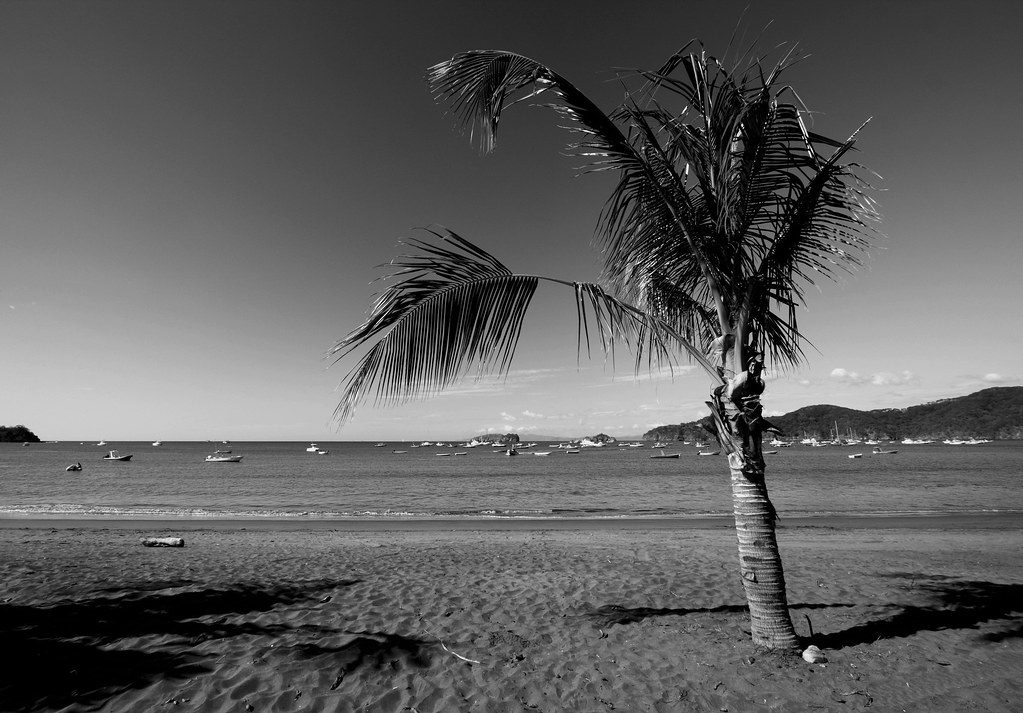
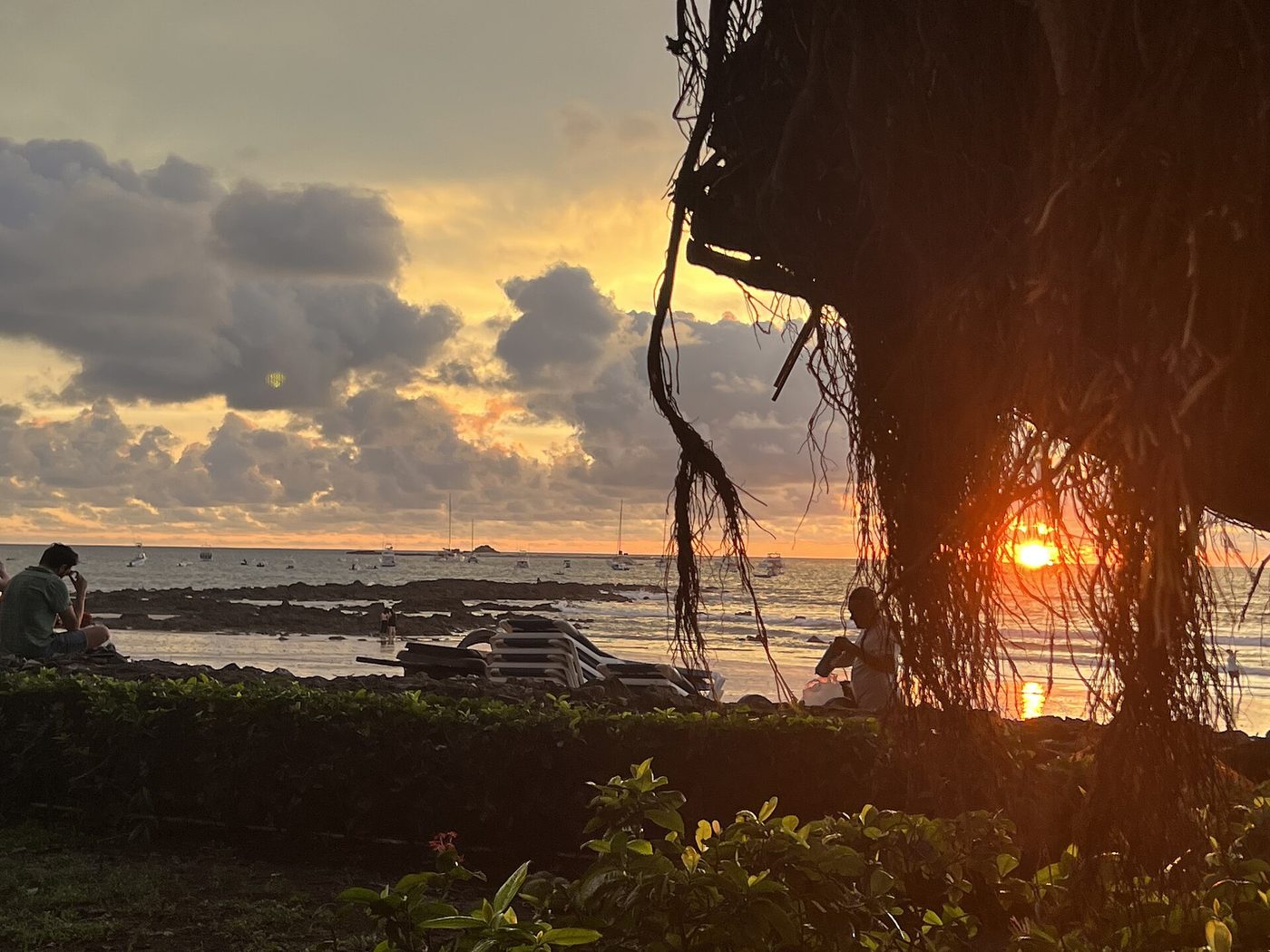
The El Coco boardwalk, officially named Paseo Amor de Temporada, runs 420 meters along the beachfront of Playas del Coco, Costa Rica. Together with the town's small Catholic church and the plaza beside it, it forms the civic heart of Coco: the gathering place where local life happened long before tourism arrived, and where it still happens today.
We walk this stretch of town most days, and we send a lot of first-time visitors down it too. Most people stroll the boardwalk, snap a sunset photo, and never learn the story behind it. That story says a lot about what kind of town Playas del Coco really is, so we wrote it down.
Why do a church, a plaza, and a boardwalk tell the story of a town?
Almost every Costa Rican town grew up around the same three things: a church, a plaza (which here usually means the community soccer field, not a paved square), and a few family businesses in between. Coco followed the pattern with one twist. Its front porch is the beach.
Playas del Coco sits in the district of Sardinal, canton of Carrillo, about 25 kilometers from Liberia. For most of its life it was a fishing village, and the sand itself served as the town commons: boats came in, fish got sold, kids played, and families spread out under the almond trees at the high-tide line. If you want the longer arc of how the village became the busiest beach town in this corner of Guanacaste, we cover it in our post on the history of Playas del Coco.
The church, the plaza, and the boardwalk are simply the three places where that old village life is still visible. None of them is grand. That is exactly the point.
What is the story behind the El Coco boardwalk?
For decades the beachfront at the end of the main street was a jumble of informal structures and parked cars. In January 2011, La Nación reported that the municipality was clearing the area to build a 420-meter pedestrian boulevard along the shore, budgeted at 280 million colones and slated to open that April. The plans included native almond, palm, and olive trees with underground irrigation and lighting, decorative lampposts, terraces of recycled plastic lumber, a basketball court, and two beach volleyball courts. A pier was proposed for a later phase.
Not everything arrived on schedule (little in Costa Rica does), but the result is the paseo you see today: a palm-lined walkway between the town center and the sand, with benches, shaded terraces, courts, and space for artisan vendors. Locals exercise on it at dawn. Families fill it at dusk. On holiday weekends it turns into one long open-air living room. If you hear people mention the Coco malecón, the bulevar, or the paseo marítimo, they all mean the same thing: the El Coco boardwalk.
The song behind the name
The official name, Paseo Amor de Temporada, honors a piece of Guanacaste's musical history. "Amor de temporada" (seasonal love) is a song composed around 1930 by Héctor Zúñiga Rovira, then a teenager, and its lyrics tell of a summer romance set right here at Playas del Coco, complete with guitars, marimbas, and boats on the bay. Zúñiga died in 1995, and in 2024 Costa Rica's Legislative Assembly declared him a Benemérito of the nation's arts, as Semanario Universidad has chronicled. Naming the waterfront after his song was the town's way of saying that Coco was a place people fell in love with a century before anyone built a condo here.
What about El Coco's church?
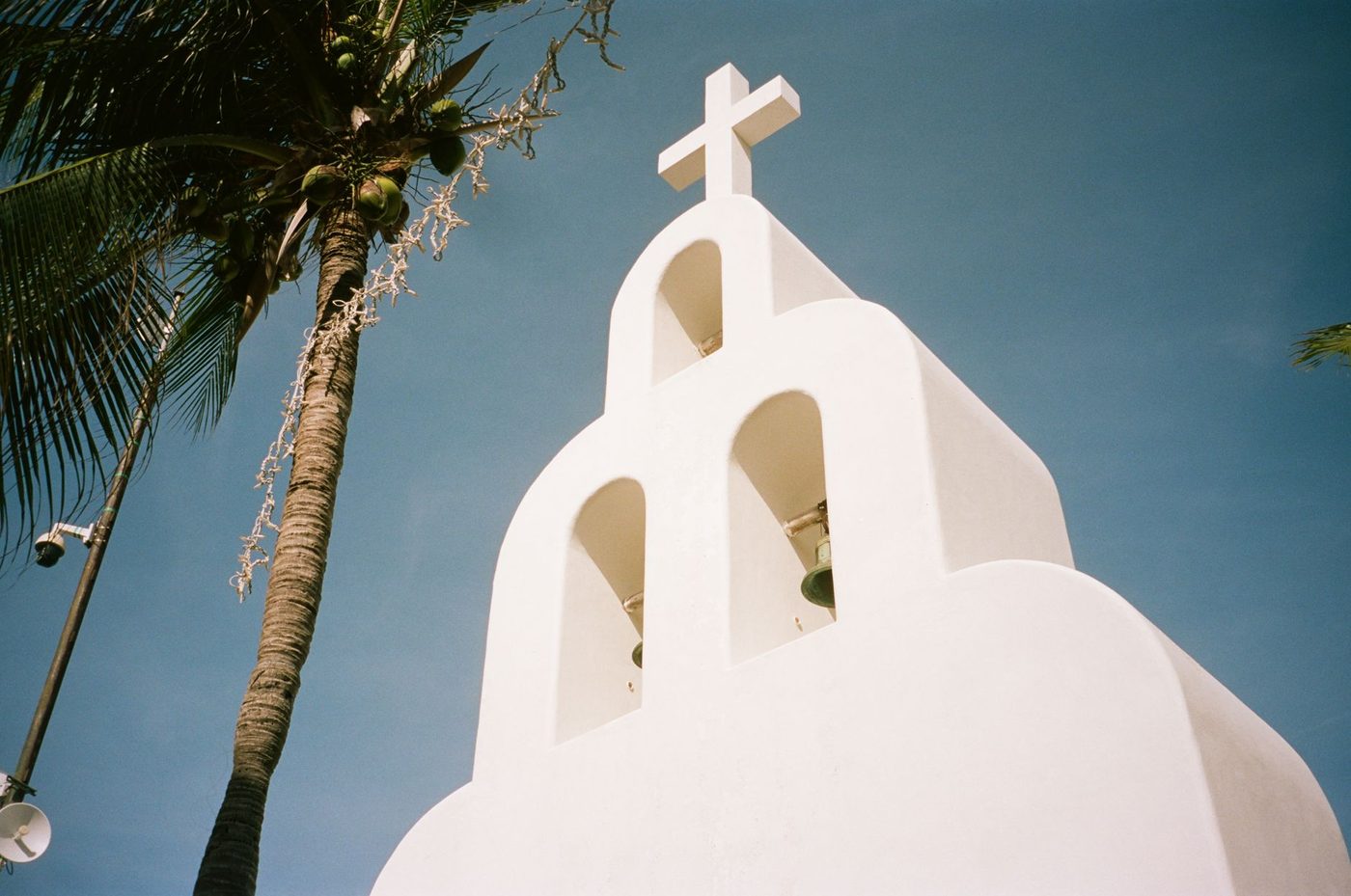
One block from the boardwalk, just off the main street, sits the town's small Catholic church, known locally as the San Martín church. It is a modest, working church, not a colonial monument. Coco is a young town by Costa Rican standards, so you will not find 300-year-old stonework here. What you will find is a congregation that has baptized, married, and buried generations of local fishing families.
The church in Coco belongs to the parish of San Jerónimo, based a few kilometers inland in Sardinal, which has long served the villages of this district. Masses are in Spanish, and several English-language congregations also meet in and around Coco and Sardinal. Schedules change, so check locally before you go.
The church's biggest moment each year comes in July, during the Fiesta de la Virgen del Mar, celebrated around the Saturday closest to July 16. Coco is one of the Costa Rican communities that honors the Virgin of the Sea, and the celebration is exactly what you would hope for in a fishing town: decorated boats carry the Virgin's image across the bay while people watch from the sand and the paseo. It is one of the clearest reminders that underneath the dive shops and real estate signs, Coco is still a harbor town. We wrote about how this region celebrates its identity in our post on Guanacaste Day.
Where is the plaza, and what actually happens there?
Next to the church sits the plaza de deportes, the town's open sports field. If you come from North America expecting a plaza to be a paved square with fountains, adjust the picture: in rural Costa Rica, the plaza is where the town plays soccer. It is also where much of everything else happens: pickup games most evenings, school events, community fairs, and the occasional traveling fiesta with food stands and rides.
The church-plaza pairing matters more than it looks. It keeps the geographic center of Coco anchored to community life rather than to tourism. Walk two minutes from the souvenir shops and you are watching a barefoot soccer game that could be happening in 1985. For our money, that mix is what separates Coco from purpose-built resort towns, a point we expand on in what makes Playas del Coco different from other Guanacaste beach towns.
What do these landmarks mean for living in Coco today?
If you are thinking about buying or renting here, the church, plaza, and boardwalk tell you three practical things.
- Coco has a real center. Many Guanacaste beach communities are strings of gated developments with no town attached. Coco's walkable core, with the paseo at one end and the church and plaza a block away, means you can live here without driving everywhere.
- Local life never left. The town remains home to Costa Rican families, schools, and traditions, not just vacationers. That keeps services, ferias, and year-round energy that pure resort zones lack.
- Honest tradeoff: the center is lively. During holiday weeks and the July fiestas, the boardwalk area is loud and busy into the night. If you want silence, look at the hillsides or at Ocotal rather than the blocks around the paseo. We tell buyers this on day one.
We manage 60+ vacation rentals in Coco and Ocotal, and the pattern in guest reviews is consistent: people remember sunset on the boardwalk more than almost anything else about their stay. A town that built its waterfront around a love song understood something about itself.
If you would like to see how homes and condos sit relative to the boardwalk, the church, and the plaza, browse our current listings, read our Playas del Coco area guide, or send us a message. We are happy to walk the paseo with you and point out the stories as we go.
Ready to see what is on the market? Explore our homes, condos and lots in Playas del Coco, every one walked in person by our team.
Frequently asked questions
What is the El Coco boardwalk called?
Its official name is Paseo Amor de Temporada, after a song composed around 1930 by Héctor Zúñiga Rovira about a summer romance at Playas del Coco. Locals also call it the bulevar, malecón, or paseo marítimo. It runs roughly 420 meters along the beach at the foot of the main street, with benches, courts, and shaded terraces.
Is there a Catholic church in Playas del Coco?
Yes. A small Catholic church, known locally as the San Martín church, sits one block from the beach next to the town plaza. It belongs to the parish of San Jerónimo in nearby Sardinal, and masses are held in Spanish. Several English-language congregations also meet around Coco and Sardinal. Check schedules locally, since times change.
When was the Playas del Coco boardwalk built?
The municipality announced the project in January 2011 as a 420-meter pedestrian boulevard budgeted at 280 million colones, with an opening planned for that April. The finished paseo opened in the early 2010s and has since become the town's main gathering spot for sunset walks, exercise, and the July Virgen del Mar festival.
Cover photo: fishwasher, CC BY 2.0, via Openverse · Photo: Tiarra Sorte, Pexels