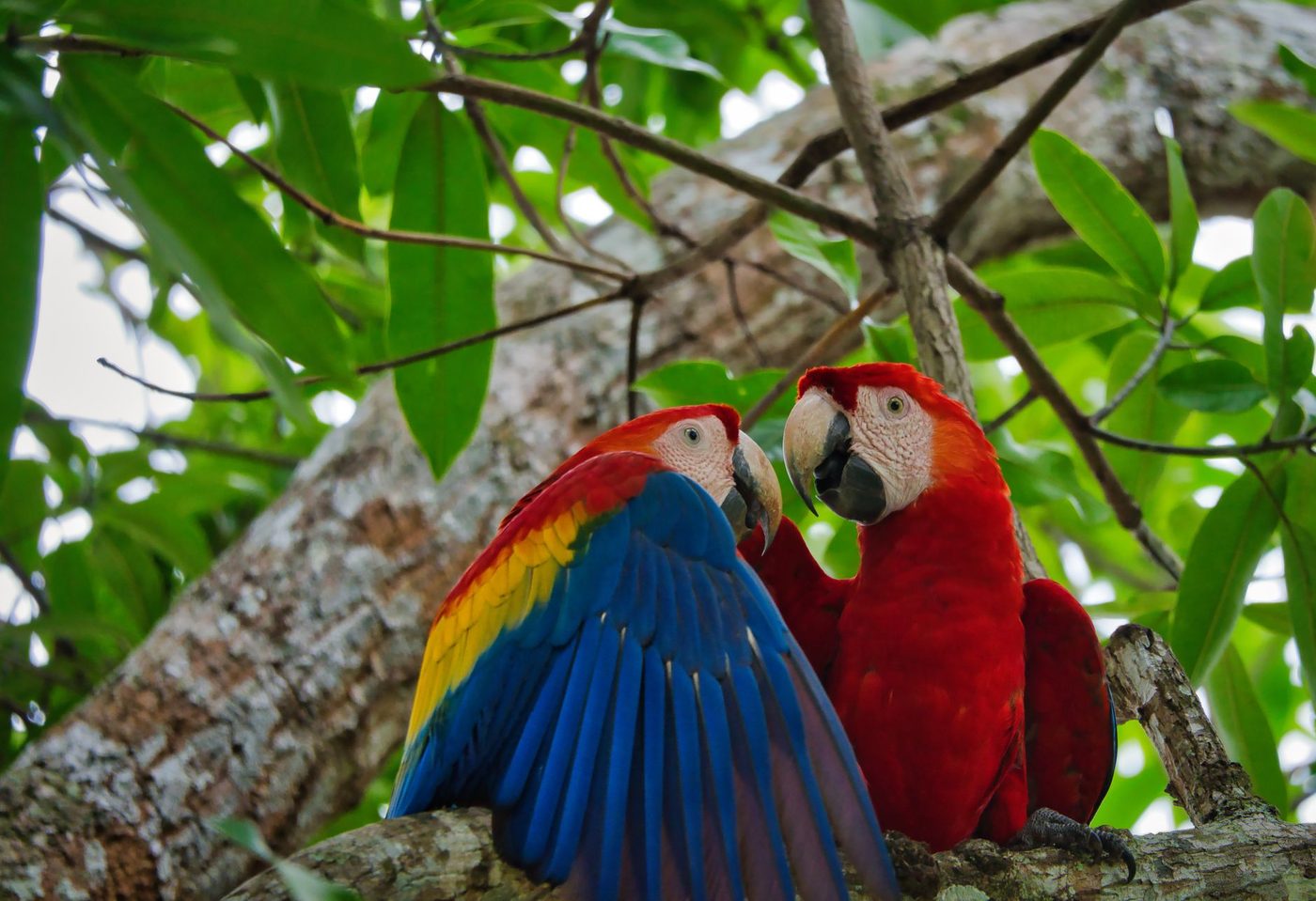
What Playas del Coco Looked Like in the 1980s and 1990s
Before the condos and the direct flights, Coco was a fishing village with dirt roads and a quiet bay.
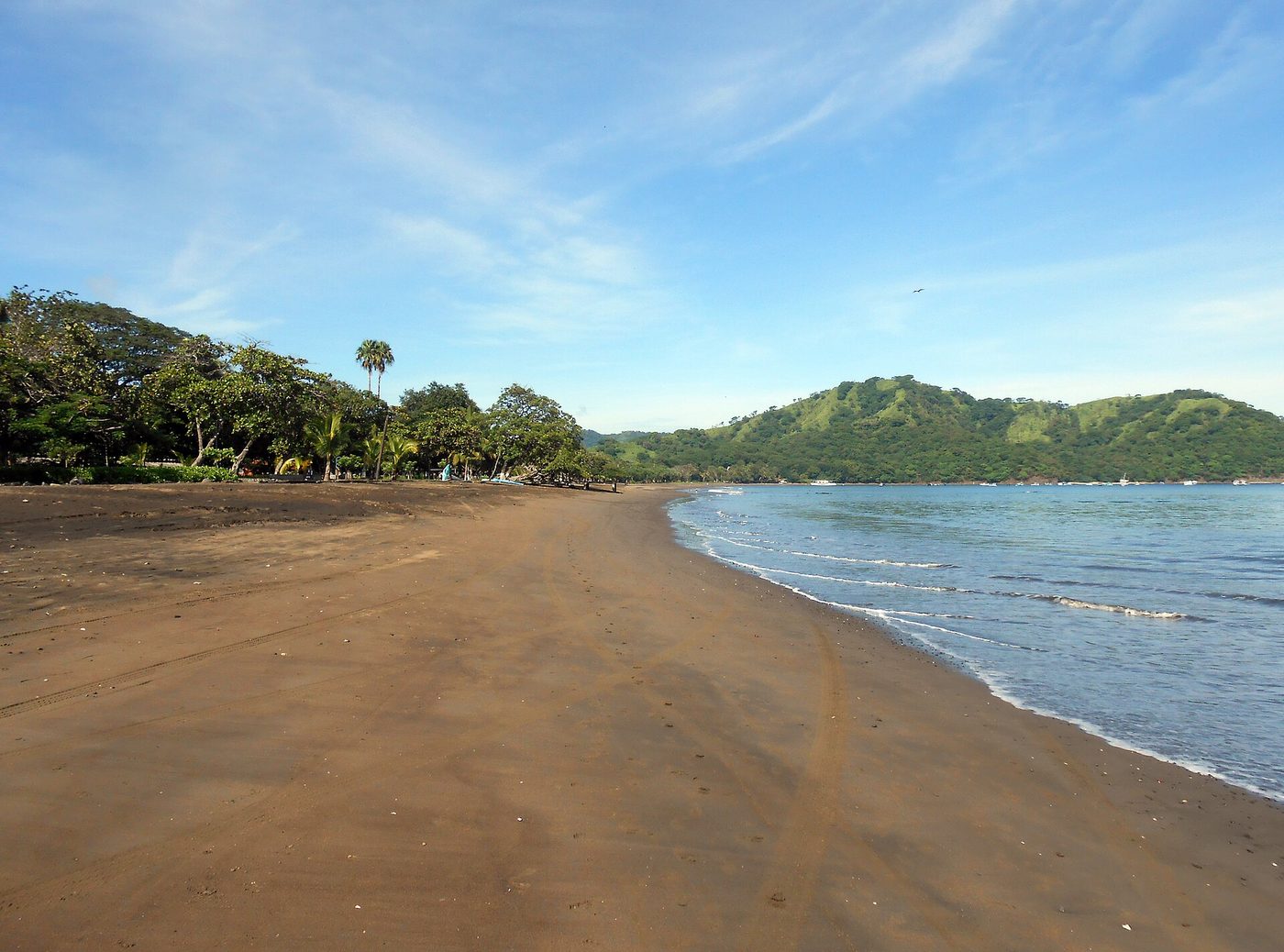
In the 1980s, Playas del Coco was a small fishing village: a dark sand beach lined with wooden pangas, a dusty plaza, a handful of sodas and bars, and weekend visitors from San José. Through the 1990s, rising international tourism, the Papagayo Project, and Liberia's upgraded airport slowly turned that village into the busy beach town you see today.
We sell homes and manage vacation rentals in Coco now, but we think you understand a town better when you know what it grew out of. So this post walks through what Playas del Coco looked like in the 1980s and 1990s, decade by decade, using the records that actually survive. And a small confession up front: finding openly licensed photos from that era is nearly impossible, and we explain why below. If your family has old prints of Coco in a drawer somewhere, we would honestly love to see them.
What did Playas del Coco look like in the 1980s?
Start with the geography, because it has not moved. The same crescent bay, the same dark volcanic sand, the same green headlands closing in on both sides. Now subtract almost everything built along it since: the condo towers, the malecon, the supermarkets, the paved boulevard into town.
What was left was a working fishing village in the district of Sardinal. Fishing was the main economic activity. Boats anchored in the calm bay, and the catch came ashore on the sand. As we covered in our post on the history of Playas del Coco, the town spent most of the 20th century with dirt roads and minimal infrastructure, and its visitors were mostly Costa Rican families from San José who drove out for weekend getaways. Coco was one of the easiest beaches for them to reach in Guanacaste, which made it a local favorite long before any foreigner bought a lot here.
The numbers explain why nothing bigger had happened yet. In 1988, all of Costa Rica received about 329,000 foreign visitors in an entire year, according to figures compiled from the national tourism board (Tourism in Costa Rica). Today the country welcomes that many in a busy month or two. There was simply no wave of international tourists for Coco to catch. The road network was rough, flights arrived through San José on the other side of the country, and Guanacaste was known for cattle, not condos.
Why are photos of Coco from that era so hard to find?
This was planned as a photo essay, so here is the honest part: we searched Wikimedia Commons and public archives for photographs of Playas del Coco from the 1980s and 1990s with licenses that allow republishing, and we came up empty. That is not because nobody took pictures. It is because film photos from a small Guanacaste beach town live in family albums, not on the internet. Very little of that material has been digitized, and almost none of it carries a clear license a publisher can legally use.
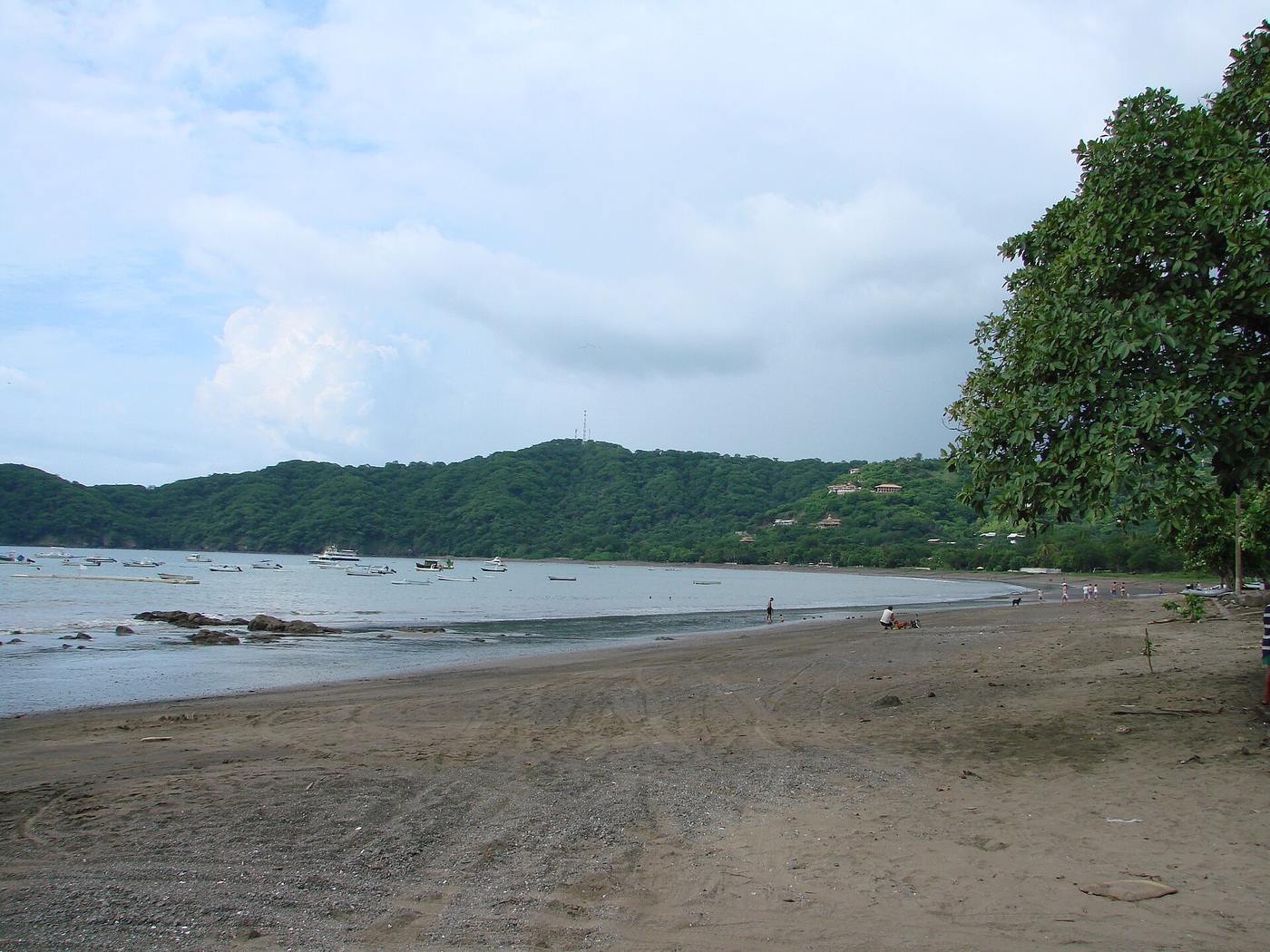
So the photos in this post are recent ones, chosen deliberately because they show the parts of Coco that have not changed: the wide dark sand at low tide, the fishing boats riding at anchor, the headlands and the islands offshore. Squint past the beach chairs and you are looking at roughly the same scene a visitor saw forty years ago. If you or your family photographed Coco before 2000 and you are willing to share scans, contact us. We will credit you, and we think the town deserves a public record of its past.
What changed in the 1990s?
The short answer: Costa Rica got discovered, and Coco was standing near the front door.
National visitor numbers tell the story. From about 329,000 in 1988, arrivals climbed to roughly 785,000 in 1995 and passed one million in 1999. Ecotourism marketing, political stability, and a growing number of flights turned Costa Rica from a niche destination into a mainstream one in barely a decade. Coco, sitting about 32 kilometers from Liberia, was one of the closest developed beaches to the province's capital, and the town grew quickly as international visitors and foreign-born residents began arriving through the 1990s.
On the ground, that meant the first real wave of small hotels, tour operators, dive shops, and restaurants aimed at foreigners rather than weekenders from the capital. It also meant the first foreign buyers asking about lots and beach houses, a trickle that would become the market we work in today.
How did the Papagayo Project and the Liberia airport change everything?
Two government decisions, both made earlier but felt in the 1990s, set Coco's trajectory more than anything else.
The first was the Gulf of Papagayo tourism development, just north of town. Costa Rica declared the project a national priority by law in 1979, gave it a special legal regime under Law 6758 in 1982, and published its general master plan in 1995, according to the Costa Rican Tourism Institute (ICT). Through the 1990s, that long-planned resort zone began moving from paper to construction, and Coco was the nearest real town with services, workers, and a bank. We wrote more about how that region works in our expat guide to the Papagayo region.
The second was the airport. In October 1995, the Daniel Oduber Quirós airport in Liberia was re-inaugurated as an international airport, and within about a year it went from a single weekly charter flight to nearly one a day. Suddenly Guanacaste's beaches were a direct flight from North America instead of a five hour drive from San José. If you want a single moment when old Coco's fate was sealed, that runway is a fair pick. Scheduled service and new terminals came later, but the door opened in 1995.
What survived from the old Coco?
More than you might expect, and this is one of the reasons we like living here.
The fishing fleet still works. Pangas still anchor in the bay, and you can still buy fish in town that came off a boat that morning. The beachfront and plaza area is still where local families gather on Sunday afternoons, and the town center still belongs to everyone: Coco never became a gated resort with a beach out front. It is a real Costa Rican town that tourism grew around, not a development that replaced one. We went deeper on that distinction in what makes Playas del Coco different from other Guanacaste beach towns.
The tradeoff is honest and worth stating: Coco in 2026 is busier, louder, and more built up than the village in those missing photographs. Anyone who tells you it still feels like 1985 is selling something. What it kept is the shape of the bay, the working boats, and a year-round local community, and those matter more to daily life than nostalgia does.
Why does Coco's past matter if you are buying here today?
Because history is the best predictor of how a town handles growth. Coco has been absorbing new arrivals for three decades: first Costa Rican weekenders, then backpackers and divers, then retirees and remote workers. The infrastructure, the rental market, and the mix of local and foreign residents all reflect that long runway. When clients ask us why Coco has more services, more year-round life, and a deeper rental market than newer beach towns, the answer usually starts in the 1990s.
If you are curious what the town that grew out of that fishing village looks like now, you can browse our current listings in and around Playas del Coco, or send us a question on WhatsApp through our contact page. Everyone at Expat Properties | CR is happy to talk about the town's past, and even happier if you bring old photos.
Ready to see what is on the market? Explore our homes, condos and lots in Playas del Coco, every one walked in person by our team.
Frequently asked questions
What was Playas del Coco before it became a tourist town?
A fishing village in the district of Sardinal. Fishing was the main livelihood, boats anchored in the calm bay, and the catch was sold right on the beach. For most of the 20th century the town had dirt roads and minimal infrastructure, and its visitors were mainly Costa Rican families from San Jose who drove out for weekend beach trips.
When did tourism take off in Playas del Coco?
During the 1990s. Costa Rica's annual visitor count grew from about 329,000 in 1988 to over one million by 1999, and Liberia's airport was re-inaugurated as an international airport in October 1995, about 32 kilometers from Coco. The Gulf of Papagayo tourism project moved into active development in the same decade.
Where can I find old photos of Playas del Coco?
Very few photos of Coco from the 1980s and 1990s exist online with licenses that allow reuse. Most survive in private family albums and have never been digitized. Long-time residents and local community groups are the best starting points. If your family has old prints of Coco, we would love to see scans and will credit you.
Cover photo: Haakon S. Krohn, CC BY-SA 3.0, via Wikimedia Commons · Photo: Tizianok, CC BY-SA 3.0, via Wikimedia Commons