When Did Expats Discover Playas del Coco? A Timeline
A decade by decade look at how a Guanacaste fishing village became one of Costa Rica's best known expat towns.
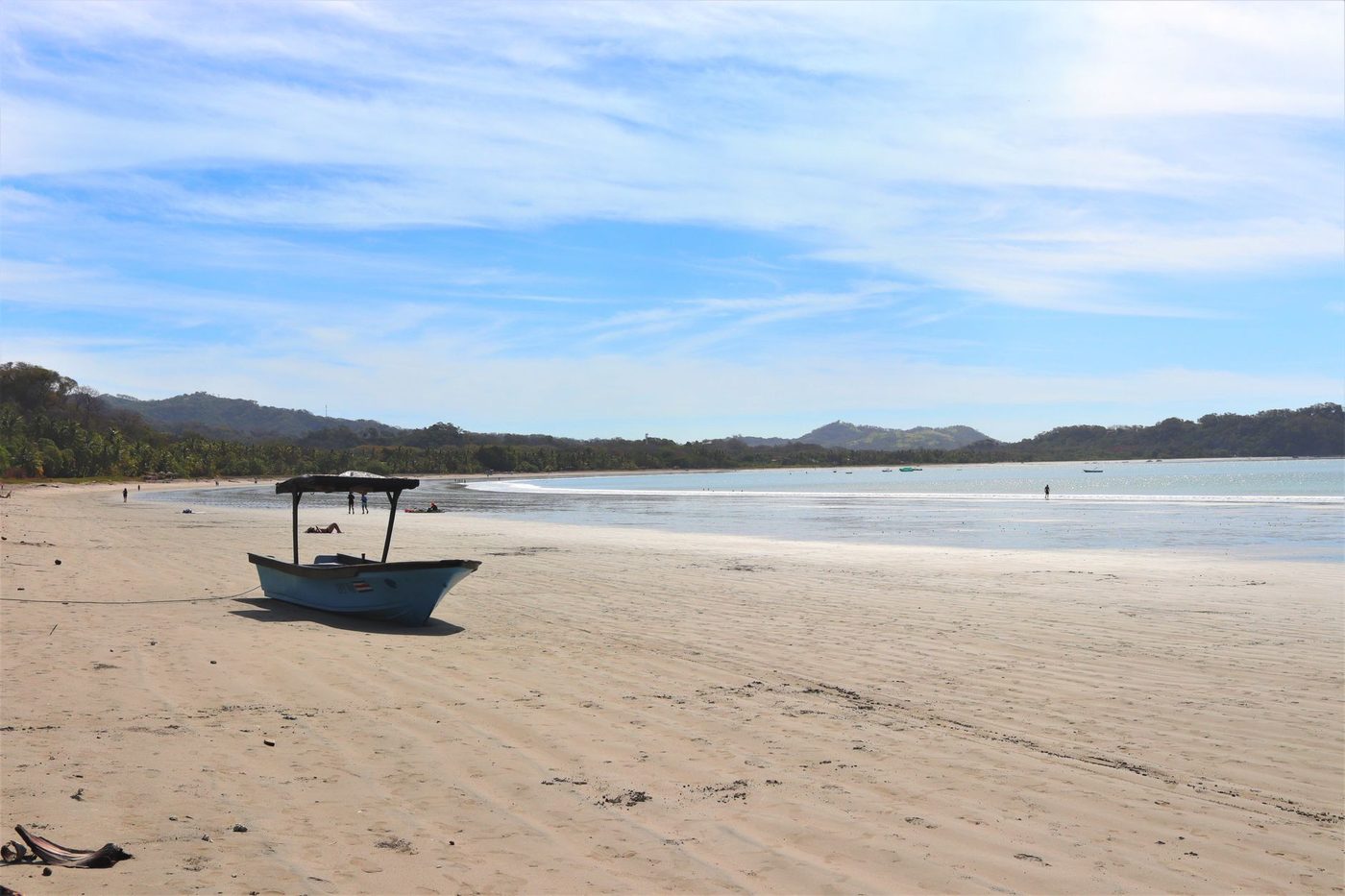
Expats discovered Playas del Coco in waves, not all at once. A handful of pioneers settled here in the 1970s and 1980s, the first real wave arrived after Liberia's airport went international in 1995, and the largest surge followed the first direct US flights in 2002. Today, expats in Playas del Coco are simply part of the town.
What was Playas del Coco before the expats came?
Coco is one of the oldest beach towns in Guanacaste. Long before anyone here said the word "expat," this was a working fishing village and a weekend beach for Costa Rican families. Ticos from Liberia and the surrounding cattle country came down the road to swim, eat fresh fish, and dance. That local character never left, and it is a big part of why the town still feels different from purpose-built resort communities. We wrote a fuller account in our post on the history of Playas del Coco, so here we will stick to one question: when did foreigners actually show up, and why?
Who came first? The 1970s set the stage
Costa Rica made an early bet on foreign retirees. The country passed its original pensionado law in 1971, offering residency to people with a steady pension, decades before retiring abroad became an industry. That program was written to attract foreign investment and retirees, and it worked, though most early arrivals settled in the Central Valley rather than at the beach. Guanacaste in the 1970s was cattle country with dirt roads, and Coco was its little port of call.
Two other things happened that decade that would matter enormously. The government began planning a major tourism development around Culebra Bay, just north of town, and the idea of an international airport for Guanacaste took shape during the administration of President Daniel Oduber Quiros (1974 to 1978), the man the airport is now named for. In 1979 the Legislative Assembly declared the Golfo de Papagayo project of public interest. Few people in Coco could have guessed what those two decisions would eventually do to their quiet fishing town.
The 1980s: cheap, quiet, and hard to reach
In the 1980s Costa Rica was dramatically cheaper than the United States, and word spread among adventurous retirees, surfers, and sport fishermen. A few of them found Coco. What they found was a village with panga boats on the sand and not much else. Getting here meant a long drive from San Jose on rough roads, so the foreigners who stayed were the ones who genuinely did not mind being far from everything.
On paper, big change was already written. Law 6758 of 1982 set the rules for the Golfo de Papagayo tourism development, a 1,658 hectare project around Culebra Bay administered by Costa Rica's tourism board. On the ground, Coco stayed a fishing town for another decade.
The 1990s: how one airport changed everything
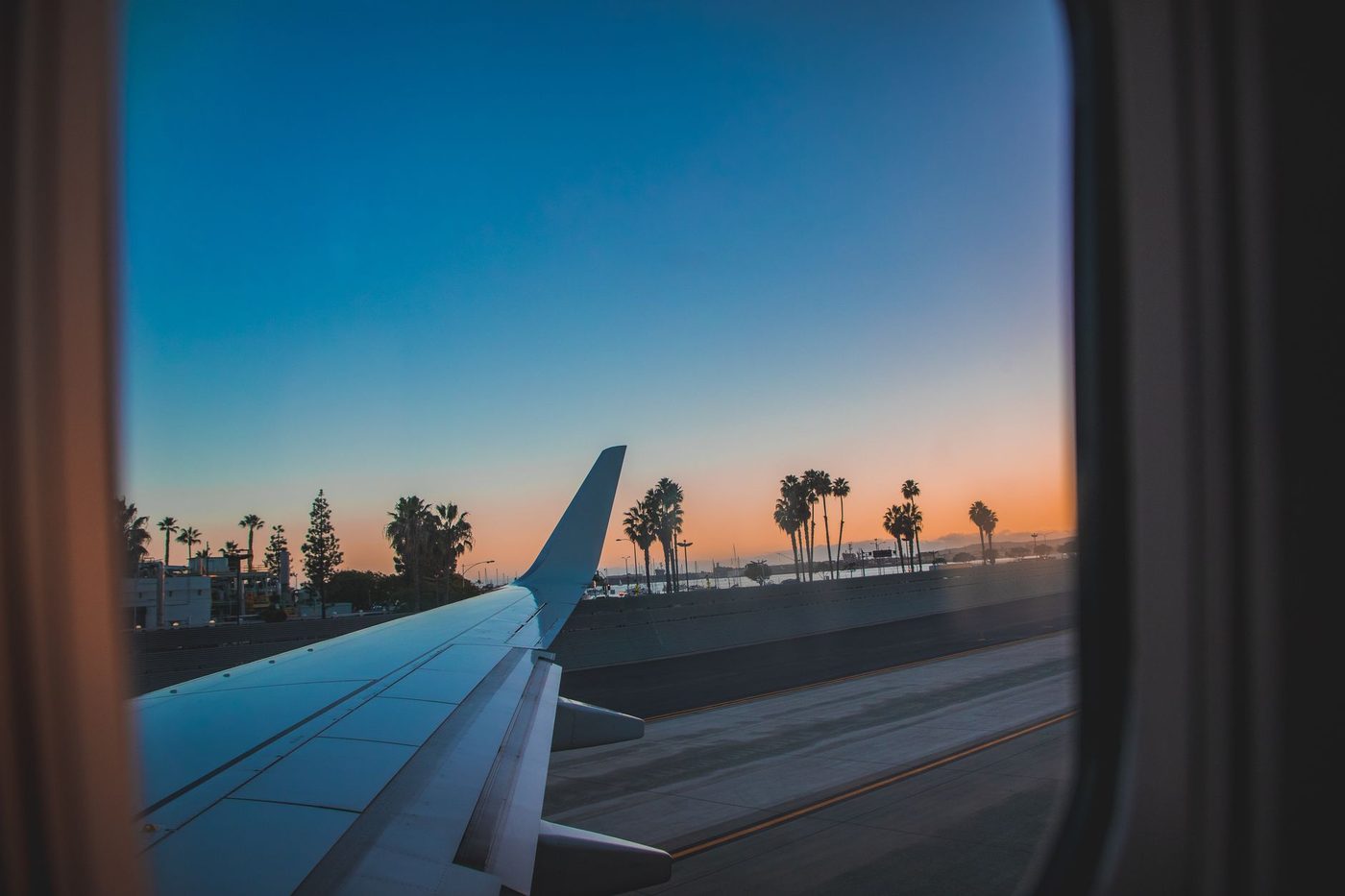
If you want a single date for when expats discovered Playas del Coco, October 1995 is the best candidate. That month the airport outside Liberia was upgraded to international status. The runway was redone, landing lights went in, and within about a year the airport went from one weekly charter flight to nearly one a day. Coco, a short drive from the runway, was suddenly one of the easiest beach towns in Costa Rica to reach from abroad.
The timing was good. Costa Rica's ecotourism reputation grew fast through the 1990s, and Guanacaste's dry climate and calm bays gave northern visitors an easy first taste of the country. Some of those visitors did the math on a lot near the beach, and the first true expat wave began. Prices were still low, and a small community of North Americans and Europeans put down roots.
The 2000s: direct flights and the first boom
The 2000s turned a trickle into a rush. In 2002 Delta became the first US airline with a permanent scheduled route into the Liberia airport, a milestone the airport celebrated 20 years later, noting that Delta alone carried more than 2.4 million passengers to Guanacaste over those two decades. Suddenly a buyer in Atlanta could reach Coco in a single travel day.
Then in January 2004 the Four Seasons opened on Peninsula Papagayo, a short drive north of town. The Papagayo plan from 1982 had finally produced its flagship resort, and it put this stretch of coast in glossy magazines worldwide. Condo projects broke ground across Coco and Ocotal through the mid 2000s, and several of today's best known communities date from that push. We cover this coastline in our expat guide to the Papagayo region.
The 2008 financial crisis hit pause. Some projects stalled, prices fell, and a few speculators went home. The expats who stayed were the ones who had come for the life, not the flip. In hindsight, that reset was healthy for the town.
The 2010s: a new terminal and steadier growth
On January 12, 2012, the Liberia airport opened a new 23,000 square meter terminal to replace the small original building, and a further expansion in 2017 made room for more airlines. Routes multiplied through the decade, and the typical newcomer changed too. The 2010s buyer was less often a speculator and more often a couple in their fifties or sixties who had visited several times, knew the difference between dry season and green season, and wanted a home they would actually use.
Coco grew up alongside them: better restaurants, more medical and dental options, bigger supermarkets, and a year-round community that no longer emptied out in September. The town stopped being a discovery and became a place where people simply live, something we describe in our post on living in El Coco.
The 2020s: remote work and the second discovery
The pandemic changed who could move abroad. When office work went remote, Costa Rica moved quickly. The digital nomad law was signed in August 2021 and applications opened in July 2022, offering legal stays to remote workers earning at least US$3,000 per month, or US$4,000 with dependents. Requirements and amounts can change, so confirm the current rules with a licensed immigration attorney before you plan around them.
The numbers tell the rest of the story. The Liberia airport handled just over 1.9 million passengers in 2024, up from about 1.65 million the year before, and Forbes estimated in 2024 that around 120,000 Americans live in Costa Rica. Nobody measures Coco's share precisely, but walk the main street in February and you will hear it. The town now has fiber internet, pickleball courts, and a working fishing fleet on the same beach. The second discovery, driven by laptops rather than pensions, is still underway.
What does this timeline mean if you are moving here now?
Be honest with yourself about where Coco sits on the curve. This is not an undiscovered fishing village, and anyone selling it that way is selling nostalgia. Prices reflect thirty years of steady arrivals, and high season is genuinely busy. What you get in exchange is real infrastructure: an international airport nearby, established communities with known title histories, a deep pool of tradespeople, and enough expats in Playas del Coco that you can find your people, whoever your people are.
We came here as expats ourselves and stayed to build a business. If you want to see what the current chapter of this story looks like, browse our current listings, read more about Playas del Coco, or send us a message. We are happy to tell you what the town is really like, whichever decade you first heard about it.
Ready to see what is on the market? Explore our homes, condos and lots in Playas del Coco, every one walked in person by our team.
Frequently asked questions
When did expats start moving to Playas del Coco?
A few foreign retirees and sport fishermen settled in Coco in the 1970s and 1980s, but the first significant wave arrived after the Liberia airport gained international status in October 1995. Growth accelerated after 2002, when Delta became the first US airline with a permanent route to Guanacaste, putting Coco within one flight of much of North America.
How many expats live in Playas del Coco today?
There is no official count at the town level. Forbes estimated in 2024 that around 120,000 Americans live in Costa Rica, and Coco holds one of the larger concentrations in Guanacaste, alongside many Canadians and Europeans. The community is big enough to support clubs, volunteer groups, and year-round social life, and it grows noticeably every high season.
Why did the Liberia airport matter so much for Playas del Coco?
Before 1995, reaching Coco meant flying into San Jose and driving across the country. Once the Liberia airport went international, and especially after direct US routes began in 2002, visitors could land in Guanacaste and be on Coco's beach the same day. Tourism grew from there, and the expat wave followed the flights almost exactly.
Cover photo: ismael jim, Pexels · Photo: Nathan Moore, Pexels