Why Costa Rica Is a Prime Destination for Real Estate Investment
A 2026 look at what actually makes Costa Rica worth buying into, and what to check before you do.
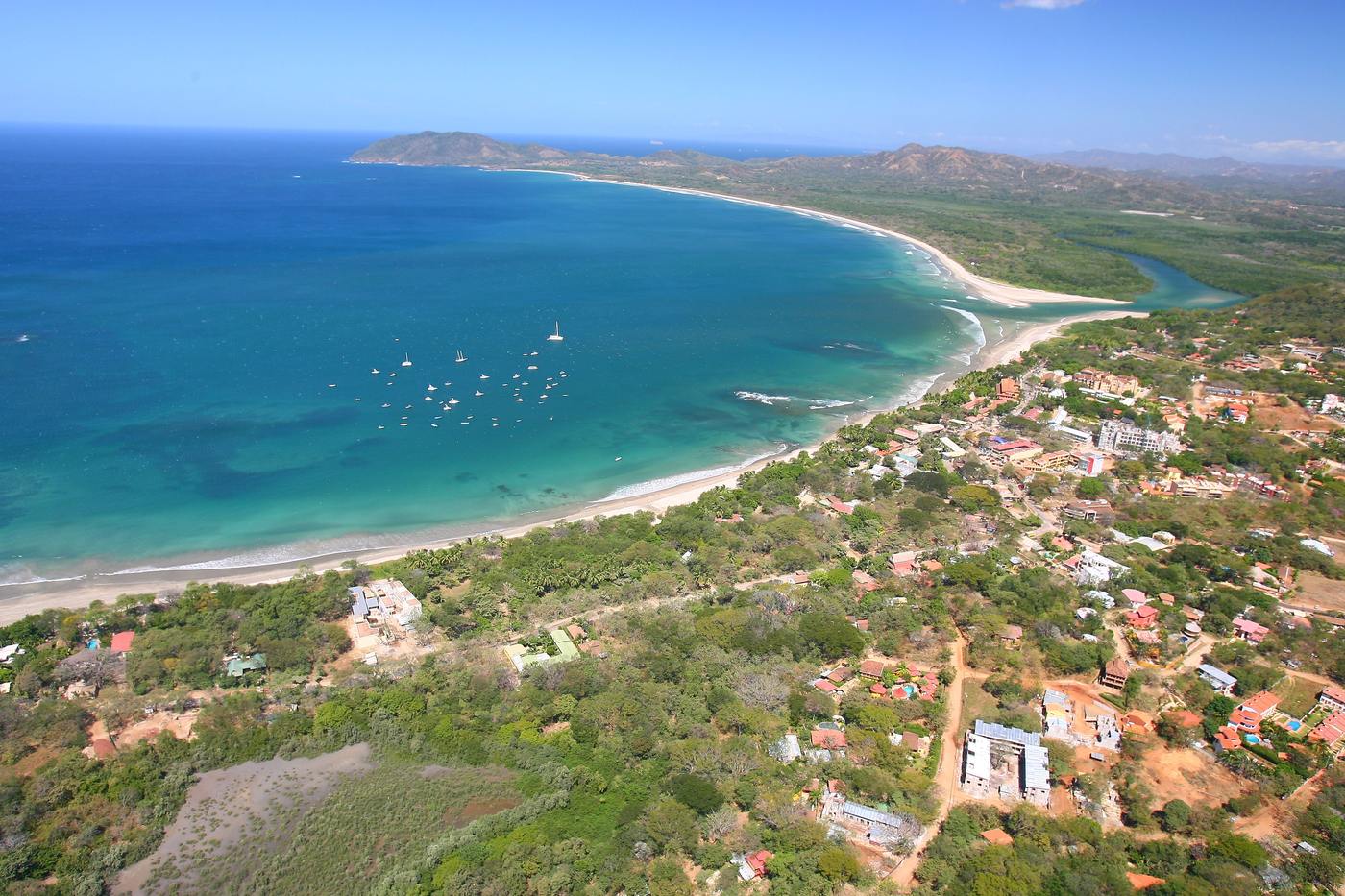
Costa Rica remains a prime destination for real estate investment in 2026 because it combines a stable democracy, full property ownership rights for foreigners, record tourism demand, and a low annual property tax of 0.25%. Buyers who verify title, budget about 3 to 3.5% in closing costs, and choose proven rental areas do well here.
We first published this post in 2024, and the case for a Costa Rica real estate investment has only gotten stronger since. We live and work in Playas del Coco, where we manage 60+ vacation rentals, so what follows is what we see on the ground, updated with current numbers and the honest caveats the glossy articles leave out.
Is Costa Rica really that stable?
It is the right first question, and the answer holds up. Costa Rica has held peaceful, democratic elections for more than seven decades and abolished its army in 1948, redirecting military spending toward education and healthcare. We wrote about that history in our post on Military Abolition Day. For a property buyer, the practical point is this: private property rights are written into the constitution, titles are recorded in a public National Registry, and courts enforce contracts for foreigners and citizens alike.
The honest caveat is speed. Government processes here move slowly. Permits, registrations, and utility hookups take longer than they would in the US or Canada. Stability in Costa Rica means predictability, not efficiency. Plan your timelines accordingly.
What does record tourism mean for property owners?
Tourism is the engine behind rental demand, and it is running hot again. Costa Rica received about 1.6 million visitors by air in the first half of 2026, up 7.8% from the same period in 2025, and the first quarter passed pre-pandemic 2019 levels for the first time, according to reporting on ICT arrival data. Guanacaste feels that growth directly, because the international airport in Liberia puts travelers on a beach within a short drive of landing.
For owners, demand shows up as bookings. In our own portfolio in Coco and Ocotal, high season dates fill up months ahead, while the deep green season (roughly September and October) takes sharper pricing to keep calendars moving. We would rather show you real booking data for a specific property than quote a made-up average, so ask us. You can see what we handle for owners on our property management page.
Can foreigners own property in Costa Rica outright?
Yes, for titled property. Foreign buyers hold the same fee simple ownership rights as Costa Rican citizens. You do not need residency, citizenship, or a local partner, and the taxes and fees at closing are the same for everyone. That is rare in Latin America and it is the single biggest reason international buyers feel comfortable here.
The main exception is the maritime zone, the strip of land closest to the high tide line, where most land is held under municipal concessions with real restrictions on foreign ownership. The difference matters enormously for beachfront listings, and we break it down in Concession vs. Titled Properties. Either way, an independent attorney should verify title before you sign anything. Here is why a good lawyer is essential.
What taxes and carrying costs should you budget for?
Costa Rica is inexpensive to hold compared with most North American markets. The annual property tax is 0.25% of the registered value, paid to the municipality. At purchase, there is a one-time transfer tax of 1.5% on the higher of the sale price or the registered fiscal value, and total closing costs typically land around 3 to 3.5% once registry stamps and notary fees are included, per this legal summary of Costa Rica's transfer tax.
Two more items to know. Homes with high construction values may owe the annual solidarity tax (often called the luxury home tax), a progressive levy from 0.25% to 0.55% above a threshold the tax authority adjusts each year. And rental income earned in Costa Rica is taxable in Costa Rica. Rates and thresholds change, so confirm current figures with a licensed Costa Rican attorney or accountant before you buy. We are not tax advisors, and nothing here is tax advice.
Does buying property help you get residency?
It can. Costa Rica's investor (inversionista) category under Law 9996 requires an investment of at least $150,000 US in qualifying assets, and real estate counts. One detail trips up a lot of buyers: to support a residency application, the property generally must be registered in your personal name, not in a corporation. Since many owners hold property in a corporation for other reasons, decide on your structure before closing, not after. Immigration rules and processing times shift, so work with a Costa Rican immigration attorney. Our overview of visas in Costa Rica is a good starting point.
What are the honest tradeoffs?
We win trust by telling you what Costa Rica is not, so here is the other side of the ledger.
- It is mostly a cash market. Bank mortgages for non-residents are limited and expensive. Most purchases are cash, sometimes with seller financing. If you need 80% leverage, this is not your market.
- Liquidity is slower. Properties can take longer to sell than in a US suburb. Buy at a fair price with a multi-year horizon, not as a quick flip.
- Seasonality is real. High season is strong, green season is quiet. A realistic annual projection includes both.
- The tropics eat deferred maintenance. Salt air, sun, and humidity are hard on finishes, appliances, and pools. Budget for upkeep or hire management that stays ahead of it.
- Due diligence is on you. Title checks, water availability letters, and zoning verification are not optional. Good professionals make this routine; skipping it makes it expensive.
None of these are reasons to avoid Costa Rica. They are reasons to buy carefully, with local help.
Where would we put our money in 2026?
We are biased, and we will own that: we chose Playas del Coco and Ocotal to live and work in. Coco is a real town, not a resort bubble. It has banks, clinics, supermarkets, a year-round community of Ticos and expats, and one of the most established vacation rental markets in Guanacaste, all close to the Liberia airport. The inventory runs from modest condos to ocean-view homes, so there is an entry point for most budgets. We compared it with the neighboring beach towns in this post, and if you are earlier in your research, start with the 11 most asked questions about Costa Rica real estate.
If you are weighing a Costa Rica real estate investment this year, browse our current listings, or send us a message through our contact page. We answer our own WhatsApp, and we will tell you plainly whether a property fits your goals, including when the answer is no.
Frequently asked questions
Can foreigners buy titled property in Costa Rica?
Yes. Foreigners have the same ownership rights as Costa Rican citizens for titled property, and you do not need residency to buy. Title is recorded in the public National Registry, where ownership can be verified. The main exception is maritime zone concession land near the beach, which carries restrictions. Always confirm title with an independent Costa Rican attorney before closing.
How much are property taxes in Costa Rica?
The annual property tax is 0.25% of the registered value, paid to the municipality. When you buy, expect a 1.5% transfer tax and total closing costs of roughly 3 to 3.5%. Homes with high construction values may also owe a progressive luxury tax of 0.25% to 0.55%. Confirm current rates and thresholds with a licensed attorney or accountant.
Does buying property in Costa Rica qualify me for residency?
It can support an investor (inversionista) residency application if you invest at least $150,000 US in qualifying assets under Law 9996, and real estate qualifies. The property generally must be registered in your personal name rather than a corporation. Requirements and processing times change, so consult a Costa Rican immigration attorney before structuring the purchase.
Cover photo: Tamarindowiki, CC BY-SA 3.0, via Wikimedia Commons · Photo: Erick Hidalgo, CC BY 3.0, via Wikimedia Commons