7 Rainy Day Plans in Guanacaste That Beat Staying Home
Green season showers rarely last all day, and these seven outings do not care about the weather.
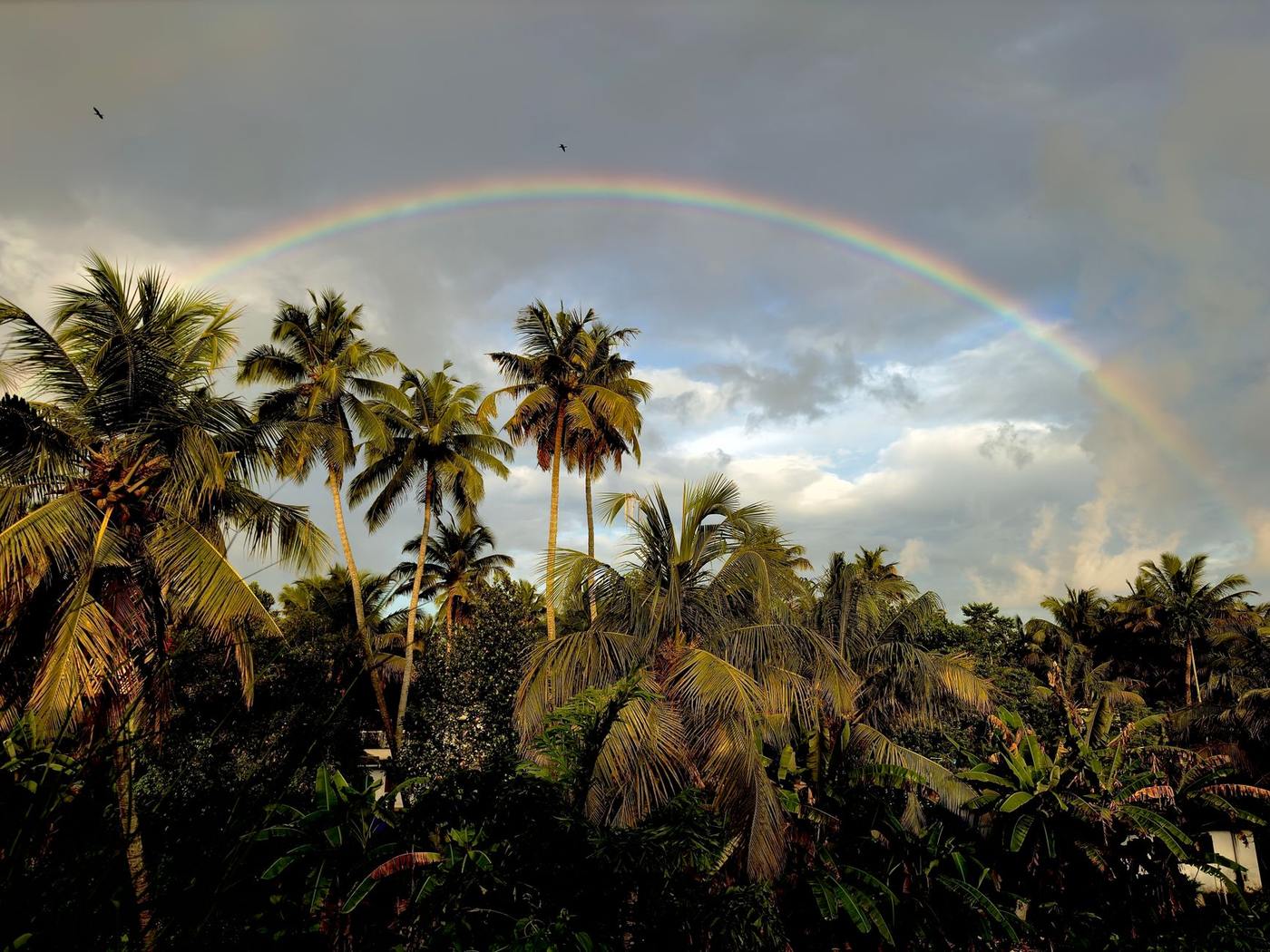
Rain in Guanacaste rarely wrecks a whole day. On a rainy day in Guanacaste you can soak in volcanic hot springs, tour the Museo de Guanacaste in Liberia, watch Chorotega potters at work in Guaitil, book a spa afternoon, go diving anyway, take a class, or claim a covered table and enjoy the storm.
First, some context, because "rainy season" scares people more than it should. Costa Rica's national weather institute, the IMN, calls our North Pacific region one of the driest parts of the country, and its data show the rain arriving in two blocks: roughly half of the annual total falls between May and August, and most of the rest from September through November. In our experience the typical green season day starts sunny, clouds build after lunch, and the rain arrives in the afternoon or evening. We wrote a full comparison in our post on what the dry season and green season are really like. So most rainy days here are really rainy half-days. When the clouds do win, here are seven plans that beat sitting at home.
1. Soak in the hot springs below Rincon de la Vieja
This is the classic answer to what to do in the rainy season in Costa Rica, and it works because you are getting wet either way. Rincon de la Vieja is the active volcano northeast of Liberia, and its national park is famous for fumaroles, boiling mud pots, and thermal water. Several lodges on the volcano's flanks pipe that water into soaking pools, and most sell day passes that include lunch. Sitting in a hot pool while a cool rain falls on your head is genuinely one of the best feelings Guanacaste offers. The drive from Playas del Coco takes over an hour, so leave in the morning, soak through the midday, and come home when the weather clears. Ask us for the spots we send our own guests to; we have soaked in most of them.
2. Spend a morning at the Museo de Guanacaste in Liberia
Liberia, the provincial capital, is a short drive inland and makes an easy rainy day trip. The Museo de Guanacaste occupies the former Comandancia de Plaza, one of the first military installations in Costa Rica, and the museum itself is a statement: Costa Rica abolished its army in 1948, and the space now shows work by local and national artists instead. It is not a huge museum, and we will be honest about that. You will not need all day. But paired with a walk around Liberia's old adobe houses, a proper lunch, and a stop at the supermarkets and shops the coast does not have, it fills a wet morning nicely. Check opening hours before you go, since they change with exhibitions.
3. Watch Chorotega potters work in Guaitil
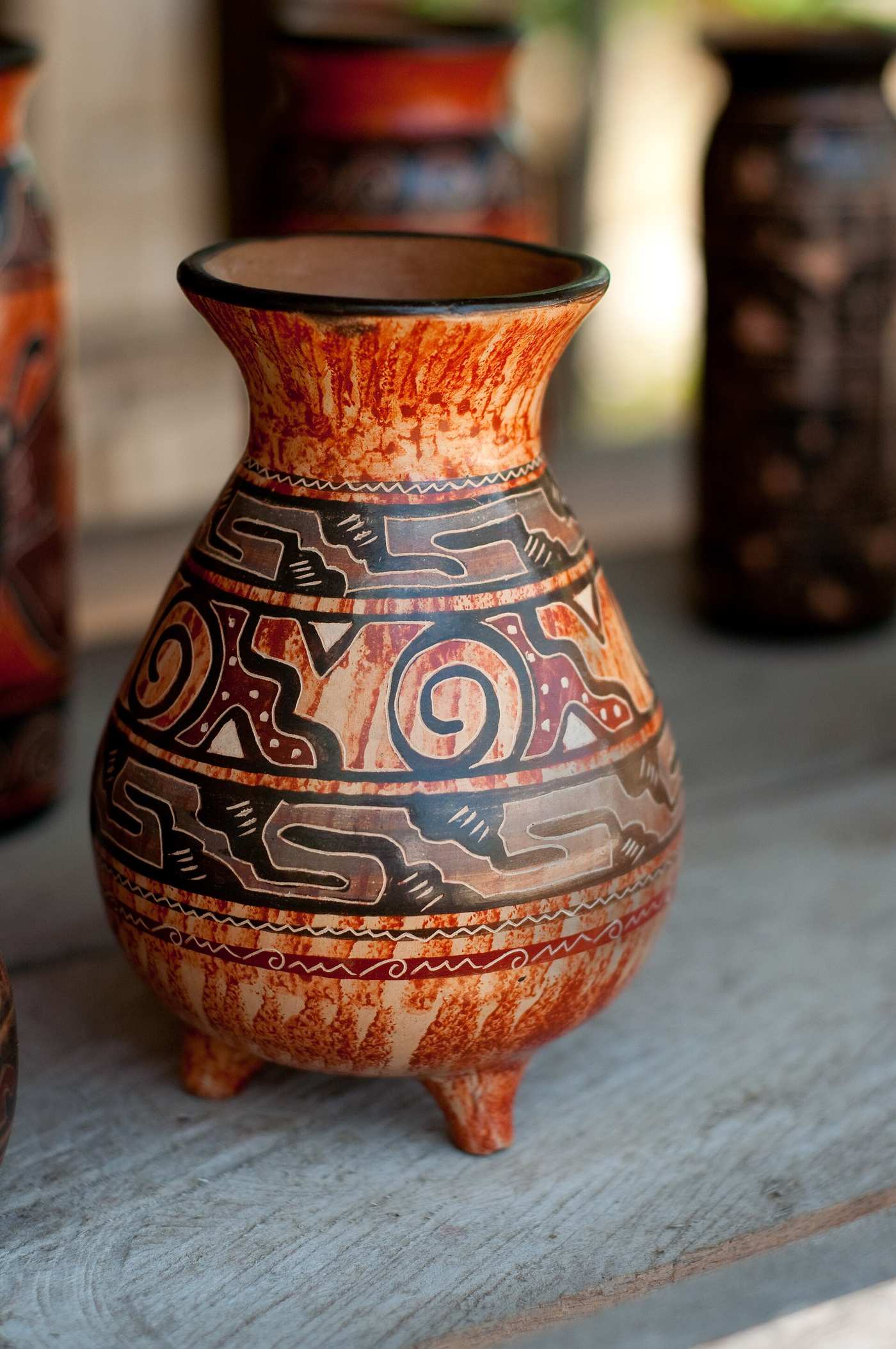
About an hour south, on the old route between Santa Cruz and Nicoya, the village of Guaitil keeps one of the oldest living traditions in Costa Rica. Families there still make pottery in the pre-Columbian Chorotega style, using local clays and the same techniques their ancestors used, finishing each piece in reds, creams, and blacks. Workshops sit right on the village plaza, the demonstrations happen under roofs, and you can try the wheel yourself. Prices are fair and a hand-thrown pot beats any airport souvenir. It is one of our favorite culture stops in the province, rain or shine, and it pairs well with lunch in Santa Cruz on the way back.
4. Book the spa afternoon you keep postponing
Coco and the resorts around it have more massage tables per square mile than almost anywhere in Costa Rica, and a storm is the perfect excuse to finally use one. Hotel spas in and around Playas del Coco, Ocotal, and the Papagayo resorts take outside bookings, and independent therapists in town will come to your rental villa or condo. A couples massage while rain hammers the roof is a green season memory guests mention to us again and again. If you are staying in one of the vacation rentals we manage, ask our team and we will connect you with therapists we trust.
5. Go diving anyway
Here is the secret divers already know: rain does not matter underwater. Playas del Coco is one of the main dive hubs on this coast, boats go out in the green season all the time, and the ocean is often calmer in the morning before the weather builds. You will see rays, eels, big schools of fish, and if you are lucky the bull sharks that made this coast famous among divers. Visibility varies day to day in any season, so ask the shop what the boats saw yesterday. Not certified? Rainy days are also a fine time to start a pool session for a certification course. For a preview of what lives out there, see our post on the wildlife of Guanacaste.
6. Take a cooking class or a Spanish lesson
A wet afternoon is the best time to learn something you will actually use here. Cooking classes built around Costa Rican staples (think gallo pinto, ceviche, and patacones) run in and around Coco, and private chefs will teach a class right in your rental kitchen. Spanish teachers in town offer one-on-one lessons for travelers and new residents, and even two hours of survival Spanish changes how the rest of your trip feels. We keep a current list of teachers and chefs our owners and guests have used, so send us a message and we will share names rather than have you gamble on a search result.
7. Claim a covered table and watch the storm roll in
Some of our best green season evenings involved no plan at all. The restaurants along Coco's main street and beachfront almost all have deep covered terraces built for exactly this. Order a coffee or a cold Imperial, watch the lightning out over the bay, and let the rain do the entertainment. Storms here tend to be loud, dramatic, and short, and the air afterward smells like wet earth and blooming trees. This is the evening when you understand why locals call it the green season instead of the rainy season. Bring a light rain jacket for the walk home; our Costa Rica packing list covers the rest.
Is the green season actually a good time to be here?
We think it is the most underrated stretch of the year. The hills turn green, the crowds thin out, and nightly rates on vacation rentals drop well below high season levels. Costa Rica's tourism board pegs the green season at roughly May through mid-December, and our post on the best time to visit Costa Rica breaks down month by month what to expect. If you want to test it yourself, browse the rentals we manage in Coco and Ocotal, or send us a message and we will point you to the right place for a rainy week done well.
Frequently asked questions
Does it rain all day during the green season in Guanacaste?
Usually not. Guanacaste is one of Costa Rica's driest regions, and in our experience most green season days start sunny, with rain arriving in the afternoon or evening. September and October bring the heaviest, longest rains. Mornings are almost always usable, so plan outdoor activities early and keep indoor options for later in the day.
What months are the rainy season in Guanacaste, Costa Rica?
Costa Rica's national weather institute reports that the North Pacific region gets about half its annual rain from May through August and most of the rest from September through November. December through March is the dry season, with only around 4 percent of the year's rain. Locally, the wettest weeks usually land in September and October.
Is Playas del Coco worth visiting in the rainy season?
Yes, if you like smaller crowds and lower prices. The landscape turns green, sunsets are often better because of the clouds, and rental rates drop below high season levels. Boats still run dive and fishing trips most mornings. The tradeoff is that some afternoons get washed out, so build flexibility into your plans.
Cover photo: Mabel, Pexels · Photo: Bryan Guzman, CC BY 2.0, via Wikimedia Commons