Living in Playas del Coco: A Complete 2026 Guide
What daily life in this Guanacaste beach town really looks like, from a team that lives here year round.
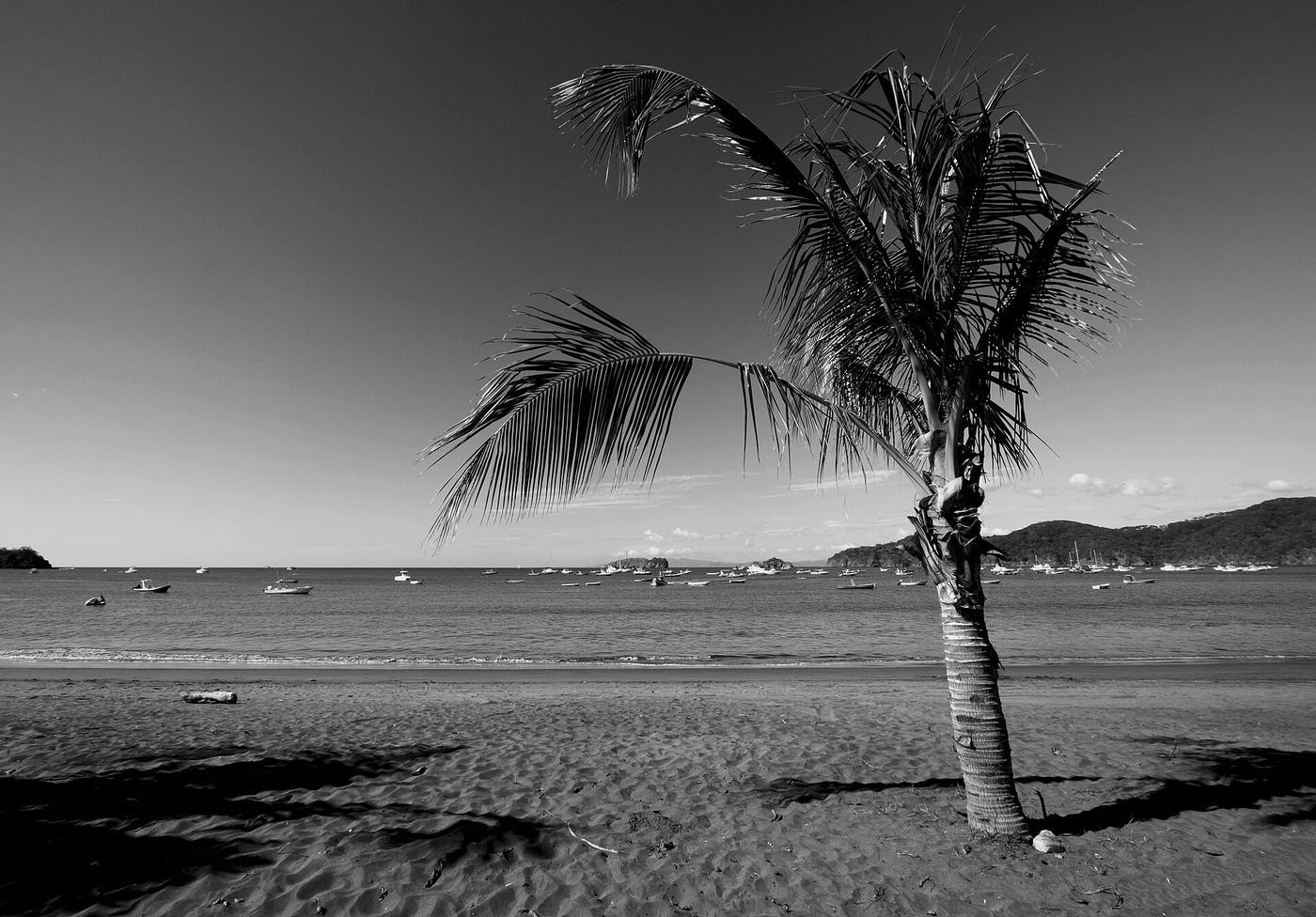
Living in Playas del Coco means a walkable Guanacaste beach town about 30 minutes from an international airport, dry sunny weather from December through March, an established expat community, and real infrastructure: banks, clinics, supermarkets, and reliable internet. It is a working town on a calm bay, not a resort bubble, and that is exactly its appeal.
Why do so many expats choose Playas del Coco?
Coco is one of the oldest beach towns in Guanacaste, and it grew up as a Costa Rican town first and a tourist stop second. That history still shapes daily life. There is a church and a plaza, a working fishing fleet on the bay, and Tico families who have lived here for generations alongside the newcomers. If you want the longer story, we wrote about the history of Playas del Coco.
For people moving here, the practical draws are simple. The town has services that most Costa Rican beach towns lack: several supermarkets, banks, pharmacies, medical and dental clinics, hardware stores, veterinarians, and dozens of restaurants. The expat community is large and established, so newcomers find pickleball games, volunteer groups, and friends quickly. And Coco functions year round, not just in high season. We compared it with its neighbors in what makes Coco different from other Guanacaste beach towns.
What is the weather like year round?
Guanacaste is the driest region of Costa Rica. According to the Costa Rica Tourism Board, the dry period runs from December to March, when only about 4 percent of the year's rain falls. May through August brings roughly half of the annual rainfall, and a second rainy stretch runs from September to November. In practice, a green season day here usually means a sunny morning, an afternoon shower, and green hills. Long grey weeks are rare on this coast.
Expect heat all year. Most homes run air conditioning in the bedrooms at minimum, and that is usually the biggest line on the electric bill. We tell buyers this up front because it surprises people more than any other cost.
How do you get here, and do you need a car?
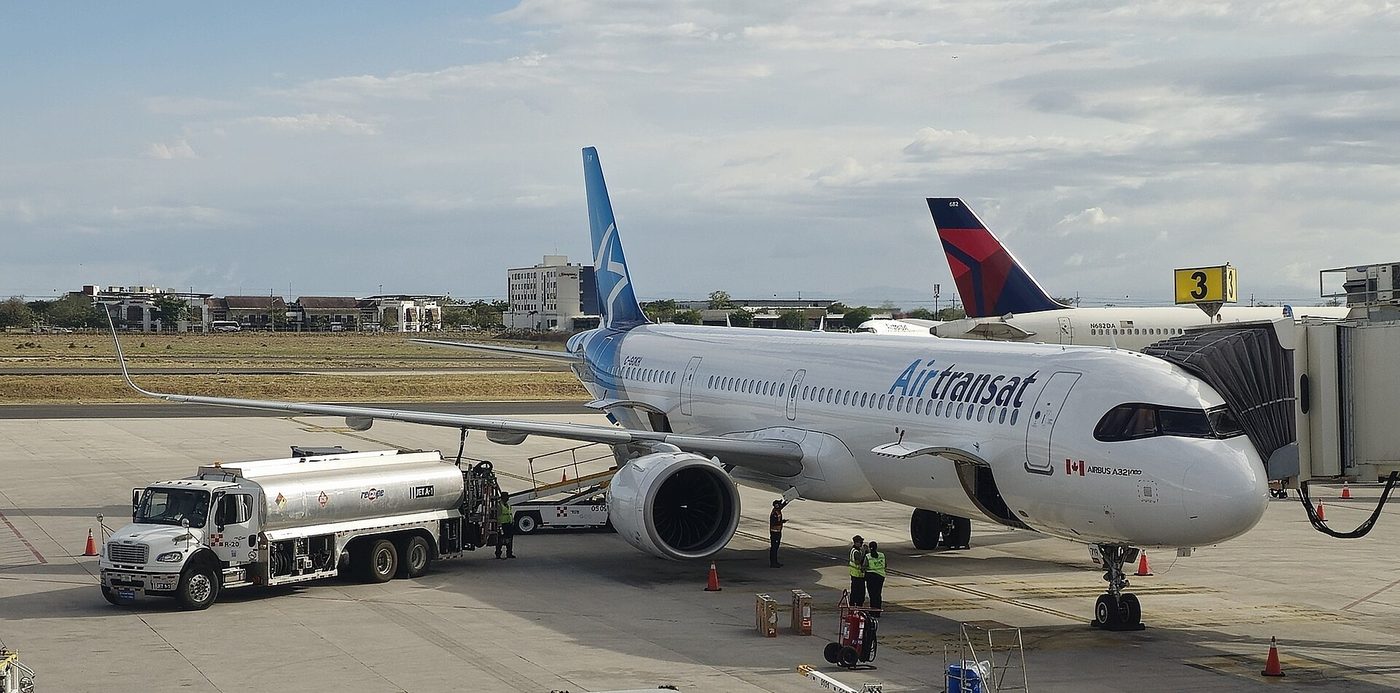
Playas del Coco sits about 23 kilometers from Guanacaste Airport (LIR) outside Liberia, roughly a 30 minute drive on paved roads. That one fact changes what living in Playas del Coco feels like. You can land on a direct flight from the United States or Canada and be home before dinner, and family visits actually happen because getting here is easy.
In town, no car is required. Downtown Coco is flat and compact, so plenty of residents walk to the beach, the bank, the feria, and dinner. Most homeowners still keep a vehicle for big grocery runs, trips to nearby beaches like Ocotal and Hermosa, and day trips into the mountains. If you live outside the center, in the hills or in Ocotal, you will want one.
Where do people actually live in Coco?
The town breaks into a handful of distinct areas, each with its own personality and price range:
- Downtown and the beachfront. Older homes and small condo buildings where you can walk to everything. Livelier, and sometimes noisier, especially in high season.
- Las Palmas. A large gated condo community a few minutes from the beach, popular with snowbirds and rental investors. We profiled it in our Las Palmas guide.
- Pacifico. Coco's biggest master-planned community, with pools, restaurants, and a private beach club. Condos, townhomes, and single family houses.
- Coco Bay Estates and the hillsides. Homes above the bay with ocean views and breezes, a short drive from town.
- Ocotal. A quiet cove about five minutes south of Coco, with condos and view homes above a calm, dark-sand beach. We manage many rentals here.
Prices range from modest one bedroom condos to large ocean-view estates. You can browse current homes and condos for sale or start with our Playas del Coco area page.
What about healthcare?
Day to day needs are covered in town: private clinics, pharmacies, dentists, and labs operate right in Coco. For hospital care, Liberia is the hub. Hospital Enrique Baltodano Briceno is the public hospital there, and Hospital San Rafael Arcangel is a private hospital offering emergency care, surgery, and a wide range of specialties, with English-speaking staff. Many residents use the private system for speed and the public system as a backstop.
Legal residents join the Caja, Costa Rica's public health system, and many expats carry private insurance on top of it. Coverage rules and costs change, so confirm the details with an insurance broker or attorney before you rely on them.
What does it cost to live here?
It depends more on your habits than on the town. Eating at local sodas, shopping the feria, and living without constant air conditioning keeps costs modest. Imported groceries, imported cars, and a chilled four bedroom house push costs toward what you would pay in many US cities. Electricity is the utility that surprises people, and anything imported carries duties.
We would rather give you current, real numbers for the exact home and lifestyle you have in mind than publish averages that go stale. For the national picture, start with our guide to the cost of living in Costa Rica, then ask us what our owners actually pay here.
Can you live in Coco without residency?
Many people start exactly that way. Since September 8, 2023, visitors from visa-exempt countries, including the United States and Canada, can receive up to 180 days per entry as tourists, at the discretion of the immigration officer, as the law firm Lexincorp explains. We covered the change in our post on the 180 day tourist stay.
For a permanent move, most of our buyers pursue residency as pensionados (retirees with pension income), rentistas (proven stable income), or inversionistas (investors). Requirements and financial thresholds change, so confirm current rules with a licensed immigration attorney before you plan around them. If retirement is the goal, our guide to retiring in Costa Rica is a good starting point.
What is Playas del Coco not?
We win trust by being straight, so here it is. Coco is not a surf town; the bay is calm, which is great for boats and swimming, and surfers drive south toward Tamarindo. It is not green year round; by March the hills turn brown and dusty until the rains return. It is not silent; downtown has bars, and high season brings crowds and traffic. And it is not dirt cheap; this is one of Guanacaste's most developed coastal towns, and prices reflect that. If those tradeoffs bother you, we will tell you honestly and point you somewhere quieter.
Ready to try living in Playas del Coco?
Our standard advice: rent here for a season before you buy. Spend a dry season month and a green season month, walk the neighborhoods, and see which version of Coco fits you. Browse our vacation rentals to test-drive the town, look at current listings, or send us a message. We live here, we manage 60+ rentals in Coco and Ocotal, and we give straight answers.
Ready to see what is on the market? Explore our homes, condos and lots in Playas del Coco, every one walked in person by our team.
Frequently asked questions
Is Playas del Coco a good place to live?
For many expats, yes. It offers a walkable town center, supermarkets, banks, clinics, an established expat community, and a 30 minute drive to Guanacaste Airport (LIR). The tradeoffs are real heat, brown dry-season hills, and high season crowds. We suggest renting for a season before buying to see if it fits you.
How far is Playas del Coco from Liberia airport?
About 23 kilometers, which works out to roughly a 30 minute drive on paved roads from Guanacaste Airport (LIR). The airport has direct flights from several US and Canadian cities, so residents can reach home quickly and visiting family can skip the long transfer that many other Costa Rican beach towns require.
Can you live in Playas del Coco without residency?
Many people start that way. Since September 2023, visitors from visa-exempt countries such as the US and Canada can receive up to 180 days per entry, at the immigration officer's discretion. Long term, most expats pursue pensionado, rentista, or inversionista residency. Confirm current requirements with a licensed immigration attorney.
Cover photo: Vlad Podvorny, CC BY 2.0, via Wikimedia Commons · Photo: Andrés Benavente, CC BY-SA 4.0, via Wikimedia Commons