Playas del Coco: Past and Present
How a quiet Guanacaste fishing bay grew into one of Costa Rica's most livable beach towns.
The history of Playas del Coco runs from Chorotega fishing grounds, through centuries as the coast of a cattle province, to a working fishing bay loved by Costa Rican families, then to the most accessible expat beach town in Guanacaste. The turning points: annexation in 1824, Papagayo tourism laws in 1979 and 1982, and international flights into Liberia from 1995.
Who lived on this coast first?
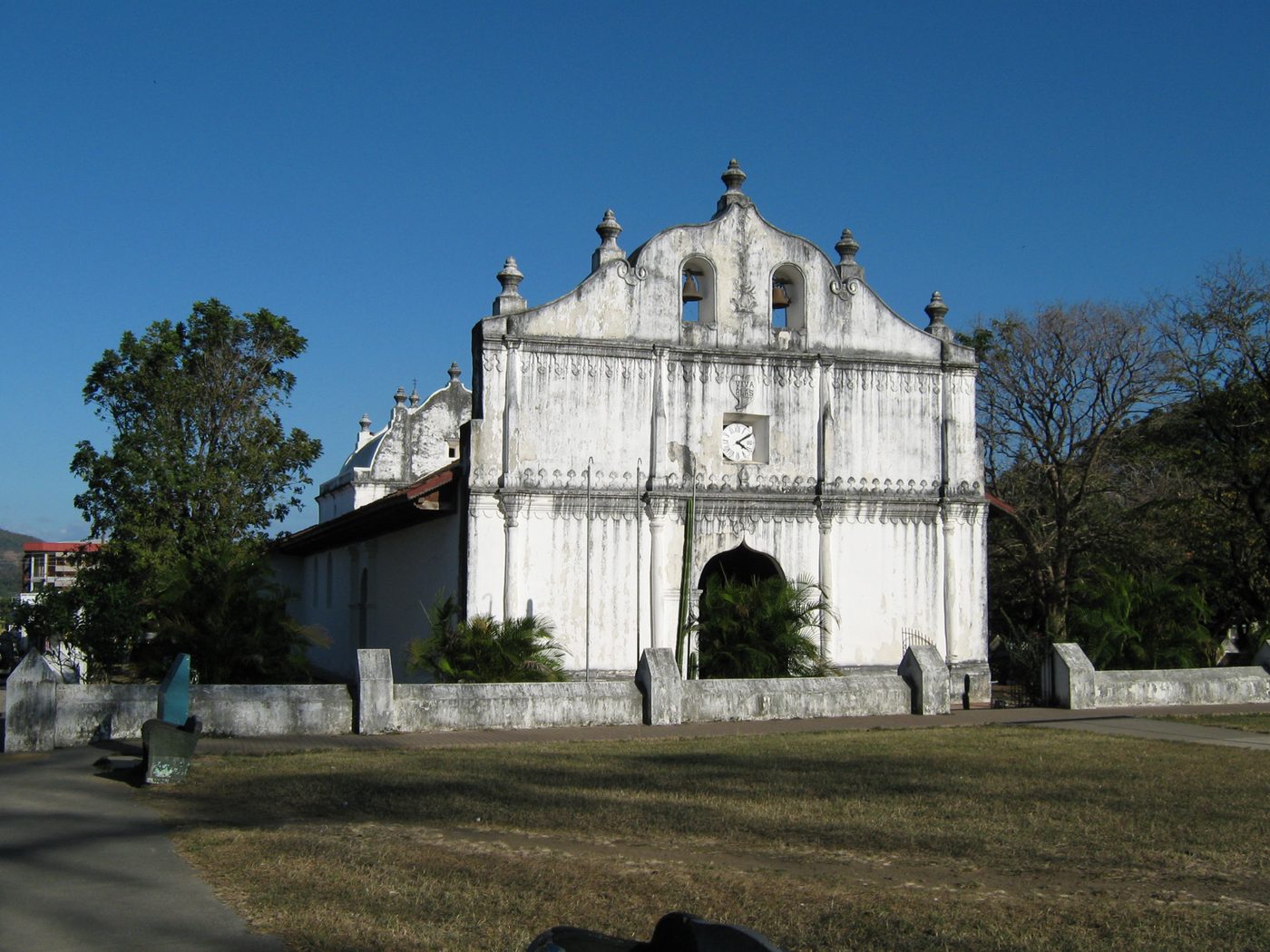
Long before anyone wrote the words "El Coco," the Nicoya peninsula and the Papagayo coastline belonged to the Chorotega, one of the most developed indigenous cultures in what is now Costa Rica. They farmed corn, worked pottery that museums still display, and fished these same bays. The Spanish arrived in the early 1500s and founded Nicoya in 1523, which makes it one of the oldest colonial towns in the country. Its whitewashed church of San Blas still stands, and it is worth the drive south just to see how far back settlement in this province goes.
Under Spanish rule and for a long time after, Guanacaste was cattle country. The wealth, such as it was, sat inland on the haciendas. The coast was where you fished, hauled out a boat, or moved goods. Nobody was building anything ambitious on the sand at Coco. That would take another four centuries.
How did Guanacaste become part of Costa Rica?
Here is the fact that surprises most visitors: this province chose Costa Rica. On July 25, 1824, an open town meeting in Nicoya voted to join Costa Rica rather than Nicaragua, with roughly 77 percent in favor. Santa Cruz followed three days later. The town of Guanacaste, today's Liberia, initially preferred Nicaragua and came around later. The province still celebrates the date every year, and we wrote about how Guanacaste Day is celebrated if you want the modern version with topes and marimba.
The administrative map filled in over the following decades. The canton of Carrillo, which Playas del Coco belongs to, was created on June 16, 1877 by decree, with Filadelfia as its seat, according to the Municipality of Carrillo. Coco sits in Carrillo's Sardinal district, alongside Ocotal, Playa Hermosa, and the town of Sardinal itself. Those names come up constantly in property paperwork here, so the 19th century map still matters at a closing table in 2026.
When did Coco become a fishing town?
Through the first half of the 20th century, Playas del Coco grew as a small landing and fishing community serving the inland towns. Families from Sardinal and Filadelfia kept boats here, and the bay's shape made it a natural anchorage: protected, calm, with a wide flat beach for pulling up pangas. There is no founding date to point to, and we will not invent one. Local memory describes a village of fishing families, a few sodas, and dirt streets that filled with inland visitors during Semana Santa and the December holidays.
By mid-century, Coco had become the weekend beach for this corner of Guanacaste, one of the first beaches in the province you could reach by road without drama. That heritage is why the town center still feels Costa Rican in a way some newer beach developments do not. We covered the town's early story in more depth in our post on the history of Playas del Coco.
What did the Papagayo Project change?
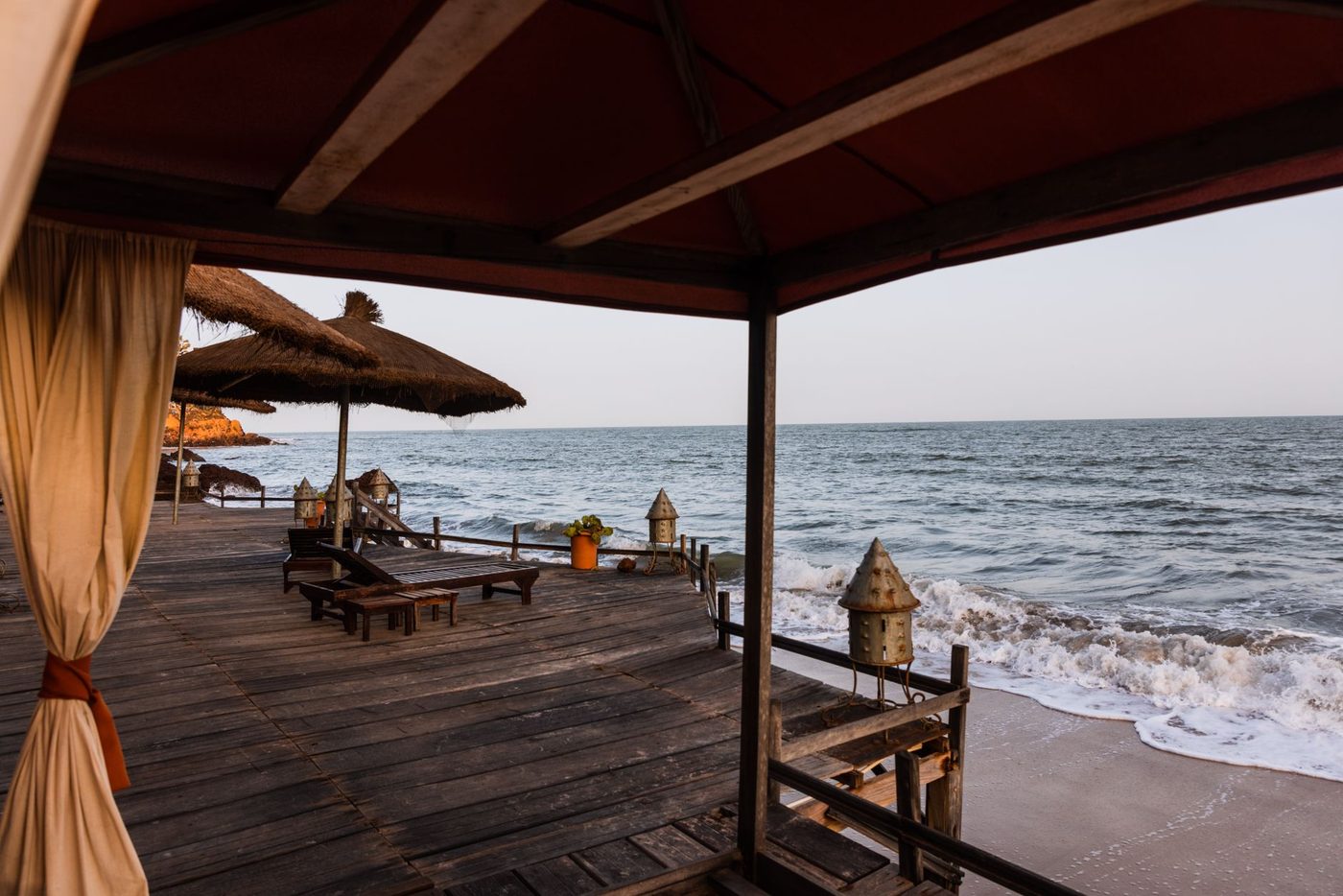
The modern era has a paper trail. In 1979, Costa Rica's legislature declared the Gulf of Papagayo tourism development to be of public interest, and Law 6758 of 1982 created the special regime that still governs it. The project put 1,658 hectares around Bahia Culebra, just north of Coco, under the administration of the Costa Rican Tourism Board, which grants concessions to hotel and resort developers there to this day, as described by the ICT.
The project moved slowly for its first two decades, but it pointed the country's tourism ambitions straight at this coastline. The real turning point arrived in October 1995, when the Daniel Oduber Quiros airport in Liberia was re-inaugurated as an international airport. Suddenly a traveler from Houston or Toronto could land 35 minutes from Coco instead of driving most of a day from San Jose. Charter flights multiplied within a year, scheduled carriers followed, and the 1990s brought the first real wave of international visitors and foreign-born residents to town.
What does Playas del Coco look like today?
The census numbers tell the growth story in plain terms. Carrillo canton counted 37,122 residents at the 2011 national census, with 14,912 of them in the Sardinal district that includes Coco and Ocotal. By 2022, INEC population estimates put the canton at just over 48,000. Walk the town and you see what those numbers mean: supermarkets, banks, clinics, a landscaped beachfront boardwalk added in the early 2010s, and restaurants that run from a two-dollar empanada to a proper tasting menu.
Coco is now the commercial hub for the northern Guanacaste beach communities. It sits about 32 kilometers from Liberia, close enough that a hospital, a Price Smart run, or an international flight is a half-hour errand rather than an expedition. That combination of real-town services and airport proximity is the core of why buyers pick Coco, and it is a big part of what makes Playas del Coco different from other Guanacaste beach towns.
What has stayed the same?
More than you might expect. The pangas still ride at anchor in the bay, and local captains still land their catch on the same beach where fishing families hauled boats a century ago. The plaza, the church, and the school anchor a town center that is genuinely Tico, not a purpose-built resort strip. The feria still sets up, the tope still takes over the main street, and Semana Santa still fills the beach with Costa Rican families, exactly as it did generations ago.
Honesty requires the other side too. Coco's beach is gray volcanic sand, not white powder. The landscape turns brown and dusty by March in the dry season. There is no surf to speak of; surfers drive south. If you want a postcard beach with nothing around it, this is not your town. If you want a real community with history under its feet, it very much is. Our guide to living in El Coco gets into the day-to-day.
Why does the past matter if you are buying here?
Because the town's history explains its market. The fishing-village core means a walkable center with character. The Papagayo regime next door means large-scale resort investment keeps flowing into the area. The 1995 airport decision means demand arrives year after year on direct flights. A town that grew in layers, Tico first and international second, tends to hold its appeal better than places built in a single speculative wave.
We are Expat Properties | CR. We live in Coco, we manage 60+ vacation rentals in Coco and Ocotal, and we have watched this town's newest chapter get written in real time. If the past and present here make you curious about your own future in town, browse our current listings or send us a message. We are happy to talk history, and happier to walk you down the boardwalk.
Thinking about owning here? Start with our Playas del Coco listings and ask us anything the photos do not show.
Frequently asked questions
Was Playas del Coco really a fishing village?
Yes, and it still works as one. Coco grew through the early 1900s as a fishing landing and anchorage for families from Sardinal and Filadelfia, then became the weekend beach for inland Guanacaste. Pangas still ride at anchor in the bay today, and local captains still land and sell their catch right on the beach.
When did tourism take off in Playas del Coco?
The legal groundwork came first: Costa Rica declared the Gulf of Papagayo tourism development of public interest in 1979 and created its special regime with Law 6758 in 1982. The practical trigger was October 1995, when Liberia's airport was re-inaugurated as an international airport. Visitor numbers and foreign residents grew quickly through the late 1990s and 2000s.
How many people live in Playas del Coco today?
There is no official standalone count for the town itself. At the 2011 national census, the Sardinal district that contains Coco and Ocotal had 14,912 residents, and INEC estimates put the wider Carrillo canton at just over 48,000 by 2022. The population swells well beyond that in high season, when visitors and part-time residents arrive.
Cover photo: Arnaldo Rodríguez Espinoza, CC BY-SA 4.0, via Wikimedia Commons · Photo: K, Pexels